Affordable SEO Packages: Pricing & Plans 2025 | Sparltech
Answer: Affordable SEO packages are tiered service bundles offered by agencies or freelancers that combine baseline technical, on-page, and off-page SEO tasks at price points designed for small businesses or budget-conscious projects, enabling predictable costs and measurable progress toward search visibility.
Last Updated: December 22, 2025. This guide provides a practical decision framework for US-based buyers seeking cost-efficient SEO packages. It covers definitions, deliverables, pricing, evaluation criteria, sample packages, legal terms, case studies, and a step-by-step getting-started plan. The goal is to help you choose a provider you can trust and that delivers measurable ROI.
Affordable SEO packages represent a spectrum of service bundles that balance scope, speed, and cost. The approach emphasizes clear deliverables, transparent reporting, and scalable outcomes. Buyers should understand what is included at each price point, how results are measured, and which components drive the strongest long-term impact.
In this article, you will find practical definitions, a structured pricing framework, a comparison table, ready-to-use package templates, two real-world case studies, and a concrete getting-started plan. The content is designed to support a data-driven decision, minimize guesswork, and reduce the risk of budget waste.
Definition
Affordable SEO packages are defined as tiered service bundles that provide core technical, on-page, and off-page SEO tasks at monthly price points designed for budget-conscious projects. Deliverables are clearly listed, time-to-results are estimated, and reporting cadence is established. The pricing structure typically includes a recurring monthly retainer with optional one-time fees for audits or setup tasks.
- Baseline technical work: site health checks, crawlability fixes, and indexing optimization.
- On-page optimization: meta data updates, header tag structuring, and page-level relevance improvements.
- Local SEO components: local citations, Google Business Profile optimization, andNAP consistency checks.
- Content edits and creation: blog or service-page updates within the package scope.
- Link-building activity: limited, outcomes-focused outreach with quality guidance.
- Reporting: monthly performance dashboards and actionable recommendations.
Key attributes to track include price tier, deliverables, time-to-results, reporting frequency, and contract length. Packages range from entry-level micro plans to growth-oriented programs, each designed to be scalable within a budget and aligned with business goals.
What affordable packages include
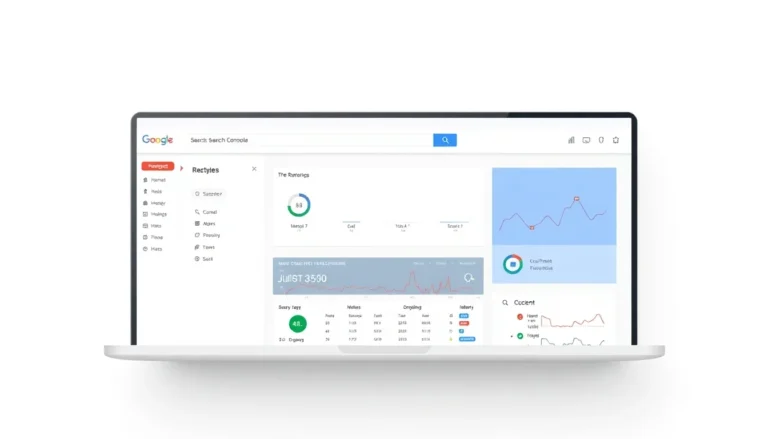
Affordable packages consolidate essential SEO work into a structured plan. Core elements typically encompass a one-time technical audit, ongoing on-page optimization, local SEO activities, content updates, limited link outreach, and regular reporting. Tools commonly used include Google Search Console (GSC), Google Analytics 4 (GA4), Ahrefs or SEMrush, and Screaming Frog. These tools provide visibility into site health, keyword performance, and content gaps.

Deliverables move the needle most quickly when prioritizing technical fixes, content relevance, and local citations. A practical rule is to address critical technical issues first, then improve content alignment with user intent, followed by local signals for nearby searches. The infographic below outlines the typical flow of deliverables by tier.
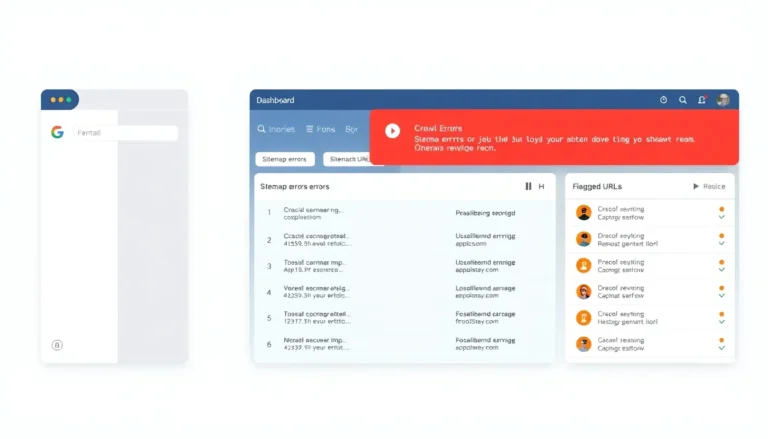
- Technical audit (one-time or initial setup): site health, canonical issues, crawl errors, and indexing status.
- On-page optimization: title tags, meta descriptions, header hierarchy, and internal linking improvements.
- Local citations and GBP optimization: consistency of business name, address, and phone number.
- Content updates: 4–8 edits per month focusing on relevance, readability, and intent mapping.
- Limited link outreach: outreach attempts with a focus on quality and relevance.
- Reporting: monthly dashboards with high-level insights and next steps.
In practice, local-focused packages often emphasize GBP optimization and local citations, while national or e-commerce programs broaden keyword targets and content creation. Transparent reporting and clear ownership of content and links are hallmarks of trustworthy providers.
Pricing tiers and sample numbers
This section presents a practical cost guide with representative monthly prices for the US market. The tiers reflect typical deliverables, time-to-results, and scope. Prices shown are illustrative and reflect typical market ranges; actual quotes vary by provider, geography, and project scope.
Micro plan: $99.99–$299.00/month. Delivers a focused set of tasks with limited content and basic reporting. One-time audits are typically inexpensive or bundled as setup fees. Ideal for very small sites seeking quick wins and a test of agency compatibility. For related guidance, see White Hat Seo Services.
Budget plan: $299.00/month. Includes a full technical audit (one-time setup fee often around $299.00), 4 on-page edits per month, 2 blog posts (500–700 words each), and monthly reporting. Suitable for small local businesses aiming for steady growth.
Standard plan: $899.00/month. Adds a comprehensive audit included in the retainer, 8 content tasks per month, limited link outreach (3–5 links), local citation management, and GA4 setup. Appropriate for growing locales or service areas with competitive benchmarks.
Growth plan: $1,499.00+/month. Features ongoing content (4 blogs per month), active link acquisition, conversion-rate optimization, and a dedicated account manager. Best for expanding markets or e-commerce sites pursuing aggressive growth targets.
One-time setup or audit fees typically range from $199.00 to $499.00 depending on the depth of analysis and reporting configuration. ROI expectations vary by sector, but a properly scoped Growth plan can yield measurable traffic and revenue lift within 4–6 months in many cases.
ROI example: A local service site on the Standard plan achieved a 28% increase in organic revenue in 5 months through improved category pages and technical fixes combined with local citations and reviews signals.
How to evaluate an SEO package — 5-step checklist
- Verify deliverables are specific and measurable. For example, require metrics such as “Improve page speed by 15 points” or “increase target keyword rankings by 10 positions,” rather than vague promises.
- Ask for sample reports and access to tool screenshots. Request GA4 and GSC screenshots, along with sample monthly reports to gauge clarity and usefulness.
- Check transparency on link sources and content ownership. Require visibility into outreach sources, anchor text ranges, and confirmation of ownership rights for produced content.
- Evaluate communication and SLA terms. Seek defined response times, scheduled monthly meetings, and escalation procedures for issues.
- Compare scope vs price and estimate outcomes. Use a simple model to project traffic and revenue changes based on benchmark data and realistic conversion rates.
HowTo schema can summarize these steps with time estimates. The evaluation process typically takes 1.5–2 hours for a thorough review, plus time to request references and compare quotes. This structured approach reduces risk and aligns expectations with deliverables.. Learn more from Google Search Central: official SEO starter guide covering technical and on-page best practices
Comparison table — Budget vs Standard vs Growth
The table below presents a concise, snippet-ready view of common deliverables across three price tiers. It helps buyers quickly assess what is included at each level and where to allocate budget for maximum impact.. According to Ahrefs: industry analysis and realistic SEO pricing ranges
| Feature | Budget ($300/mo) | Standard ($899/mo) | Growth ($1,499+/mo) |
|---|---|---|---|
| Technical audit (one-time) | Included or setup included | Included | Included |
| On-page edits / month | 4 | 8 | 8–12 |
| Blog content / month | 2 | 4–6 | 4 |
| Link outreach | Limited (3–5 links) | Limited (3–5 links) | Active, ongoing |
| Local citations | Basic management | Management + GBP setup | Comprehensive management |
| Reporting cadence | Monthly | Monthly | Biweekly or monthly |
| Dedicated account manager | Often not included | sometimes included | Yes |
| Contract length | Flexible | 6–12 months | 12 months or longer |
Quick decision flow: Choose Budget if the scope is small, you can tolerate more manual optimization, and you require measurable, modest gains. Choose Standard if you need broader content and stronger local signals. Choose Growth if you aim for aggressive expansion and higher revenue impact.. As explained in Moz: discussion of SEO pricing models and agency vs freelance considerations
Contracts, SLAs, and red flags
Key contract items include a detailed deliverable list, ownership of content, link-building methods, reporting cadence, and a clear refund policy. Red flags include vague deliverables, guaranteed rankings, no references, black-hat link promises, and long automatic renewal terms. The contract should specify termination terms and transition assistance if needed.
Sample clause language to request: Deliverables: 8 on-page edits and 3 outreach link attempts per month; Reports: monthly with GA4 access; Ownership: client retains rights to created content and data collected during engagement; Termination: 30 days advance notice with data export rights.
Sample packages (ready-to-use templates)
Template A — Micro local business ($299.00/month + $299 audit): deliverables include 4 on-page edits, 2 local citations, monthly reporting, and 1 blog post; timeline shows measurable improvements within 60–90 days. Template B — E-commerce starter ($899.00/month): deliverables include 8 on-page edits, 4 blog posts, limited link outreach, GBP optimization, GA4 setup; timeline 90–120 days. Template C — Growth test ($1,499.00/month): deliverables include 12 on-page edits, 4 blog posts, active link acquisition, CRO tweaks, and dedicated manager; timeline 120–180 days.
RFP snippet to share with vendors: “Deliverables: 8 on-page edits and 3 outreach link attempts per month; Reports: monthly with GA4 access; Contract: 6 months minimum; Loyalty: option to scale to Growth plan with annual renewal discount.”
Case studies
Case study 1 — Local service: Boston bakery
Background: A small bakery in Boston faced limited local visibility and a narrow set of keywords. Challenge: Only 10 keywords ranked in the top 100, with weak GBP presence and scattered local citations. Solution: Implemented Budget plan at $299/month plus a $299 audit. Execution spanned six months, focusing on local citations and on-page optimizations for core service pages and product pages.
Results: Organic visits rose by 42%, and 12 local keywords moved into the top 10 positions. A before/after chart shows notable gains in local searches and a visible uplift in visits from nearby neighborhoods.
Takeaway: Local citation improvements plus targeted on-page fixes deliver fast lifts for micro local businesses with limited budgets.
Case study 2 — B2C e-commerce
Background: A niche product store competing in a crowded market. Solution: Implemented Standard plan at $899/month with emphasis on category-page optimization, product-detail pages, and structured data. Local signals were less relevant; the emphasis was on product visibility and site usability.
Results: 28% increase in organic revenue over five months, with an 18% rise in conversion rate driven by improved product pages and faster page experiences. A before/after chart illustrates growth in targeted category keywords and revenue contributions from organic channels.
Takeaway: A balanced mix of technical improvements and content-focused optimization yields noticeable revenue gains, particularly for ecommerce sites with a broad product catalog.
Getting started — 30/60/90 day action plan
The plan provides a practical path from initial assessment to scalable execution. The focus is on quick wins, data-driven optimization, and a disciplined cadence for measurement and iteration.
Day 0–30
- Audit the site and establish baseline metrics using GA4 and GSC.
- Prioritize technical fixes that unblock crawlability and indexing.
- Configure goals and conversions for key actions (purchases, bookings, contact forms).
- Implement quick meta and header changes to improve click-through rates.
Day 31–60
- Publish content edits and 1–2 new blog posts aligned with audience intent.
- Improve local signals with GBP optimization and citation updates.
- Initiate controlled link outreach focusing on relevance and domain authority.
Day 61–90
- Measure results, adjust keyword targets, and refine content strategy.
- Test CRO tweaks on top-performing pages to improve conversions.
- Plan ongoing content cadence and scale testing for next quarter.
Quick start checklist: download the 1-page SEO package checklist, request a free scope review, and schedule a 30-minute package audit to validate alignment with goals.
FAQ
- How much do affordable SEO packages cost in the US?
Prices vary by tier: Micro plans start around $99.99–$299.00 per month; Budget plans range from $299.00–$799.00; Standard plans typically run $800.00–$1,499.00; Growth plans begin at $1,500.00 per month and higher. These figures reflect common market ranges and are influenced by scope, region, and provider. - What should an affordable SEO package include?
Core elements include a one-time technical audit, on-page optimization, local citations, 4–8 monthly content edits, limited link outreach, and monthly reporting. Tools used typically include Google Search Console, GA4, Ahrefs or SEMrush, and Screaming Frog. - Are cheap SEO packages worth it?
Value depends on scope and expectations. They can address quick technical fixes and foundational content optimizations. Limitations include minimal outreach, restricted content depth, and shorter-term measurement windows. For competitive markets, a higher tier may deliver better ROI. - How long until SEO packages show results?
Visible changes typically appear within 3–6 months, depending on competition, keyword difficulty, and site health. Local SEO often yields quicker local visibility improvements, while national campaigns may require longer timelines to see movement. - Can I get SEO for $99/month?
Yes, but with significant limitations. Expect minimal deliverables, limited content work, and restricted reporting. For sustained growth, a higher tier is usually necessary to address technical, content, and link-building needs. - Do affordable SEO packages include link building?
Link building is commonly limited or outreach-focused in affordable plans. Quality, relevance, and moderation are critical factors. High-volume, low-quality links are discouraged due to risk and diminishing returns. - Should I sign a 12-month contract?
Long-term commitments can provide stability and pricing advantages, but a minimum commitment (6 months) is often sufficient to assess results. Ensure clear termination terms and a fair exit process in the contract. - How do I measure ROI on an SEO package?
Track organic traffic, keyword rankings, and revenue attributed to organic channels. Compare pre-engagement baselines against post-engagement performance and evaluate cost per acquisition and lifetime value for the acquired customers. - Local SEO vs national SEO — which is cheaper?
Local SEO generally costs less due to narrower keyword scope and simpler content requirements. National campaigns require broader keyword strategies, more content, and larger-scale link-building, increasing overall cost. - What questions should I ask an SEO agency before buying?
Ask about deliverables, pricing structure, reporting formats, tools used, testing and optimization processes, client references, content ownership, and contract terms related to termination and renewals.
Conclusion
Affordable SEO packages provide a practical path for small businesses to gain visibility without excessive risk or budget strain. Key steps include selecting a tier aligned with goals, validating specific deliverables, and reviewing contracts for transparency and ownership terms. A structured 5-step evaluation, a clear ROI framework, and ready-to-use sample templates simplify vendor comparisons and streamline negotiation. Begin with a budget-aligned plan, then scale as metrics meet targets. Take action now by downloading the SEO package checklist, requesting a free scope review, or scheduling a 30-minute package audit to validate fit and potential ROI.