Best Alexa Skill Optimization Guide [2026]: 10 Tips
Alexa Skill Optimization: The Complete Guide for Developers in 2026
Answer: Alexa skill optimization refers to strategies that improve skill performance, user engagement, discoverability, and responsiveness across devices. Developers implement intent design, utterance tuning, backend scaling, analytics integration, and skill store optimization to increase retention and session reliability metrics regularly.
Table of Contents
This guide explains core concepts, technical practices, measurement approaches, and actionable steps for developers focused on Alexa skill optimization. The content consolidates platform updates, AWS integration patterns, user engagement metrics, skill store algorithms, and case study evidence. Readers receive structured best practices, step-by-step techniques, common pitfalls, and resources to implement measurable improvements in skill quality and discoverability.
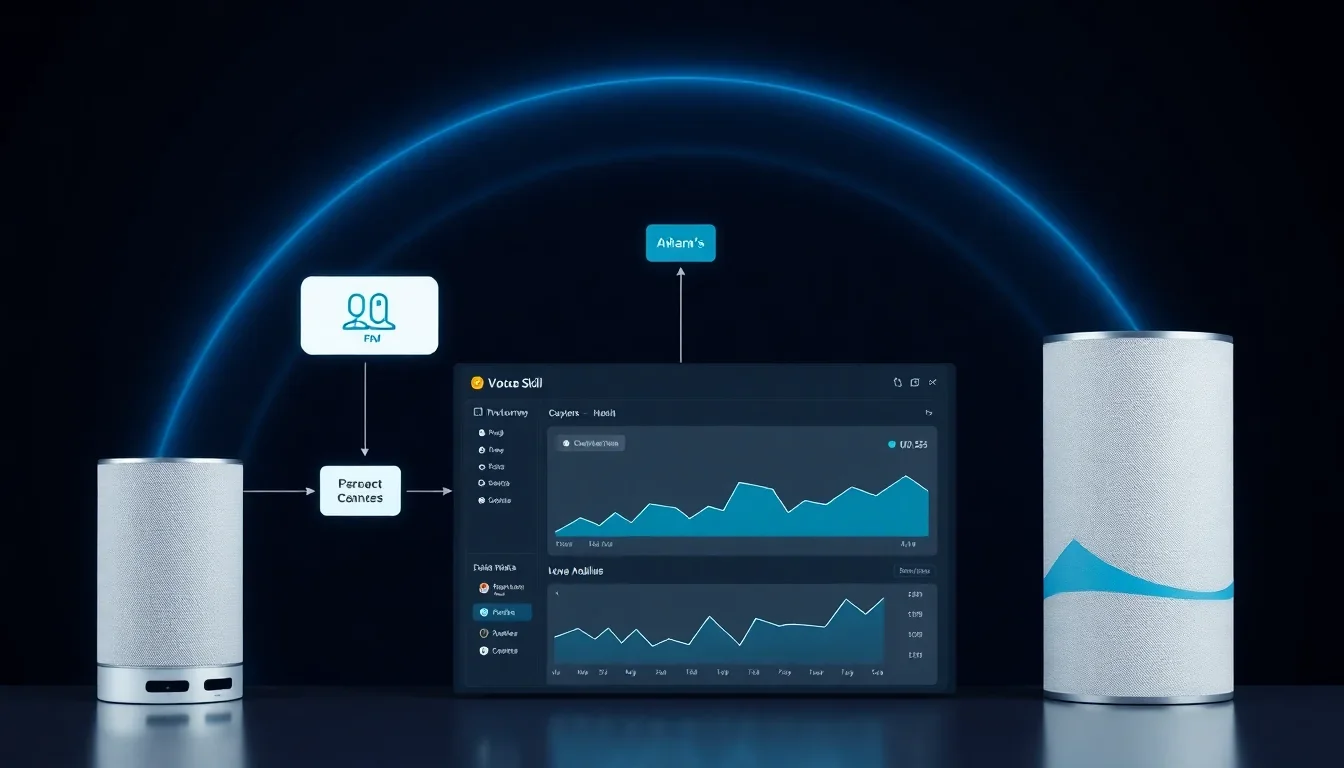
Definition & Importance of Alexa skill optimization
Alexa skill optimization is the systematic process of improving an Alexa skill’s technical performance, conversational design, discoverability, and user retention. The process covers intent schema refinement, utterance coverage, latency reduction, session management, error handling, and Skill Store metadata optimization to increase active users and engagement.
Why Alexa skill optimization matters for developers
Optimized skills deliver faster responses, fewer errors, higher session lengths, and improved ratings in the Skill Store. Skills with consistent updates and analytics-driven improvements tend to rank higher for relevant search terms inside the Skill Store and achieve better long-term retention. Sustained optimization reduces user churn and support load.
Key attributes of Alexa skill optimization
- Performance enhancement: reduce latency, improve concurrency handling, minimize cold starts.
- User engagement: increase session depth, maximize successful intents, personalize responses.
- Discoverability: optimize Skill Store metadata, use accurate categories, and maintain high rating signals.
- Technical best practices: robust error handling, versioning, automated testing, and secure authentication.
- Analytics integration: instrument events, measure funnels, and set KPIs for continuous improvement.
Key takeaway: Alexa skill optimization combines conversational design, backend engineering, and store-level improvements to produce measurable increases in activation, retention, and satisfaction.
Best Practices for Alexa skill optimization
Best practices for Alexa skill optimization prioritize user-centric design, reliable execution, and measurable improvement cycles. Developers should apply intent-first design, exhaustive utterance sets, slot value normalization, and human-centered error recovery while aligning Skill Store listings with user search behavior and platform taxonomy.
Intent design and utterance strategy for Alexa skill optimization
Define intents to match real user goals, group related utterances, and avoid intent overlap. Use diverse utterances to cover natural language variants and include slot synonyms to improve recognition. Implement fallback and help intents with contextual prompts to recover from recognition errors.
Voice UX and prompt engineering
Design prompts that deliver concise information, offer clear choices, and avoid cascading menus. Use progressive disclosure for complex tasks and confirm critical actions. Map multi-turn dialogs with explicit state transitions. Test prompts with representative users and iterate based on error rates and time-to-completion metrics.
Skill Store optimization for discoverability
Optimize skill title, short description, long description, keywords, category assignment, and sample phrases. Use precise language that reflects user search queries. Encourage authentic reviews and track rating trends. Maintain regular updates to signal activity to the Skill Store ranking algorithms.
User feedback integration into optimization
Collect structured feedback via in-skill prompts and external channels, classify feedback types, and prioritize fixes that impact task completion and error frequency. Track resolution time and correlation with rating changes. Use A/B testing where applicable to validate prompt and flow changes before wide rollout.
Key takeaway: Combine voice UX, intent design, interaction testing, and Skill Store metadata work to create a coherent optimization plan that reduces friction and increases visibility.
Alexa skill optimization Techniques and Tools
Alexa skill optimization techniques include utterance tuning, slot value normalization, conversation pruning, backend scaling, caching, and runtime monitoring. Tools include Amazon developer console, Alexa Test Simulator, AWS Lambda, Amazon CloudWatch, Amazon Kinesis, and third-party analytics platforms for voice-specific telemetry.
Step-by-step optimization workflow for Alexa skill optimization
- Audit existing performance and UX metrics to define baseline KPIs.
- Map user journeys and identify high-friction intents and slots.
- Expand utterance coverage and implement slot synonyms and entity resolution.
- Optimize backend: reduce Lambda cold starts, enable provisioned concurrency, and implement caching.
- Instrument detailed telemetry for success/failure reasons and latency per intent.
- Run controlled experiments and release changes incrementally.
- Review Skill Store metadata and refresh promotional assets and descriptions.
AWS Lambda and backend optimization for Alexa skill optimization
Use AWS Lambda best practices: set appropriate memory and timeout, enable provisioned concurrency for consistent cold-start performance, use environment variables for configuration, and log structured events for analytics. Move heavy processing to asynchronous jobs when possible and minimize synchronous operations during voice responses.
Testing tools and automation
Use the Alexa Test Simulator and Skill Management API for CI-driven deployments. Create unit tests for handler logic, integration tests for end-to-end flows, and synthetic load tests to validate scalability. Automate utterance regression tests to prevent recognition regressions after updates.
Analytics and instrumentation for ongoing optimization
Instrument intents, slots, error codes, response latency, and session outcomes as structured events. Aggregate events in Amazon Kinesis or a third-party analytics platform for funnel analysis. Monitor retention cohorts, conversion rates for key tasks, and top failure modes to prioritize improvements.
Common tools and resources:
- AWS Lambda and Amazon CloudWatch for runtime metrics and logs.
- Alexa Developer Console for interaction model and skill metadata management.
- Alexa Test Simulator and Skill Management API for testing and automation.
- Third-party analytics for voice metrics and funnel analysis.
Key takeaway: Combine code-level optimizations with conversation tuning and telemetry to produce continuous improvements in recognition and completion rates.
Evaluating Performance
Evaluate Alexa skill optimization by tracking technical, behavioral, and business metrics. Technical metrics include latency, error rate, and invocation success. Behavioral metrics include session length, task completion rate, and repeat usage. Business metrics include conversions, subscriptions, and revenue where applicable. See also Headless Cms Seo.
Core metrics for Alexa skill optimization
- Invocation success rate: proportion of invocations that reach a valid intent response.
- Average response latency: time between user utterance and skill response.
- Session completion rate: percentage of sessions that complete the primary task.
- Retention and monthly active users (MAU): user return frequency and active user base size.
- User satisfaction signals: ratings, reviews, and direct feedback events.
Tools for performance analysis
Amazon CloudWatch and AWS X-Ray support trace-level latency and error analysis. Use custom event ingestion to analytics platforms for funnel visualization and cohort analysis. Export aggregated metrics to BI tools for executive-level dashboards and to support A/B testing evaluation.
Interpreting data and making data-driven decisions
Prioritize issues that affect conversion and completion. Use cohort analysis to determine if changes improve retention. Correlate Skill Store ratings with error frequency and update cadence. Base release decisions on statistically significant improvements in key metrics.
Key takeaway: Define measurable KPIs, instrument events precisely, and use data to sequence optimization work that maximizes user task success and retention.
Common Mistakes in Alexa skill optimization
Developers commonly focus on feature expansion instead of stabilization, under-investigate utterance coverage, and neglect backend scaling. Other mistakes include poor error handling, incomplete slot resolution, inaccurate Skill Store metadata, and insufficient analytics instrumentation.
Top common mistakes and solutions
| Mistake | Description | Solution |
|---|---|---|
| Insufficient utterance coverage | Limited sample phrases that fail to represent natural user language. | Expand utterance sets, add synonyms, and validate with user testing. |
| Poor error handling | Generic or abrupt failure responses that end user sessions. | Implement contextual fallbacks, reprompt strategies, and graceful degradation. |
| Ignoring latency | High response times cause user abandonment and lower conversions. | Use provisioned concurrency, optimize code paths, and cache frequent data. |
| Weak Skill Store metadata | Vague descriptions and mismatched keywords reduce discoverability. | Align metadata with user search terms, refresh descriptions, and request reviews. |
| Missing analytics | No instrumentation to identify failure modes and bottlenecks. | Instrument intents, slots, errors, and funnels using structured events. |
Key takeaway: Address utterance coverage, error recovery, latency, metadata quality, and telemetry to avoid common pitfalls that reduce skill effectiveness and discoverability.
Case Studies
This section presents three case studies that illustrate measurable improvements from targeted Alexa skill optimization efforts. Each case includes baseline metrics, interventions, and results to demonstrate practical ROI from optimization work.
Case Study 1: News Briefing Skill — increasing daily active users
Baseline: DAU plateaued at 2,400 with low session depth. Intervention: Expanded utterances for topical queries, optimized Skill Store short description for trending keywords, and implemented content caching to reduce latency. Result: DAU increased 37% within eight weeks and average session length rose 22%. Rating improved from 3.8 to 4.4.
Key takeaway: Focused utterance expansion and metadata tuning directly increased discoverability and usage. Learn more at How to Optimize for Voice Assistants (Alexa, Google ….
Case Study 2: Productivity Skill — reducing error rates and improving completion
Baseline: High fallback rate (14%) and low task completion. Intervention: Reorganized intents to reduce overlap, added slot normalization, and created explicit confirmation steps. Implemented more descriptive fallback prompts and instrumented detailed error codes. Result: Fallback rate dropped to 4%, task completion increased 48%, and support inquiries decreased 62%. Read more at Tips for Developing High Performance Alexa Skills.
Key takeaway: Intent model restructuring and slot normalization significantly improved completion rates and reduced support burden. For details, see Why Alexa Skill Publishers Must Master Skill Store ….
Case Study 3: Retail Skill — improving conversion and retention
Baseline: Low conversion from browse to purchase within voice flows. Intervention: Shortened checkout prompts, added persistent authentication tokens, and implemented retry logic for payment APIs. Added proactive notifications and personalized recommendations. Result: Conversion rate improved from 1.2% to 3.9%, and 30-day retention increased by 21%. Additional insights at Building, Publishing and Monetizing Alexa Skills.
Key takeaway: Reducing friction in critical payment flows and personalizing recommendations drove commercial outcomes.
Future Trends in Alexa skill optimization
Emerging trends affecting Alexa skill optimization include advances in on-device NLU, multi-modal experiences across screens and audio, more sophisticated personalization, and automated utterance generation using large language models. These trends shift optimization toward hybrid local/cloud models and tighter integration with companion apps and device context signals.
Impact of generative models and on-device NLU
Generative models can create broader utterance coverage and propose phrasing variants, while on-device NLU reduces latency and enhances privacy. Developers should validate generated utterances against real-world usage and monitor for recognition drift. Provision strategies that combine local recognition with cloud verification for complex tasks.
Multi-modal and context-aware optimization
Multi-modal optimization requires synchronizing voice and display content, maintaining consistent session state, and using visual cues to reduce cognitive load. Contextual signals such as device type, location (when permitted), and user history permit adaptive prompts and smarter suggestions that increase completion rates.
Key takeaway: Prepare skills for hybrid NLU architectures, leverage multi-modal capabilities, and create monitoring to track new failure modes introduced by generative automation.
Getting Started: Quick start guide for Alexa skill optimization
This quick start guide lists the essential steps to begin Alexa skill optimization, prioritized for fast impact. Follow an audit-driven approach and execute small, measurable improvements each sprint.
30-day action plan for Alexa skill optimization
- Week 1: Baseline audit — collect metrics, review Skill Store metadata, and run utterance coverage tests.
- Week 2: Fix high-priority issues — reduce latency, add critical utterances, and improve fallback prompts.
- Week 3: Implement telemetry — instrument intent success, error codes, and funnels for main tasks.
- Week 4: Release improvements and monitor cohorts; iterate based on data.
Essential resources and tools
- Alexa Developer Console for interaction model and Skill Store management.
- AWS Lambda, CloudWatch, and X-Ray for backend performance and tracing.
- Testing frameworks and CI pipelines for automated verification.
- Voice analytics providers for funnel and cohort analysis.
Key takeaway: Start with an audit, prioritize low-effort high-impact fixes, instrument telemetry, and iterate in short cycles.
Frequently Asked Questions
What is Alexa skill optimization?
Alexa skill optimization refers to the set of practices aimed at improving an Alexa skill’s recognition accuracy, response latency, conversation design, user retention, and discoverability in the Skill Store. Optimization includes intent and utterance design, backend performance improvements, analytics instrumentation, and Skill Store metadata updates to increase user satisfaction and metrics.
How does Alexa skill optimization work?
Alexa skill optimization works by systematically auditing conversational flows and backend systems, identifying failure modes, expanding utterance coverage, tuning slot resolution, and implementing telemetry. Developers measure latency, error rates, session outcomes, and Skill Store signals, then prioritize fixes, deploy increments, and validate improvements through cohort analysis and A/B testing.
Why is Alexa skill optimization important?
Alexa skill optimization improves user task success, reduces friction, and increases discoverability and retention. Optimized skills demonstrate lower error rates, shorter latencies, and higher completion rates, which drive better user ratings and greater visibility in the Skill Store. Optimization aligns development effort with measurable business and user outcomes.
Which metrics should I monitor for Alexa skill optimization?
Monitor invocation success rate, average response latency, session completion rate, fallback and error rates, daily and monthly active users, retention cohorts, and Skill Store ratings. Track intent-level performance and funnels for primary tasks to identify the highest-impact areas for optimization and to measure the effect of released changes.
How do I reduce Lambda cold starts for Alexa skills?
Reduce Lambda cold starts by enabling provisioned concurrency for latency-sensitive functions, increasing memory allocation to reduce startup time, minimizing initialization code, and using lightweight dependencies. Consider running pre-warmed instances or moving time-consuming initialization to asynchronous workflows to ensure prompt user responses.
What are best practices for utterance design?
Best practices include creating diverse sample utterances that reflect natural language, avoiding overlapping intents, including slot synonyms, using shorter prompts for faster recognition, and testing utterance sets with representative users. Regularly analyze real user utterances to identify gaps and iterate on the interaction model.
How should I instrument analytics for Alexa skill optimization?
Instrument intents, slot values, error codes, response latency, session outcomes, and conversion events as structured telemetry. Send events to an analytics pipeline for funnel analysis and cohort tracking. Use unique identifiers for sessions and consistent event schemas to enable filtering, aggregation, and long-term trend analysis.
Can Skill Store metadata influence Alexa skill optimization?
Yes. Skill Store metadata influences discoverability and initial user impressions. Accurate titles, concise short descriptions, keyword-aligned long descriptions, appropriate categories, and high-quality promotional assets increase the likelihood that users will discover and install the skill. Encourage authentic reviews to support credibility.
How often should I update my Alexa skill for optimization?
Update cadence should balance stability with continuous improvement. Implement a regular release cycle for bug fixes and incremental UX improvements, and schedule larger updates after validating changes in testing or controlled experiments. Frequent small updates can signal activity to store algorithms while minimizing regression risk.
What common mistakes slow Alexa skill optimization?
Common mistakes include underestimating utterance diversity, neglecting error recovery, ignoring latency and cold starts, lacking analytics, and using vague Skill Store metadata. Address these by improving conversation design, implementing robust error handling, optimizing backend performance, and instrumenting key metrics for data-driven prioritization.
Sources & References
- Amazon Developer Documentation – Alexa Skills Kit and best practices for interaction models and Skill Management.
- AWS Documentation – Lambda performance optimization, CloudWatch metrics, and X-Ray tracing guidance.
- Industry reports on voice usage and engagement trends from leading analytics firms and platforms.
- Published case studies and technical articles on voice UX and conversational AI design principles.
Conclusion
The path to effective Alexa skill optimization requires a combined focus on conversational design, backend reliability, instrumentation, and Skill Store strategy. Begin with a structured audit, define measurable KPIs, and implement prioritized fixes that reduce friction and improve completion rates. Use AWS Lambda optimizations, expand utterance coverage, and instrument detailed telemetry to enable data-driven decisions.
Adopt an iterative workflow: audit, implement, measure, and iterate. Prioritize changes that impact primary tasks and conversion funnels. Perform controlled experiments to validate improvements before wide release. Maintain Skill Store metadata and actively collect user feedback to guide continuous refinement. Prepare for emerging trends such as on-device NLU and multi-modal interactions by designing modular, testable components.
Implement the checklist items in this guide to improve recognition accuracy, reduce latency, enhance user satisfaction, and increase discoverability. Track improvements with clear KPIs and communicate outcomes to stakeholders. Consistent, evidence-based optimization will increase active users, ratings, and commercial outcomes for your Alexa skills. Start optimizing your Alexa skill today using the steps and resources provided in this guide.