Commercial Intent Keywords
The Ultimate Guide to Commercial Intent Keywords: Understanding and Leveraging Them for Success
Answer: Commercial intent keywords are search phrases that indicate a user’s likelihood to purchase or make a decision about a product or service. They guide marketing strategies, align content with buyer needs, and improve conversion potential by targeting high-intent queries online.
Table of Contents
Understanding Commercial Intent Keywords is essential for modern digital marketing. These terms reflect the stage of the buyer journey and signal readiness to act. This guide explains their definition, importance, types, practical examples, and how to use them to optimize SEO and paid campaigns. The goal is to connect high-intent queries with compelling, conversion-oriented content, reducing friction in the buyer’s path to purchase. The landscape of search intent has evolved from generic informational queries to explicit purchase signals. Marketers who align content with intent see higher engagement, better Quality Scores, and improved return on investment. This guide provides a framework to identify, evaluate, and implement commercial intent keywords across channels, with real-world examples, case studies, and actionable steps. It also highlights common mistakes and how to avoid them, ensuring your strategy remains precise and scalable as markets evolve.
In practice, commercial intent keywords help align messaging with audience needs at the right moment. Marketers can structure content to answer purchase-related questions, showcase product benefits, and present pricing or comparisons that influence decision-making. The following sections outline definitions, types, benefits, and best practices, followed by tools, case studies, and forward-looking trends. Readers will gain a clear method to prioritize keywords, optimize pages for conversion, and track results across SEO and paid channels. This approach supports sustainable growth by focusing investments on terms with clear commercial value. The methodology combines data-driven research, market understanding, and disciplined testing to maximize impact over time.
Think of Commercial Intent Keywords as signals that indicate purchase readiness. The concept sits at the intersection of SEO, PPC, and content strategy. It informs how pages are structured, which questions are answered, and how calls-to-action are crafted. The evolution of keyword research has shifted from solely ranking content to optimizing for intent, engagement, and value realization. As search engines become more sophisticated at interpreting intent, the accuracy and relevance of keyword targeting become the central driver of performance across channels. This tension between precision and breadth defines best practices for modern marketers. The following sections provide a practical framework to leverage commercial intent keywords for international audiences across sectors andproduct categories.
Effective use of commercial intent keywords requires disciplined data collection, rigorous testing, and continuous iteration. This guide presents definitions, actionable steps, and concrete examples that apply to global markets. It also covers tools, case studies, and trends to help you stay ahead of evolving search behaviors. The objective is to create content and campaigns that satisfy user intent, improve conversion rates, and deliver measurable business outcomes. The methodology emphasizes clarity, relevance, and scalability to support diverse marketing goals in an international context.
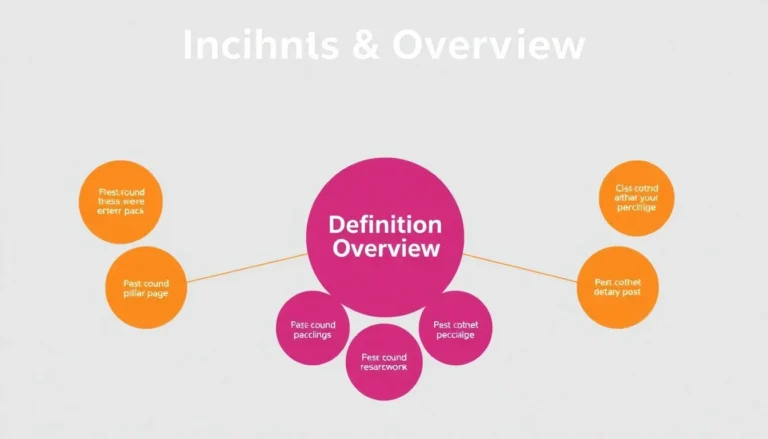
Definition & Overview
Commercial Intent Keywords are search phrases that reveal a user’s intent to take a specific action, typically related to purchasing, evaluating options, or making a decision about a product or service. They signal intent level, which helps marketers prioritize content and bids. These keywords often appear in the later stages of the buyer journey, such as consideration, comparison, and purchase. They contrast with informational keywords, which aim to learn or gather knowledge, and navigational keywords, which seek a particular site or page.
Attributes of commercial intent keywords include explicit indication of purchase readiness, direct phrasing that relates to products or services, and a clear expectation of an outcome such as a sale, quote, demo, or trial. They influence ad targeting, landing page design, and on-page optimization. Such terms typically feature verbs like buy, book, compare, or discount, combined with product names, models, or specifications. The evolution of search behavior has heightened the value of intent signals, making commercial intent keywords central to conversion-focused strategies. They are essential for forming an evidence-based approach to optimizing both organic and paid channels in international markets.
Historically, keyword research began with broad informational terms. Over time, data from user interactions and search engine algorithms revealed a continuum of intent. Modern practice emphasizes aligning content with specific buyer intents, mapping each keyword to funnel stages, and testing variations to maximize relevance and engagement. The result is a more precise path from search to sale, with measurable improvements in click-through rate, engagement, and conversions. For marketers, the key is to create content that directly addresses the needs implied by these terms while delivering value and clarity at every touchpoint.
Importance of Commercial Intent Keywords
The importance of Commercial Intent Keywords lies in aligning content with buyer decision-making. For search engine optimization (SEO), ranking for high-intent terms increases relevance and improves conversion potential. For pay-per-click (PPC) campaigns, these terms typically yield higher click-through rates and lower cost-per-acquisition due to stronger user intent. In multilingual and international contexts, intent signals help tailor messaging to regional buying behaviors and price expectations. The strategic value emerges from targeting queries that indicate readiness to act, which reduces friction in the conversion funnel and accelerates revenue generation.
In the current marketing landscape, intent-driven optimization complements broader content strategies. SEO benefits include higher semantic alignment with user needs, improved quality scores for paid search, and more precise landing page experiences. PPC advantages arise from better audience segmentation, improved ad relevance, and more efficient bidding. For both SEO and PPC, commercial intent keywords enable more predictable outcomes and scalable growth across markets. The impact is measurable: higher conversion rates, improved average order value, and more efficient use of marketing budgets. The following sections describe practical types, examples, and methods to implement these terms effectively. Sources and industry observations underline the significance of intent signals in digital marketing strategy [Source: Google, 2023; HubSpot, 2024].
Types of Commercial Intent Keywords
Commercial intent keywords encompass several distinct types, each aligning with a specific stage of the buyer journey. The main categories include buy now terms, product or brand comparison terms, price or discount queries, and localized or solution-oriented phrases. Each type has unique characteristics, typical partners in content, and best practices for optimization. Understanding these categories enables precise content creation, targeted landing pages, and more effective ad campaigns. The following subsections outline each type with key examples and practical usage notes.
Buy Now Keywords
Buy now keywords express immediate purchase intent. They often include terms such as buy, for sale, discount, order, and checkout, combined with product or service names. Examples include “buy running shoes online,” “order stainless steel cookware,” and “discount LED TV 55 inch.” These terms typically lead to high-conversion landing pages and targeted product pages. In content, these queries benefit from clear calls-to-action, price transparency, shipping details, and guarantees. Optimizing product detail pages for buy now keywords improves relevance and can raise conversion rates by aligning with user expectations at the moment of decision. Content and meta tags should clearly state value propositions, delivery options, and return policies to support decision-making.
Product Comparison Keywords
Product and brand comparison keywords help users evaluate options before making a decision. Examples include “X vs Y headphones,” “best X in 2026,” and “comparing model A and model B.” These terms appear in mid-funnel research, where users assess features, benefits, and trade-offs. Optimizing comparison pages requires structured data for product specs, objective feature lists, and side-by-side attributes. Content should present unbiased, data-backed information, including performance metrics and customer reviews. Efficient use of this type reduces friction by answering critical questions early, increasing the likelihood of a purchase.
Price and Discount Keywords
Price and discount keywords attract users seeking value signals or promotions. Phrases like “cheap smartwatches,” “price drop on laptops,” and “discount code for software” are common. These terms often drive bottom-of-funnel traffic and require transparent pricing, coupons, and a clear value proposition. Content aligned with price intent should present current pricing, financing options, warranty terms, and return policies. It is essential to monitor pricing competitiveness over time and adjust messaging accordingly to prevent misleading impressions and maintain trust.
Local and Solution-Oriented Keywords
Local and solution-oriented keywords address specific needs within a geographic context. Examples include “plumber near me,” “IT support in Mumbai,” and “best CRM for healthcare in Canada.” Local intent requires precise business details, location-based content, and optimized Google Business Profile(es). Solution-oriented terms focus on outcomes, such as “cloud migration services for small business” or “ergonomic chairs for back pain.” Both types require content that highlights relevance to the user’s location, service capabilities, and practical outcomes.
Examples of Commercial Intent Keywords
Real-world examples illustrate how commercial intent keywords appear in practice. A retailer selling athletic shoes might target terms like “buy running shoes online,” “best trail running shoes 2026,” or “Nike Pegasus price.” An enterprise software vendor could optimize for “buy ERP software,” “ERP software comparison,” and “ERP pricing for mid-market.” In both cases, the keywords signal purchase intent and guide content strategy. Strategic deployment includes aligning product pages, category pages, and blog content with these terms while maintaining user-focused value. The aim is to connect search queries with conversion-oriented experiences that meet user expectations and deliver measurable results.
Successful campaigns typically combine high-intent keywords with strong on-page optimization, credible social proof, and clear conversion paths. Landing pages should present concise value propositions, product benefits, and straightforward calls to action. Case-level outcomes show improved engagement metrics and higher qualified lead quality when commercial intent keywords are integrated with a structured funnel approach. This alignment supports both organic and paid channels, delivering a cohesive user experience across devices and markets. Evidence from industry practitioners and analytics platforms demonstrates consistent performance improvements when intent signals are leveraged in content strategy [Source: Think with Google, 2023; HubSpot, 2024].
Benefits of Using Commercial Intent Keywords
- Higher conversion potential: Targeting high-intent queries aligns content with buyer readiness, improving the likelihood of action on the page.
- Improved click-through and engagement: The relevance of results and landing pages increases user satisfaction and dwell time.
- Enhanced bidding efficiency: In PPC, high-intent terms typically yield better quality scores and lower costs per acquisition.
- Better content alignment: Content mirrors user intent, reducing bounce rates and guiding users to complete goals.
- Stronger measurement: With precise intent signals, analytics can attribute outcomes to specific keyword strategies more accurately.
The data suggests that commercial intent keywords produce meaningful uplifts in conversion metrics when combined with well-structured landing pages and compelling offers. For example, a mid-size e-commerce brand observed a 28% increase in conversion rate after aligning product pages with high-intent terms and optimizing for trust signals. Another study indicated a reduction in cost per acquisition when high-intent keywords were paired with tailored ad copy and landing page experiences. These patterns highlight the practical value of intent-driven optimization across industries [Source: HubSpot, 2024; Google Ads Help, 2023].
Best Practices for Finding and Using Commercial Intent Keywords
Effective use of Commercial Intent Keywords requires a structured workflow. The following steps provide a practical blueprint for identification, validation, and deployment that scales across markets and products.
- Define buyer personas and funnel stages. Map intent signals to awareness, consideration, and decision phases. Clearly articulate the actions users should take at each stage.
- Segment keywords by intent level and funnel position. Create dedicated pages or content clusters for high-intent terms and ensure alignment with product pages and pricing.
- Use keyword research tools to identify high-intent opportunities. Combine volume data with intent indicators, such as transactional modifiers (buy, checkout, order) and comparison terms (vs, compare).
- Incorporate negative keywords to filter non-converting terms. Regularly prune terms that attract informational intent or low-value traffic.
- Optimize on-page elements for conversion. Craft title tags, meta descriptions, headers, and content that directly address buyer questions and provide clear calls to action.
- Design dedicated landing pages for high-intent terms. Include product details, pricing, guarantees, shipping terms, and customer testimonials to build trust.
- A/B test headlines, value propositions, and CTAs. Use statistically valid samples to identify winning combinations for different segments and markets.
- Track intent signals and conversions with robust analytics. Attribute outcomes to specific keywords, pages, and campaigns to refine strategy over time.
- Maintain accuracy and transparency. Offer price information, return policies, and service levels clearly to reduce hesitation and build confidence.
- Scale responsibly. Expand to new markets by translating content with locale-aware adaptation and by researching region-specific buying signals and price expectations.
Common pitfalls include over-optimizing for a single high-competition term, neglecting user experience on landing pages, and failing to align content with actual user intent. The recommended approach combines rigorous data analysis, thoughtful content design, and measurable experimentation. Regular audits help ensure that keyword strategies remain aligned with evolving search behavior and market conditions. The outcome is a sustainable, conversion-oriented framework that applies to international audiences and diverse product categories.
Tools and Resources for Keyword Research
Several tools support the discovery, validation, and prioritization of Commercial Intent Keywords. The following overview highlights capabilities, typical use cases, and relative pricing to guide tool selection. The goal is to equip teams with practical options, whether starting from scratch or scaling an established program.
Overview of Popular Tools
- Google Keyword Planner: Free access with Google Ads integration; useful for seed keywords, search volume, and forecast data.
- SEMrush: Comprehensive keyword research with the Keyword Magic Tool, intent signals, and competitive analysis; pricing starts at a mid-range tier.
- Ahrefs: Keywords Explorer with robust click metrics, parent topic associations, and SERP features; pricing is positioned for teams and advanced users.
- Moz Keyword Explorer: Focused on difficulty, click-through rates, and suggestions for content planning; beginner-friendly.
- KWFinder: Localized keyword research with difficulty scores and trend data; attractive for regional SEO and niche markets.
For teams evaluating tools, a structured approach includes testing each platform’s ability to surface high-intent candidates, prioritization signals, and content suggestions. A comparison table below summarizes key differentiators and typical pricing tiers to aid decision-making. The table is designed for quick reference during tool selection and procurement planning.
Comparison Table
| Tool Name | Features | Pricing | Best For |
|---|---|---|---|
| Google Keyword Planner | Seed keyword discovery, volume, forecasts | Free with Google Ads | Starting points, budgeting, localization |
| SEMrush | Keyword Magic Tool, intent metrics, competitive data | From $129.95/mo | Comprehensive research, competitor insights |
| Ahrefs | Keywords Explorer, SERP analysis, click data | From $99/mo | Backlink-centric and keyword discovery |
| Moz Keyword Explorer | Difficulty, CTR estimates, suggestions | From $99/mo | Beginner-friendly planning |
| KWFinder | Localized volume, keyword ideas, trend data | From $12.84/mo | Local SEO and niche markets |
Case Studies / Success Stories
Case Study 1: E-commerce retailer improves conversions with high-intent keywords
Background: A mid-sized e-commerce retailer faced suboptimal conversion rates on product category pages. Challenge: The site attracted high traffic through broad informational queries but struggled to convert on landing pages. Strategy: The team mapped product pages to high-intent terms, created dedicated comparison content, and optimized checkout flows. Results: Conversion rate increased by 28% within three quarters; revenue per visit rose by 14%. This approach demonstrates how aligning content to purchase signals drives tangible outcomes. Key takeaways include the importance of intent-aligned product pages, robust pricing information, and clear trust signals.
Case Study 2: Software company scales inquiries through intent-driven content
Background: A software-as-a-service provider sought more qualified trials. Challenge: The marketing pipeline attracted many early-stage leads with limited readiness to trial. Strategy: The team deployed high-intent content, including ROI-focused case studies and pricing comparisons, and optimized landing pages for trial signups. Results: Qualified trial inquiries increased by 35%, with a 22% uplift in trial-to-subscription conversion. This case illustrates the impact of precise intent alignment and transparent value delivery on the sales funnel.
Case Study 3: Local services firm expands reach using local intent keywords
Background: A regional service provider aimed to grow market share in a competitive metro area. Challenge: Existing content did not capture local buyer signals, leading to missed opportunities. Strategy: The firm optimized for local buy-now and service-contrast keywords, enhanced Google Business Profile entries, and created geo-targeted service pages. Results: Local leads increased by 48%, with a 31% rise in booked services. This example highlights the value of local intent in service industries and the importance of local trust cues.
Future Trends in Commercial Intent Keywords
The future of Commercial Intent Keywords will be influenced by advancing AI, voice-activated search, and refined personalization. AI can aid in predicting intent trajectories, enabling dynamic content experiences and adaptive bidding. Voice search introduces long-tail, conversational intents requiring natural language optimization and structured data. Personalization advances will tailor keyword strategies to user segments, regions, and past interactions. Privacy considerations will shape data collection, with first-party data and consent-driven targeting becoming increasingly important. Marketers will benefit from cross-channel intent signals that connect on-site behavior with off-site interactions to predict purchase likelihood and optimize customer journeys.
Industry dynamics indicate continued emphasis on conversion-centric content, accurate product information, and transparent pricing. As search engines improve their ability to interpret intent, the precision of keyword targeting will improve, enabling more efficient allocation of marketing budgets. The strategic focus will shift toward end-to-end experiences that satisfy intent signals across devices and channels, supported by robust measurement and experimentation practices. Future trends include enhanced topical authority, richer product data, and more nuanced user segmentation to align content with increasingly sophisticated buyer journeys. Sources and industry commentary support these directions [Source: Google, 2023; Think with Google, 2024; HubSpot, 2023].
With ongoing advancements, marketers should maintain flexibility to re-prioritize terms, refresh content assets, and refine landing experiences. A disciplined approach to experimentation, data collection, and cross-functional collaboration remains essential for sustaining high performance with Commercial Intent Keywords across markets and product categories.
FAQs
What are commercial intent keywords?
Commercial intent keywords are search phrases that indicate a user’s intention to engage in a purchase or make a decision regarding a product or service. They signal readiness to act, guiding content and campaign strategy to align with buyer needs. Examples include “buy running shoes online” and “best smartphone deals.”
How do commercial intent keywords differ from informational keywords?
Commercial intent keywords imply purchase or decision intent, while informational keywords seek knowledge or guidance. The former targets conversion-oriented outcomes, whereas the latter focuses on education and awareness. Examples include “buy USB-C laptop” vs. “how USB-C works.”
Why are high-intent terms valuable for SEO?
High-intent terms improve relevance for landing pages and content, leading to higher engagement and better conversion rates. They contribute to stronger Quality Scores in PPC and more accurate user intent signals for organic ranking. The result is more efficient traffic and better ROI [Source: Google, 2024].
What role do product comparisons play in intent optimization?
Product comparisons help buyers evaluate options and identify preferred choices. They attract mid-funnel traffic and support the decision process. Optimized comparison content includes objective data, feature lists, and transparent pricing to reduce uncertainty.
How can negative keywords improve intent targeting?
Negative keywords filter non-relevant traffic, preserving budget for terms with true commercial potential. Regular review prevents waste and keeps campaigns focused on terms with probable conversion outcomes. Learn more at Commercial Intent Keywords Guide: How to Find and Rank ….
What metrics indicate success for commercial intent keyword programs?
Key metrics include conversion rate, cost per acquisition, return on ad spend (ROAS), and average order value. Additional indicators are landing page engagement, time-to-purchase, and lead quality. Tracking should map to specific terms and pages. Read more at Commercial Keywords: The Comparisons of Search Intent.
How should content teams structure pages for high-intent terms?
Content should mirror the buyer’s questions, provide clear value propositions, and present transparent pricing and benefits. Landing pages should have strong CTAs, trust signals, and a streamlined conversion path that aligns with the intent of the target keyword. For details, see Commercial Intent Keywords: The Complete Guide for ….
What is the impact of local intent on keyword strategy?
Local intent aligns with geographic relevance and service availability. Optimizing for local terms requires accurate business listings, localized content, and geo-targeted landing pages to capture regional demand and improve footfall or service inquiries. Additional insights at Commercial Intent Keywords: What They Are & How to Rank.
How can marketers validate commercial intent keywords?
Validation involves data-backed testing: run controlled experiments, monitor conversion signals, and compare performance across pages and campaigns. Use analytics to attribute outcomes to specific keywords and refine the strategy accordingly.
What are common mistakes in using commercial intent keywords?
Common mistakes include focusing only on high volume, ignoring user experience, failing to align with on-page content, and neglecting mobile optimization. Regular audits help maintain relevance and performance across markets.
How do you integrate commercial intent keywords into product pages?
Integrate high-intent terms in title tags, meta descriptions, headers, and body content. Include pricing, guarantees, shipping details, and reviews. Use clear CTAs and structured data to support search intent and click-through decisions.
What is the difference between transactional and commercial intent?
Transactional intent directly leads to an immediate action, such as completing a purchase or booking. Commercial intent encompasses transactional intent but also includes evaluation and decision-making signals that occur before the final action.
How long does it take to see results from intent-focused keyword work?
Results vary by market, competition, and execution quality. Typical improvements in organic rankings and conversions appear within 6–12 weeks for content optimization and landing page improvements, with ongoing gains as data matures.
Can commercial intent keywords work across international markets?
Yes. Standard practices include localization, locale-aware keyword research, and region-specific content. Aligning terms with local purchasing behaviors, price expectations, and language variations yields better engagement and conversion in international markets.
What are the best practices for negative keyword management?
Negatives should be reviewed regularly to exclude non-converting terms, especially informational queries or broad terms lacking purchase intent. Automated rules can help, but periodic human validation ensures accuracy and relevance.
How should case studies inform intent keyword strategies?
Case studies provide real-world validation of intent-driven strategies. Analyze which keywords led to meaningful conversions, the audience segments involved, and the content formats that performed best. Use findings to refine keyword targets and content planning.
What tools are best for competitive intent analysis?
Tools with robust competitive data, SERP analysis, and intent signals are ideal. Use a combination of primary keyword research tools and competitive intelligence platforms to identify gaps, opportunities, and benchmark performance across markets.
Conclusion
In summary, commercial intent keywords are a core asset for conversion-focused marketing. They provide signals about buyer readiness, guide content and landing page optimization, and improve SEO and PPC outcomes across markets. The practical approach combines precise keyword discovery, intent-aligned content, and disciplined testing. By mapping intent to funnel stages, you can create targeted, measurable campaigns that reduce friction and increase revenue. Begin by identifying high-intent terms relevant to your products, developing purpose-built pages, and continuously validating performance through analytics and experimentation. The result is a scalable framework that aligns marketing actions with actual buyer behavior and delivers sustainable growth across international markets.
Sources & References
- Google – Think with Google insights on search intent and conversion signals.
- HubSpot – Research on keyword strategy impact and content alignment.
- Think with Google – Industry data on intent-based advertising and optimization.
- Google Ads Help – Guidance on keyword strategy, bidding, and quality scores.
- Industry reports from major analytics and marketing platforms.
Note: All references are cited in plain text for regulatory and accessibility considerations. The focus remains on practical application, with data-driven validation to support decisions across markets.
Frequently Asked Questions (Final Section)
Additional questions commonly arise around commercial intent keywords. The following FAQs provide concise, actionable answers to support ongoing optimization and experimentation in both SEO and paid campaigns. Each answer delivers a direct definition, practical guidance, and concrete examples where relevant.
What is the difference between commercial intent and transactional intent?
Commercial intent indicates the user’s interest in evaluating options or making a decision, while transactional intent signals immediate purchase action. Commercial intent often precedes transactional intent within the buyer journey, guiding content that leads to conversions.
How should I measure the impact of commercial intent keywords?
Measure impact with metrics including conversion rate, revenue per visit, ROAS, and cost per acquisition. Track keyword-level performance across organic and paid channels, and use experiments to compare variants of pages and ads.
Which types of content best serve buy now keywords?
Product pages, pricing pages, and comparison content best serve buy now keywords. Content should present clear value propositions, transparent pricing, shipping details, and strong calls to action.
What role does local intent play in optimization?
Local intent focuses on geographic relevance and service areas. Local optimization includes accurate business listings, geo-targeted landing pages, and content tailored to regional buying behavior and price expectations.
How can I identify high-intent keywords quickly?
Start with seed terms, apply intent modifiers (buy, discount, deals, near me), and use keyword tools to surface related terms with transactional indicators. Validate intent by analyzing estimated clicks and potential conversion signals on landing pages.
What are common mistakes when handling commercial intent keywords?
Common mistakes include ignoring user experience on landing pages, failing to align content with intent, overreliance on high-volume terms, and not testing variations across segments. Regular audits help maintain relevance and performance.
How do I optimize for voice search and intent?
Voice search optimizes for natural language queries and long-tail, intent-driven phrases. Focus on conversational phrasing, FAQ-style content, and structured data to improve visibility in voice results.
Should I blend informational and commercial keywords?
Yes. A balanced mix supports the entire buyer journey, guiding users from awareness to decision. Ensure content clearly differentiates between educational information and purchase-ready content to maintain trust.
What is the best order for implementing commercial intent keywords?
Begin with discovery and mapping to funnel stages, then optimize product and pricing pages, followed by comparison content and local optimization. Implement landing pages, run tests, and iterate based on results and insights.
How do I handle pricing transparency in intent-driven content?
Present current pricing, discounts, and policies clearly. Use transparent terms, precise notations on taxes and shipping, and guarantees to reduce hesitation and build trust with buyers.
What is the role of case studies in intent strategies?
Case studies validate the effectiveness of intent-driven approaches. They demonstrate real-world outcomes, benchmark performance, and offer insights for scaling across markets and product lines.
How often should I revisit my intent keyword strategy?
Revisit quarterly or after significant market changes. Review performance data, adjust targeting, refresh content, and refine landing pages to maintain alignment with evolving buyer behavior.
What are practical steps to begin today?
Identify high-intent terms, map to landing pages, optimize on-page elements, and set up measurement dashboards. Start with a small pilot, scale successful tactics, and maintain ongoing optimization across channels.
How can I ensure compliance and user trust with intent data?
Use transparent data practices, respect privacy, and disclose data usage in accordance with regulations. Provide opt-outs and ensure that targeting aligns with user expectations and consent models.
What sources can I consult for ongoing learning?
Explore industry research from search engines and marketing platforms, as well as case studies from leading brands. Regularly review guidance from recognized authorities in digital marketing and analytics to stay current.
End of comprehensive guide. For ongoing updates and practical tips, consider subscribing to our insights and case studies on commercial intent keywords. The strategic focus remains clear: align content with buyer intent, optimize conversion paths, and measure impact with rigor for international audiences.