Complete Guide: SEO optimization [2026] — Expert Tips & S…
SEO optimization is the process of improving a website’s on-page content, technical performance, and authority signals so search engines can index and rank it higher for relevant queries.
Struggling to get steady organic traffic despite publishing content? You’re not alone. Small mistakes in structure, speed, or measurement waste months of effort and leave your website invisible to potential customers. The good news? This comprehensive guide shows a practical, step-by-step SEO optimization process you can implement in 30, 60, and 90 days.
Whether you’re a small business owner, marketing manager, or entrepreneur, you’ll discover actionable checklists, KPI dashboards, and a client example that grew organic traffic 42% in 90 days. You’ll learn exactly what to optimize, when to do it, and how to measure real results—without wasting time on tactics that don’t move the needle.
This guide covers everything from foundational concepts to advanced techniques. You’ll get a complete roadmap that includes on-page content strategies, technical SEO best practices, measurement frameworks, and budget-friendly tools. By the end, you’ll have a clear 30/60/90-day action plan with specific checkpoints and KPIs to track your progress.
The SEO landscape has evolved dramatically. Search engines now prioritize user intent, semantic relevance, and technical performance more than ever. AI-powered search features, Core Web Vitals, and entity-based indexing have changed how optimization works. This guide reflects those changes with fresh data from Google Search Central, Moz, and HubSpot—all updated for 2026.
Let’s transform your website into a traffic-generating asset that consistently attracts qualified visitors and converts them into customers.
## What is SEO Optimization?
SEO optimization is the systematic process of enhancing your website to rank higher in search engine results pages (SERPs) for queries relevant to your business. It combines technical improvements, content creation, user experience enhancements, and authority building to help search engines understand, index, and rank your pages effectively.
At its core, SEO optimization aligns your website with how search engines interpret and evaluate content. Modern search algorithms analyze hundreds of ranking factors, including page speed, mobile usability, content quality, backlink profiles, and user engagement signals. Your job is to optimize these elements so your site becomes the best answer for specific search queries.
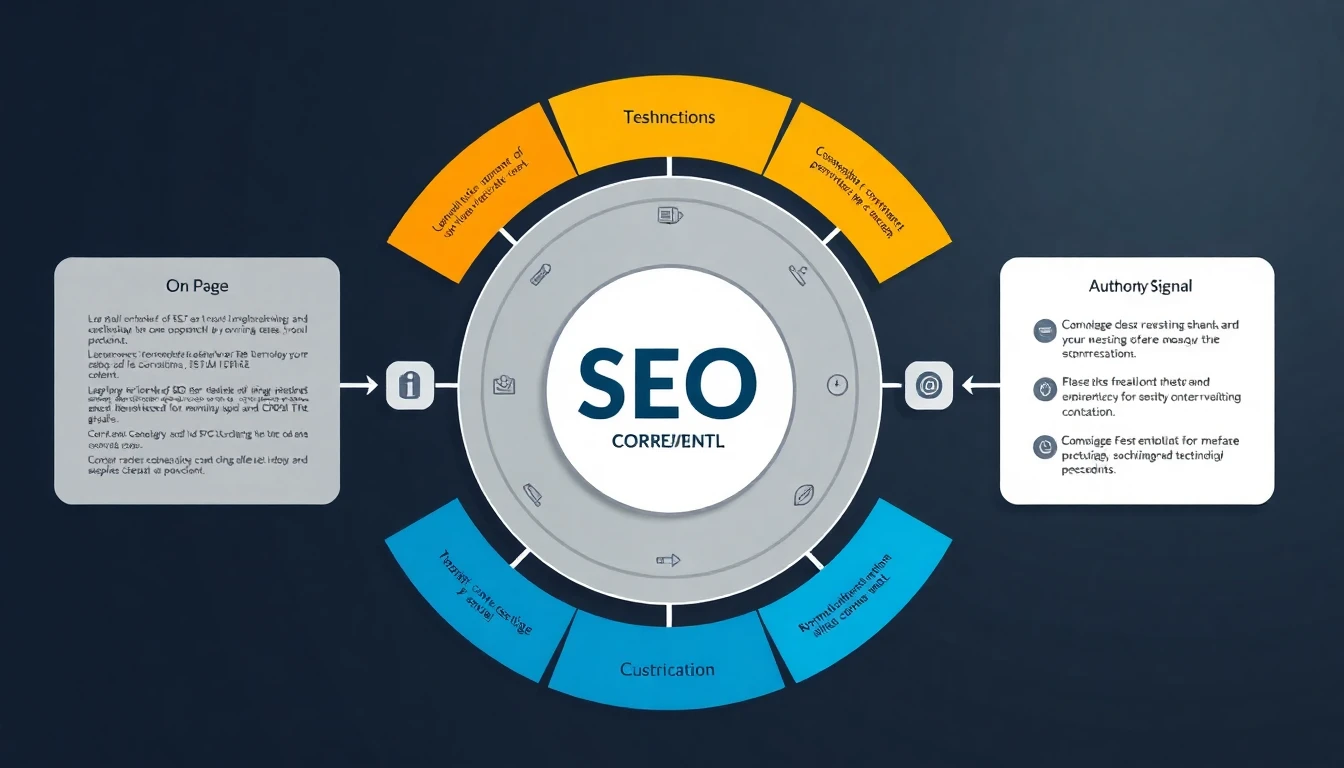
The process involves five core components that work together:
**On-page SEO** focuses on content and HTML elements. This includes title tags, meta descriptions, header structures, keyword placement, internal linking, and content quality. Every page should target specific search intent with well-structured, valuable content that answers user questions completely.
**Technical SEO** ensures search engines can crawl, index, and render your site efficiently. This covers site architecture, XML sitemaps, robots.txt files, canonical tags, page speed optimization, mobile responsiveness, and structured data markup. Technical issues create barriers that prevent even great content from ranking.
**Content and semantic SEO** builds topical authority through comprehensive, entity-focused content. Search engines now understand concepts, relationships, and context—not just keywords. Creating content clusters around core topics signals expertise and helps you rank for broader query variations.
**Link building and authority** establishes your site’s credibility through backlinks from reputable sources. Quality backlinks act as votes of confidence, telling search engines your content is trustworthy and valuable. Authority also comes from brand mentions, citations, and user engagement signals.
**User experience (UX)** influences how visitors interact with your site. Search engines track metrics like bounce rate, time on page, and click-through rates. Sites that deliver excellent experiences—fast loading, easy navigation, mobile-friendly design—earn better rankings and higher conversion rates.
### Common SEO Optimization Myths Debunked
Let’s clear up three persistent misconceptions that waste time and resources:
– **Myth: Keyword stuffing improves rankings** — Reality: Overusing keywords triggers penalties. Modern algorithms prioritize natural language and semantic relevance over keyword density.
– **Myth: SEO is a one-time project** — Reality: SEO requires ongoing optimization. Algorithm updates, competitor activity, and changing user behavior demand continuous improvement and monitoring.
– **Myth: More pages always mean better rankings** — Reality: Quality beats quantity. Thin, duplicate, or low-value pages dilute your site’s authority and waste crawl budget.
### SEO Optimization for Small Businesses
Small businesses benefit enormously from SEO optimization because it delivers sustainable, cost-effective customer acquisition. Unlike paid advertising that stops working when you stop paying, organic rankings continue generating traffic and leads long after the initial investment.
For local businesses, SEO provides exceptional ROI. According to Google, 76% of people who search for something nearby visit a business within one day. Optimizing for local search—Google Business Profile, local citations, location-based keywords—captures high-intent customers ready to buy.
The minimal viable SEO stack for small businesses includes:
– Google Search Console and Google Analytics 4 for performance tracking
– A fast, mobile-responsive website with clear navigation
– Optimized Google Business Profile with accurate NAP (name, address, phone)
– 10-20 high-quality pages targeting core services and local keywords
– Basic technical SEO: HTTPS, XML sitemap, proper heading structure
– Consistent local citations across directories like Yelp, Apple Maps, and industry-specific platforms
Small businesses don’t need enterprise-level tools or massive budgets. Focus on fundamentals, measure results, and scale what works. A local service business can achieve significant visibility with 5-10 hours of monthly optimization effort.
## Why SEO Optimization Matters in 2026
Search remains the dominant source of website traffic and customer discovery. According to BrightEdge’s 2024 research, organic search drives 53% of all trackable website traffic—more than social media, paid ads, and direct traffic combined. For businesses, this translates to sustainable growth without constantly increasing advertising spend.
The economics are compelling. HubSpot’s 2025 marketing report found that leads from organic search have a 14.6% close rate, compared to 1.7% for outbound marketing. When you rank for high-intent keywords, you attract people actively searching for solutions—not interrupting them with ads they didn’t request.
User behavior has shifted toward more sophisticated search patterns. Voice search, AI-powered autocomplete, and conversational queries mean people expect precise, comprehensive answers. Google’s Search Generative Experience (SGE) now provides AI-generated summaries for many queries, making it essential to create content that answers questions thoroughly and earns featured snippet positions.
SERP features have expanded beyond traditional blue links. Featured snippets, local packs, knowledge panels, people also ask boxes, and image carousels occupy prime real estate. Optimizing for these features increases visibility even if you’re not in the number one organic position.
The business impact extends beyond traffic numbers. A well-optimized site improves the entire customer journey. Faster page loads reduce bounce rates. Clear navigation improves conversions. Trust signals like secure connections and authoritative content increase customer confidence. SEO optimization touches every aspect of digital performance.
Consider the alternative: paid advertising costs continue rising while effectiveness declines. Facebook CPMs increased 61% year-over-year in 2024. Google Ads costs in competitive industries now exceed $50 per click. Meanwhile, organic rankings—once earned—deliver traffic at near-zero marginal cost.
### SEO Optimization and AI Search
Artificial intelligence has fundamentally changed how search engines interpret and rank content. Google’s BERT, MUM, and now Gemini models understand context, intent, and semantic relationships with human-like comprehension. This shift makes SEO optimization more focused on topical authority and entity clarity than ever before.
AI search prioritizes content that demonstrates expertise, experience, authoritativeness, and trustworthiness (E-E-A-T). Search engines evaluate author credentials, content depth, citation quality, and user satisfaction signals. Surface-level content no longer ranks—comprehensive resources that fully address topics earn visibility.
Entity-based indexing means search engines build knowledge graphs connecting concepts, people, places, and things. When you consistently create content about related topics, you establish topical authority. For example, a site publishing comprehensive guides about “email marketing,” “marketing automation,” and “lead nurturing” becomes recognized as an authority in marketing technology.
Content freshness matters more in the AI era. Search algorithms favor recently updated content for queries where timeliness matters. Regular updates signal your content remains accurate and relevant. Adding new sections, updating statistics, and refreshing examples helps maintain rankings.
The rise of zero-click searches—where users get answers directly in search results—requires strategic optimization. Structure content with clear definitions, concise answers, and well-formatted lists. While zero-click results may not drive immediate traffic, they build brand awareness and establish authority that pays dividends over time.
## SEO Optimization: Step-by-Step Process
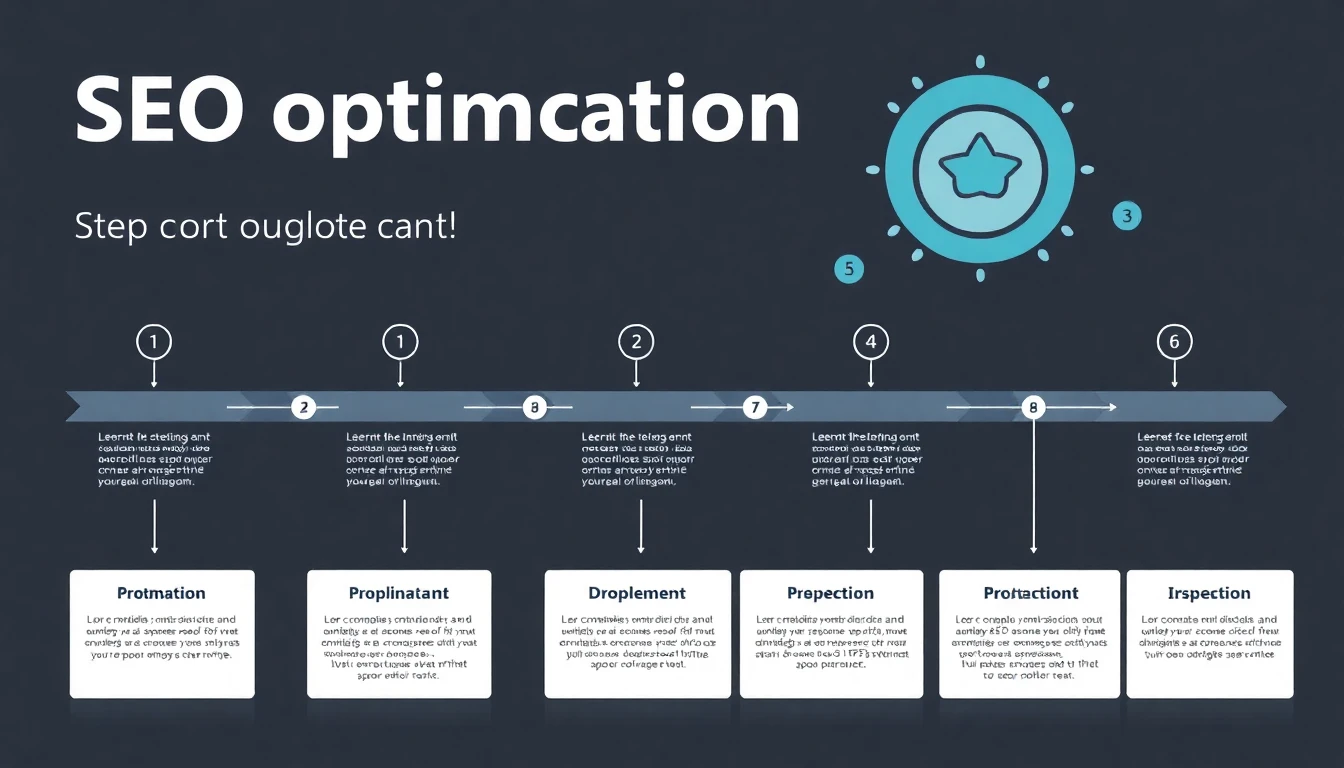
Implementing SEO optimization effectively requires a systematic approach. This six-step process provides a proven framework for improving rankings, traffic, and conversions. Each step builds on the previous one, creating a comprehensive optimization strategy that delivers measurable results.
### Step 1: Conduct a Comprehensive SEO Audit (Week 1)
Start by understanding your current state. An SEO audit identifies technical issues, content gaps, and opportunities for improvement. This diagnostic phase prevents wasted effort on the wrong priorities.
**What to audit:**
– Technical health: crawl errors, broken links, duplicate content, indexation issues
– On-page elements: title tags, meta descriptions, heading structures, keyword usage
– Content quality: thin pages, outdated information, missing topics
– Site performance: page speed, Core Web Vitals, mobile usability
– Backlink profile: quality, diversity, toxic links
– Competitor analysis: keyword gaps, content strategies, ranking opportunities
**Tools to use:** Google Search Console identifies indexation and performance issues. Screaming Frog crawls your site for technical problems. PageSpeed Insights measures Core Web Vitals. Semrush or Ahrefs analyzes backlinks and competitor keywords.
**Time estimate:** 1 week for a thorough audit of a 50-100 page site. Larger sites may require 2-3 weeks.
**Common mistake:** Skipping the audit and jumping straight to optimization. Without baseline data, you can’t measure progress or prioritize effectively.
**Pro tip:** Create a spreadsheet tracking all issues by severity (critical, high, medium, low) and estimated impact. This prioritization matrix guides your optimization roadmap.
### Step 2: Keyword and Intent Mapping (Week 2)
Keyword research identifies what your target audience searches for and the intent behind those queries. Modern SEO optimization matches content to search intent—informational, navigational, commercial, or transactional.
**How to map keywords to intent:**
Research seed keywords using Google Keyword Planner, Semrush, or Ahrefs. Identify search volume, competition, and related terms. Look beyond obvious keywords to long-tail variations that indicate specific intent.
Analyze SERP features for each keyword. Featured snippets suggest informational intent. Shopping results indicate transactional intent. Local packs show location-based intent. Match your content format to what already ranks.
Group keywords into topic clusters. Instead of creating separate pages for similar keywords, build comprehensive resources covering entire topics. For example, one authoritative guide about “email marketing” can rank for dozens of related terms.
Map keywords to existing pages or identify content gaps. Each page should target a primary keyword and 3-5 related variations. Avoid keyword cannibalization where multiple pages compete for the same term.
**Time estimate:** 1 week for keyword research and mapping across 20-30 core topics.
**Common mistake:** Targeting high-volume keywords without considering competition or intent. A lower-volume keyword with commercial intent often delivers better ROI than a high-volume informational term.
**Pro tip:** Use Google’s “People Also Ask” and “Related Searches” sections to discover question-based keywords perfect for FAQ sections and featured snippets.
### Step 3: Fix Critical Technical Issues (Weeks 3-4)
Technical problems prevent search engines from properly crawling, indexing, and ranking your content. Addressing these issues first ensures your optimization efforts aren’t wasted on a broken foundation.
**Priority technical fixes:**
**Crawl and indexation:** Submit XML sitemaps to Google Search Console. Fix robots.txt blocking important pages. Resolve duplicate content with canonical tags. Ensure important pages are indexed and unimportant pages (thank you pages, admin sections) are blocked.
**Site speed and Core Web Vitals:** Compress images to WebP format under 100KB. Enable browser caching and content delivery networks (CDNs). Minimize CSS and JavaScript. Implement lazy loading for images below the fold. Target Largest Contentful Paint (LCP) under 2.5 seconds, Interaction to Next Paint (INP) under 200ms, and Cumulative Layout Shift (CLS) under 0.1.
**Mobile optimization:** Ensure responsive design adapts to all screen sizes. Test mobile usability in Google Search Console. Verify text is readable without zooming and tap targets are adequately sized.
**Security and HTTPS:** Install SSL certificates for secure connections. Update internal links to HTTPS. Fix mixed content warnings that undermine security.
**Structured data:** Implement schema markup for articles, FAQs, how-tos, local businesses, and products. Use Google’s Rich Results Test to validate markup.
**Time estimate:** 2 weeks for critical fixes on a typical business site.
**Common mistake:** Obsessing over minor speed improvements while ignoring major indexation issues. Fix what blocks search engines first, then optimize for performance.
**Pro tip:** Use Google Search Console’s Coverage report to identify and fix indexation errors. This single report reveals most critical technical issues.
### Step 4: Optimize On-Page Content and UX (Weeks 5-8)
On-page SEO optimization ensures each page clearly communicates its topic and value to both search engines and users. This step transforms existing content into ranking assets.
**On-page optimization checklist:**
**Title tags:** Include primary keyword near the beginning. Keep under 60 characters. Make compelling and click-worthy. Each page needs a unique title.
**Meta descriptions:** Summarize page content in 150-155 characters. Include primary keyword and a call-to-action. While not a direct ranking factor, good descriptions improve click-through rates.
**Header structure:** Use one H1 per page containing the primary keyword. Structure content with H2s and H3s that include semantic variations. Headers should create a logical outline.
**Content quality:** Aim for comprehensive coverage—1,500+ words for competitive topics. Answer related questions thoroughly. Include examples, data, and expert insights. Update outdated information.
**Keyword optimization:** Use primary keyword in the first paragraph, at least one header, and naturally throughout. Include semantic variations and related entities. Avoid keyword stuffing.
**Internal linking:** Link to related pages using descriptive anchor text. Create topic clusters with pillar pages linking to cluster content. Ensure important pages receive internal links from high-authority pages.
**Media optimization:** Add relevant images with descriptive alt text. Compress images for fast loading. Include videos where they add value. Caption images for accessibility.
**User experience:** Break content into scannable sections. Use bullet points and numbered lists. Add a table of contents for long articles. Ensure adequate white space and readable fonts.
**Time estimate:** 4 weeks to optimize 20-30 core pages.
**Common mistake:** Optimizing only for search engines while ignoring user experience. Content must satisfy both algorithms and human readers.
**Pro tip:** Use the “inverted pyramid” structure—put the most important information first. Many users skim, and search engines prioritize content near the top of the page.
### Step 5: Build Internal Linking and Authority Signals (Weeks 9-10)
Internal linking distributes authority throughout your site and helps search engines understand content relationships. External authority signals—backlinks—validate your site’s credibility and expertise.
**Internal linking strategy:**
Create pillar content—comprehensive guides on core topics. Build supporting cluster content covering subtopics in detail. Link clusters back to pillars and vice versa using relevant anchor text.
Audit existing content for linking opportunities. Every page should have 3-5 internal links to related content. Use descriptive anchor text that includes relevant keywords.
Update older content to link to newer resources. This keeps older pages fresh and distributes authority to new content.
**Authority building tactics:**
**High-level link acquisition:** Create genuinely valuable resources worth linking to—original research, comprehensive guides, tools, or unique data. Promote these assets to relevant audiences through outreach, social media, and industry communities.
**Digital PR:** Respond to journalist queries on platforms like HARO (Help A Reporter Out). Contribute expert commentary to industry publications. Sponsor or participate in industry events that generate coverage.
**Content promotion:** Share your best content in relevant communities, forums, and social platforms. Engage authentically—don’t spam. Build relationships that lead to natural mentions and links.
**Time estimate:** 2 weeks for internal linking optimization; ongoing for external authority building.
**Common mistake:** Pursuing low-quality links from irrelevant sites. One high-quality, relevant link from an authoritative source outweighs dozens of low-quality directory links.
**Pro tip:** Focus on earning links through exceptional content rather than buying or exchanging links. Google’s algorithms detect and devalue artificial link schemes.
### Step 6: Measure, Iterate, and Scale (Ongoing)
SEO optimization requires continuous measurement and improvement. Track key metrics, identify what works, and double down on successful strategies while eliminating ineffective tactics.
**Essential metrics to track:**
**Organic traffic:** Monitor sessions, users, and pageviews from organic search in Google Analytics 4. Segment by landing page to identify top performers.
**Keyword rankings:** Track position changes for target keywords using Google Search Console or rank tracking tools. Focus on keywords moving from positions 11-20 to the first page.
**Click-through rate (CTR):** Analyze CTR in Search Console. Low CTR despite good rankings suggests poor titles or meta descriptions.
**Conversions:** Track goal completions from organic traffic—form submissions, purchases, downloads, or other valuable actions. Calculate conversion rate by landing page.
**Engagement metrics:** Monitor bounce rate, time on page, and pages per session. Low engagement suggests content doesn’t match search intent.
**Core Web Vitals:** Track LCP, INP, and CLS scores in Search Console. Performance issues directly impact rankings.
**Iteration process:**
Review metrics monthly. Identify pages with declining performance and diagnose issues. Find opportunities where small improvements could yield significant gains—pages ranking positions 5-10 that could reach the top 3 with optimization.
Run experiments. Test different title tags, content structures, or internal linking patterns. Measure results before scaling changes site-wide.
Scale successes. When you identify content formats, topics, or optimization tactics that work, replicate them across similar pages.
**Time estimate:** Ongoing—dedicate 2-4 hours weekly to analysis and iteration.
**Common mistake:** Making multiple changes simultaneously, making it impossible to identify what actually improved performance.
**Pro tip:** Create a monthly SEO scorecard tracking 5-7 key metrics. This dashboard provides at-a-glance performance visibility and helps communicate results to stakeholders.
### SEO Optimization for E-commerce
E-commerce sites face unique SEO optimization challenges including thousands of product pages, faceted navigation, and thin content. Here’s how to address them:
**Product page optimization:** Create unique, detailed product descriptions—never use manufacturer content. Include specifications, benefits, use cases, and customer reviews. Optimize product images with descriptive file names and alt text. Add schema markup for products, reviews, and pricing.
**Category page strategy:** Write unique descriptions for category pages. Include 150-300 words of helpful content explaining the category and guiding product selection. Optimize for commercial keywords like “best [product type]” or “[product category] for sale.”
**Faceted navigation:** Prevent duplicate content from filter combinations using canonical tags or parameter handling in Google Search Console. Consider noindexing filtered pages that create little unique value.
**Technical considerations:** Implement breadcrumb navigation for better crawling and user experience. Ensure fast page loads—e-commerce conversion rates drop 0.3% for every additional second of load time. Optimize for mobile since 60%+ of e-commerce traffic comes from mobile devices.
### How to Measure SEO Optimization Results
Measuring results requires tracking metrics at each step of the optimization process. Here are step-level KPIs:
**Audit phase:** Document baseline metrics—current organic traffic, ranking keywords, technical errors, and page speed scores.
**Keyword mapping:** Track keyword research completeness—number of target keywords identified, pages mapped, and content gaps documented.
**Technical fixes:** Monitor indexation rate (indexed pages / total pages), Core Web Vitals scores, and crawl error reduction in Search Console.
**On-page optimization:** Track on-page SEO scores using tools like Surfer SEO or Clearscope. Monitor ranking improvements for optimized pages.
**Authority building:** Count new backlinks acquired, referring domains gained, and domain authority improvements.
**Overall performance:** Measure month-over-month changes in organic traffic, conversion rate, and revenue from organic search.
Set realistic expectations. Technical fixes may show results in 2-4 weeks. Content optimization typically takes 4-8 weeks. Authority building requires 3-6 months for significant impact.
## On-Page & Content Strategy (Semantic SEO)
On-page SEO optimization transforms individual pages into ranking assets that satisfy both search algorithms and user intent. Modern on-page SEO extends beyond keyword placement to encompass semantic relevance, content structure, and comprehensive topic coverage.
### Title Tags and Meta Descriptions
Title tags remain one of the most important on-page ranking factors. Your title tag tells search engines what your page is about and appears as the clickable headline in search results.
**Title tag best practices:**
– Include primary keyword near the beginning—preferably in the first 3-5 words
– Keep length between 50-60 characters to avoid truncation in search results
– Make titles compelling and click-worthy, not just keyword-stuffed
– Include brand name at the end for brand recognition (e.g., “SEO Guide | YourBrand”)
– Create unique titles for every page—duplicate titles waste ranking opportunities
– Front-load value—put the most important information first
**Example:** Instead of “Tips and Tricks for Optimizing Your Website for Search Engines,” use “SEO Optimization Guide: 10 Proven Strategies for 2026.”
Meta descriptions don’t directly impact rankings but significantly influence click-through rates. A compelling description can improve CTR by 20-30%, which sends positive user signals to search engines.
**Meta description best practices:**
– Summarize page content accurately in 150-155 characters
– Include primary keyword naturally—Google often bolds matching terms
– Add a clear call-to-action (e.g., “Learn how,” “Discover,” “Get started”)
– Highlight unique value—what makes this result better than others?
– Write for humans first, search engines second
– Create unique descriptions for each page
**Example:** “Learn proven SEO optimization strategies that increase organic traffic. Step-by-step guide with checklists, KPIs, and real case studies. Start improving rankings today.”
### Content Structure and Header Hierarchy
Proper header structure creates a logical content outline that helps both readers and search engines understand your page organization. Headers also provide opportunities to include semantic keyword variations.
**Header hierarchy rules:**
– Use one H1 per page containing the primary keyword
– Structure content with H2s for main sections
– Use H3s for subsections under H2s
– Include primary keyword or variations in 2-3 headers
– Make headers descriptive—they should make sense out of context
– Keep headers concise—under 70 characters when possible
Search engines use headers to understand content structure and identify key topics. Well-structured headers improve your chances of appearing in featured snippets and passage rankings.
**Content structure for featured snippets:**
Create “answer blocks”—concise 40-60 word paragraphs that directly answer common questions. Place these near the beginning of sections or immediately after headers.
Use the “TL;DR” (Too Long; Didn’t Read) approach for complex topics. Provide a quick summary before diving into detailed explanations.
Structure content in passage-friendly paragraphs. Google’s passage ranking can rank individual sections of longer pages, so make each section comprehensive and self-contained.
**Example structure:**
“`
H1: SEO Optimization: Complete 2026 Guide
H2: What is SEO Optimization?
[40-60 word definition paragraph]
H3: Core Components of SEO
H3: How Search Engines Evaluate Content
H2: Why SEO Optimization Matters
H3: Traffic and Revenue Impact
H3: Cost Comparison with Paid Advertising
“`
### Entity-First Content and Semantic SEO
Modern search algorithms understand entities—people, places, things, and concepts—and their relationships. SEO optimization now requires creating content that clearly establishes topical authority through comprehensive entity coverage.
**How to implement entity-based content:**
Identify core entities related to your topic. For “email marketing,” related entities include “email automation,” “drip campaigns,” “open rates,” “deliverability,” “CRM integration,” and “segmentation.”
Cover entities comprehensively. Don’t just mention related concepts—explain them thoroughly. Search engines reward depth and completeness.
Use entity attributes naturally. Instead of just saying “email marketing software,” describe attributes: “cloud-based email marketing software with automation workflows, A/B testing capabilities, and CRM integration.”
Link to authoritative sources when referencing entities. This helps search engines validate your content accuracy and understand entity relationships.
Create entity-rich content clusters. Build pillar pages covering broad topics and cluster content exploring specific entities in depth. Link them together to establish topical authority.
**Content types that build authority:**
**Pillar pages** are comprehensive resources (2,500+ words) covering topics broadly. They link to more specific cluster content and serve as authoritative hubs.
**Cluster pages** explore subtopics in detail (1,000-2,000 words). They link back to pillar pages and to related cluster content, creating a semantic web.
**FAQ pages** answer common questions concisely. They target question-based keywords and often earn featured snippets.
**Comparison pages** help users evaluate options. They target commercial intent keywords like “best,” “vs,” or “alternative.”
**How-to guides** provide step-by-step instructions. They target informational intent and qualify for how-to rich results.
### Content Optimization Checklist
Use this checklist to ensure every page meets SEO optimization standards:
– [ ] Primary keyword appears in first paragraph, H1, and 2-3 headers
– [ ] Content length appropriate for topic (1,500+ words for competitive topics)
– [ ] Unique, valuable information not found on competing pages
– [ ] Clear answer to search intent within first 200 words
– [ ] Proper header hierarchy (H1 → H2 → H3)
– [ ] 3-5 internal links to related content using descriptive anchor text
– [ ] Images with descriptive alt text and compressed file sizes
– [ ] Short paragraphs (2-4 sentences) for readability
– [ ] Bullet points or numbered lists for scannable content
– [ ] Updated date visible to show content freshness
– [ ] Schema markup appropriate for content type
– [ ] Mobile-friendly formatting and responsive design
– [ ] Clear call-to-action guiding next steps
– [ ] Sources cited for statistics and claims
– [ ] No broken links or outdated information
### Content Optimization for Featured Snippets
Featured snippets appear above organic results, earning position zero and dramatically increasing visibility. Optimizing for snippets requires specific formatting and structure.
**Six tactics for earning featured snippets:**
1. **Answer questions directly:** Start sections with concise 40-60 word answers to specific questions. Use question-based headers (H2 or H3) that match how people search.
2. **Use definition formats:** For “what is” queries, provide clear definitions in the first paragraph. Format: “[Term] is [concise definition in 40-60 words].”
3. **Create numbered lists:** For “how to” or process-based queries, use numbered steps. Keep each step concise (1-2 sentences) with a clear action.
4. **Build comparison tables:** For “vs” or comparison queries, create HTML tables showing side-by-side comparisons. Include 3-5 comparison points.
5. **Structure bulleted lists:** For “best,” “types of,” or list-based queries, use bullet points with consistent formatting. Include 5-10 items.
6. **Optimize existing snippet-winning content:** Check Search Console for queries where you rank positions 2-5. These are prime opportunities—add better formatting and you may steal the snippet.
**Example featured snippet optimization:**
Query: “How long does SEO take?”
Optimized answer block:
“`
H2: How Long Does SEO Optimization Take?
SEO optimization typically takes 3-6 months to show significant results. Technical fixes may impact rankings within 2-4 weeks, while content optimization and authority building require 4-6 months. Competitive industries or new websites may need 6-12 months to achieve first-page rankings for valuable keywords.
“`
### Keyword Research and Intent Mapping
Effective keyword research goes beyond search volume to understand the intent behind queries. This alignment between content and intent determines whether you attract the right visitors who convert.
**Keyword research process:**
Start with seed keywords—core terms describing your business, products, or services. Enter these into keyword research tools like Google Keyword Planner, Semrush, Ahrefs, or Moz Keyword Explorer.
Analyze search volume and competition. High-volume keywords attract more traffic but face more competition. Low-volume, specific keywords (long-tail) often convert better due to clearer intent.
Identify keyword variations and related terms. Tools provide hundreds of variations—filter by relevance and intent. Look for question-based keywords (who, what, where, when, why, how) that indicate informational intent.
Examine SERP features for each keyword. The presence of featured snippets, local packs, shopping results, or video carousels reveals intent and content format expectations.
**Intent categories and content matching:**
**Informational intent:** Users want to learn something. Keywords include “how to,” “what is,” “guide,” “tutorial,” “tips.” Create comprehensive guides, how-tos, and educational content.
**Navigational intent:** Users search for a specific website or page. Keywords include brand names, product names, or “login,” “contact.” Optimize branded pages and ensure they rank for brand terms.
**Commercial intent:** Users research before purchasing. Keywords include “best,” “top,” “review,” “comparison,” “vs.” Create comparison pages, reviews, and buying guides.
**Transactional intent:** Users are ready to buy or take action. Keywords include “buy,” “price,” “discount,” “near me,” “for sale.” Optimize product pages, service pages, and local landing pages.
**Keyword mapping example:**
Topic: Email Marketing
– Informational: “how to start email marketing” → Beginner’s guide
– Commercial: “best email marketing software” → Comparison article
– Transactional: “email marketing services pricing” → Service/pricing page
– Navigational: “[YourBrand] email marketing” → Homepage/product page
Map each keyword to the most appropriate page type. Avoid creating multiple pages targeting the same keyword—this causes keyword cannibalization where your own pages compete against each other.
## Technical SEO Best Practices
Technical SEO optimization ensures search engines can efficiently crawl, index, and render your website. Even the best content won’t rank if technical issues prevent search engines from accessing and understanding it.
### Crawlability and Indexation Checklist
Search engines discover and index your content through crawling—automated bots that follow links and analyze pages. Technical barriers prevent crawling and waste your optimization efforts.
**Essential crawlability fixes:**
**XML sitemap:** Create and submit an XML sitemap to Google Search Console and Bing Webmaster Tools. Sitemaps list all important URLs and help search engines discover content efficiently. Update sitemaps automatically when you add new pages. Include only indexable URLs—exclude admin pages, thank you pages, and duplicate content.
**Robots.txt file:** Configure robots.txt to control crawler access. Allow crawling of important directories and block unimportant sections (admin, scripts, duplicate content). Common mistake: accidentally blocking important content. Test robots.txt in Search Console before deploying.
**Crawl budget optimization:** Large sites have limited crawl budget—the number of pages search engines will crawl in a given timeframe. Improve crawl efficiency by fixing redirect chains, eliminating duplicate content, and removing low-value pages. Use internal linking to guide crawlers to important content.
**Canonical tags:** Implement canonical tags to specify the preferred version of duplicate or similar pages. This consolidates ranking signals and prevents duplicate content issues. Every page should have a self-referencing canonical tag or point to the canonical version.
**Indexation control:** Use meta robots tags or HTTP headers to control indexation. Mark low-value pages (filters, archives, tags) as “noindex” to focus crawl budget on important content. Monitor indexed pages in Search Console—unexpected changes indicate technical issues.
**Pagination and infinite scroll:** Implement proper pagination using rel=”next” and rel=”prev” or component pagination. For infinite scroll, provide alternative HTML pagination for crawlers.
**JavaScript rendering:** Ensure critical content appears in HTML, not just JavaScript. While Google renders JavaScript, it’s slower and less reliable. Use server-side rendering or static site generation for important content.
**Indexation checklist:**
– [ ] XML sitemap submitted to Search Console
– [ ] Robots.txt allows crawling of important content
– [ ] Canonical tags on all pages
– [ ] Noindex applied to low-value pages
– [ ] No redirect chains or loops
– [ ] Important content accessible without JavaScript
– [ ] Internal links to all important pages
– [ ] No orphan pages (pages with no internal links)
### Mobile-First and Core Web Vitals
Google uses mobile-first indexing—the mobile version of your site determines rankings. Poor mobile experience directly hurts visibility, regardless of desktop performance.
**Mobile optimization essentials:**
**Responsive design:** Implement responsive design that adapts to all screen sizes. Test on actual devices—emulators don’t catch all issues. Ensure text is readable without zooming (minimum 16px font size).
**Touch-friendly navigation:** Make tap targets at least 48×48 pixels with adequate spacing. Avoid hover-dependent menus that don’t work on touch screens. Implement mobile-friendly navigation patterns like hamburger menus or bottom navigation bars.
**Mobile page speed:** Mobile users expect fast loading—53% abandon sites taking over 3 seconds. Optimize images aggressively, minimize JavaScript, and leverage browser caching. Consider AMP (Accelerated Mobile Pages) for content-heavy sites.
**Viewport configuration:** Set proper viewport meta tags: ``. This ensures proper scaling on mobile devices.
**Core Web Vitals optimization:**
Core Web Vitals are user experience metrics that directly impact rankings. Google measures three key metrics:
**Largest Contentful Paint (LCP):** Measures loading performance. Target: under 2.5 seconds. LCP should occur within the first viewport without scrolling.
**LCP optimization tactics:**
– Optimize and compress hero images
– Use WebP format for images
– Implement lazy loading for below-fold images
– Minimize render-blocking CSS and JavaScript
– Use content delivery networks (CDNs) for faster asset delivery
– Enable browser caching with long cache lifetimes
– Preload critical resources (fonts, hero images)
– Upgrade hosting to faster servers with adequate resources
**Interaction to Next Paint (INP):** Measures interactivity and responsiveness. Target: under 200 milliseconds. Replaced First Input Delay (FID) in 2024.
**INP optimization tactics:**
– Minimize JavaScript execution time
– Break up long tasks into smaller chunks
– Use web workers for heavy computations
– Defer non-critical JavaScript
– Optimize third-party scripts
– Reduce DOM size (keep under 1,500 nodes)
**Cumulative Layout Shift (CLS):** Measures visual stability. Target: under 0.1. CLS measures unexpected layout shifts that frustrate users.
**CLS optimization tactics:**
– Set explicit width and height attributes on images and videos
– Reserve space for ad slots and embeds
– Avoid inserting content above existing content
– Use CSS aspect ratio boxes for dynamic content
– Preload fonts to prevent font swap layout shifts
– Avoid animations that trigger layout recalculations
**Measuring Core Web Vitals:**
Use PageSpeed Insights for quick analysis of any URL. It provides both lab data (simulated) and field data (real user measurements).
Google Search Console’s Core Web Vitals report shows performance across your entire site, grouping similar pages and identifying issues affecting multiple URLs.
Chrome User Experience Report (CrUX) provides real-world performance data from actual Chrome users visiting your site.
### Site Architecture and Internal Linking
Logical site architecture helps search engines understand your content hierarchy and distributes authority effectively throughout your site.
**Site architecture best practices:**
**Flat architecture:** Keep important pages within 3 clicks of the homepage. Deep pages (4+ clicks away) receive less crawl priority and authority. Flatten architecture by adding navigation links or category pages.
**Topic clusters:** Organize content into topic clusters with pillar pages and supporting cluster content. Pillar pages comprehensively cover broad topics. Cluster pages explore specific subtopics in detail. Link clusters to pillars and related clusters.
**Breadcrumb navigation:** Implement breadcrumbs showing page hierarchy (Home > Category > Subcategory > Page). Breadcrumbs improve user experience and provide structured data for rich results.
**Internal linking strategy:**
Internal links distribute authority (PageRank) throughout your site and help search engines discover content. Strategic internal linking can significantly boost rankings.
**Internal linking best practices:**
– Link from high-authority pages to pages you want to rank
– Use descriptive anchor text including relevant keywords
– Add 3-5 contextual internal links per page
– Link to related content that adds value for readers
– Update older content to link to newer resources
– Create hub pages that link to related topic clusters
– Avoid excessive links (over 100 per page dilutes value)
– Fix broken internal links immediately
**Anchor text guidelines:** Use natural, descriptive anchor text that tells users and search engines what to expect. Avoid generic anchors like “click here” or “read more.” Instead, use keyword-rich descriptions: “learn about on-page SEO optimization techniques.”
### Structured Data and Schema Markup
Structured data helps search engines understand page content and enables rich results that increase visibility and click-through rates.
**Essential schema types for SEO optimization:**
**Article schema:** Implement on blog posts and articles. Include headline, author, datePublished, dateModified, image, and publisher. This qualifies content for Top Stories and article-rich results.
**HowTo schema:** Use on step-by-step guides and tutorials. Structure steps with text, images, and optional time estimates. HowTo schema can earn rich results showing steps directly in search.
**FAQ schema:** Implement on pages with frequently asked questions. Each Q&A pair becomes eligible for FAQ rich results. Limit to genuine FAQs—don’t abuse this markup for keyword stuffing.
**LocalBusiness schema:** Essential for local businesses. Include name, address, phone (NAP), hours, price range, and reviews. Helps with local pack rankings and knowledge panel appearance.
**Product schema:** Required for e-commerce. Include name, image, description, SKU, price, availability, and reviews. Enables product rich results with pricing and availability.
**Breadcrumb schema:** Marks up breadcrumb navigation for enhanced search result display showing page hierarchy.
**Review and Rating schema:** Displays star ratings in search results, significantly improving CTR. Use only for genuine reviews—fake reviews violate guidelines.
**Implementation methods:**
Use JSON-LD format (recommended by Google) placed in the page “ or immediately after opening “ tag. JSON-LD is easier to implement and maintain than microdata or RDFa.
Test all schema markup using Google’s Rich Results Test before deploying. This validates syntax and shows which rich results you qualify for.
Monitor rich result performance in Google Search Console’s Enhancements section. This reports errors and shows which pages have rich results.
**Schema markup example (Article):**
“`json
{
“@context”: “https://schema.org”,
“@type”: “Article”,
“headline”: “SEO Optimization: Complete 2026 Guide”,
“image”: “https://example.com/images/seo-guide-hero.jpg”,
“author”: {
“@type”: “Person”,
“name”: “Sarah Ellis”
},
“publisher”: {
“@type”: “Organization”,
“name”: “YourBrand”,
“logo”: {
“@type”: “ImageObject”,
“url”: “https://example.com/logo.png”
}
},
“datePublished”: “2026-03-01”,
“dateModified”: “2026-03-01”
}
“`
### Security and Performance Optimization
Site security and performance affect both user experience and search rankings. Google explicitly uses HTTPS and page speed as ranking factors.
**Security essentials:**
**HTTPS implementation:** Install SSL certificates on all pages. Redirect HTTP to HTTPS using 301 redirects. Update internal links to HTTPS. Fix mixed content warnings (HTTPS pages loading HTTP resources). HTTPS is a confirmed ranking factor and builds user trust.
**Security headers:** Implement security headers including Content-Security-Policy, X-Frame-Options, and X-Content-Type-Options. These protect against common attacks and improve security posture.
**Regular updates:** Keep CMS, plugins, and themes updated. Outdated software creates security vulnerabilities that can lead to hacking, blacklisting, and ranking losses.
**Performance optimization:**
**Image optimization:** Compress images to WebP format. Target under 100KB for most images. Use responsive images serving different sizes based on device. Implement lazy loading for below-fold images.
**Caching strategies:** Enable browser caching with appropriate cache lifetimes. Implement server-side caching for dynamic content. Use CDNs to serve static assets from locations near users.
**Minification:** Minify CSS, JavaScript, and HTML to reduce file sizes. Remove unnecessary whitespace, comments, and code. Use build tools to automate minification.
**Code optimization:** Remove unused CSS and JavaScript. Defer non-critical JavaScript. Inline critical CSS for faster rendering. Reduce the number of HTTP requests by combining files where appropriate.
**Database optimization:** Regularly clean database tables, removing spam comments, post revisions, and transients. Optimize database queries to reduce server load.
**Hosting considerations:** Choose hosting with adequate resources—shared hosting often can’t handle traffic spikes. Consider managed WordPress hosting, VPS, or cloud hosting for better performance. Enable HTTP/2 or HTTP/3 for faster multiplexing.
### Local SEO Optimization Checklist
Local SEO optimization helps businesses appear in location-based searches and Google’s local pack. Essential for service businesses, retail stores, and any company serving specific geographic areas.
**Local SEO essentials:**
**Google Business Profile optimization:** Claim and verify your Google Business Profile. Complete all sections: business name, address, phone, hours, categories, services, and description. Add high-quality photos regularly. Respond to all reviews promptly. Post updates, offers, and events weekly.
**NAP consistency:** Ensure your Name, Address, and Phone number are identical across your website, Google Business Profile, and all citations. Inconsistent NAP confuses search engines and hurts local rankings.
**Local citations:** Build citations (mentions of your NAP) on relevant directories: Yelp, Apple Maps, Bing Places, industry-specific directories, and local chambers of commerce. Focus on quality over quantity—authoritative, relevant citations matter most.
**Location pages:** Create dedicated pages for each location you serve. Include unique content about each location, local testimonials, location-specific services, and embedded Google Maps. Avoid duplicate content across location pages.
**Local content:** Create content relevant to your local area—local news, community events, local guides. This establishes local relevance and attracts local backlinks.
**Reviews strategy:** Actively request reviews from satisfied customers. Respond to all reviews—positive and negative. Reviews influence local rankings and conversion rates. Never buy fake reviews—Google detects and penalizes this.
**Local structured data:** Implement LocalBusiness schema with accurate NAP, hours, price range, and service areas. Add location-specific schema to location pages.
**Local link building:** Earn backlinks from local sources—local news sites, community organizations, local business associations, and complementary local businesses. Sponsor local events or charities for legitimate local links.
## Advanced SEO Optimization Techniques
Once you’ve mastered foundational SEO optimization, advanced techniques help you build sustainable competitive advantages and scale organic growth.
### Semantic Optimization and Topical Authority
Search engines reward sites that demonstrate comprehensive expertise on topics. Topical authority comes from publishing interconnected content that thoroughly covers subjects from multiple angles.
**Building topical authority:**
**Topic cluster methodology:** Identify 3-5 core topics central to your business. Create comprehensive pillar pages (2,500+ words) covering each topic broadly. Develop 10-15 cluster pages exploring specific subtopics in detail (1,000-2,000 words each). Link cluster pages to pillars and to related clusters.
**Entity mapping:** Research entities related to your core topics using tools like Google’s Knowledge Graph, Wikipedia, and competitor analysis. Cover these entities comprehensively in your content. Use entity attributes and relationships naturally.
**Content depth over breadth:** Rather than publishing shallow content on many topics, publish comprehensive resources on fewer topics. One authoritative guide outperforms ten thin articles.
**Semantic keyword research:** Identify semantic variations and related concepts using tools like Semrush’s Topic Research, AnswerThePublic, or Google’s related searches. Cover these variations naturally throughout your content.
**Expert authorship:** Establish author expertise through author bios, credentials, and consistent authorship. Google’s E-E-A-T (Experience, Expertise, Authoritativeness, Trustworthiness) guidelines emphasize author credibility.
**Topical authority signals:**
– Comprehensive coverage of related subtopics
– Internal linking between related content
– Consistent publishing on core topics
– External links from authoritative sources in your niche
– Author expertise and credentials
– User engagement signals (time on page, low bounce rate)
– Social signals and brand mentions
**Example topical authority structure:**
Core topic: Content Marketing
Pillar page: “Complete Content Marketing Guide” (3,000 words)
Cluster pages:
– “Content Marketing Strategy: Planning and Execution” (1,500 words)
– “Content Types That Drive Engagement” (1,800 words)
– “Content Distribution Channels and Tactics” (1,600 words)
– “Content Marketing Metrics and ROI” (1,400 words)
– “Content Creation Workflows and Tools” (1,500 words)
– “SEO Optimization for Content Marketing” (2,000 words)
Each cluster links to the pillar and to related clusters, creating a semantic web that signals topical expertise.
### Content Pruning and Consolidation Strategy
More content doesn’t always mean better rankings. Low-quality, outdated, or duplicate content dilutes your site’s authority and wastes crawl budget.
**When to prune content:**
**Thin content:** Pages with under 300 words that don’t serve a clear purpose. These pages rarely rank and waste crawl budget.
**Outdated content:** Information that’s no longer accurate or relevant. Outdated statistics, discontinued products, or obsolete advice hurts credibility.
**Duplicate content:** Multiple pages targeting the same keyword or covering identical information. This causes keyword cannibalization and splits ranking signals.
**Low-performing content:** Pages with minimal traffic, no backlinks, and no conversions after 12+ months. These pages contribute little value.
**Orphan pages:** Pages with no internal links. If you don’t think they’re important enough to link to, neither will search engines.
**Content pruning process:**
Audit your entire site using Google Analytics and Search Console. Export all pages with metrics: sessions, pageviews, bounce rate, conversions, backlinks, and keyword rankings.
Categorize pages:
– **Keep and improve:** Good traffic or rankings but could perform better with optimization
– **Consolidate:** Multiple pages covering similar topics—merge into comprehensive resources
– **Redirect:** Outdated or thin content with backlinks—redirect to relevant current pages
– **Delete:** No traffic, no backlinks, no value—remove entirely
**Consolidation strategy:** Merge similar content into comprehensive resources. Combine three mediocre articles into one authoritative guide. Set 301 redirects from old URLs to the consolidated page. This concentrates ranking signals and creates more valuable resources.
**Example:** Instead of separate posts on “email subject lines,” “email preview text,” and “email sender names,” create one comprehensive guide: “Email Optimization: Subject Lines, Preview Text, and Sender Strategy.”
**Pruning benefits:**
– Improved crawl efficiency—crawlers spend time on valuable pages
– Higher average page quality signals
– Eliminated keyword cannibalization
– Better user experience—easier to find comprehensive information
– Concentrated authority on fewer, stronger pages
**Important:** Always redirect deleted pages with backlinks or traffic. Use 301 redirects to preserve link equity and avoid 404 errors.
### Internationalization and Hreflang
Sites serving multiple countries or languages need proper internationalization to avoid duplicate content issues and serve the right content to the right users.
**Hreflang implementation:**
Hreflang tags tell search engines which language and regional variations of pages exist. This prevents duplicate content penalties and ensures users see content in their language.
**Hreflang tag format:**
“`html
“`
**Hreflang best practices:**
– Include self-referencing hreflang (each page should reference itself)
– Add x-default for users who don’t match any specified language/region
– Ensure bidirectional links (if page A links to page B, page B must link to page A)
– Use consistent URLs across all hreflang tags
– Validate hreflang implementation using Search Console
**International SEO considerations:**
**URL structure:** Choose between subdirectories (example.com/es/), subdomains (es.example.com), or country-code domains (example.es). Subdirectories are generally easiest to manage and consolidate authority.
**Content translation:** Don’t rely on automatic translation—hire native speakers to create culturally appropriate content. Translate meta tags, alt text, and all on-page elements.
**Local hosting:** Consider hosting regional content on servers in target countries for faster loading.
**Local link building:** Earn backlinks from websites in target countries to establish regional authority.
### Automating SEO Reporting and Scaling Content
Automation helps you scale SEO optimization efforts without proportionally increasing time investment.
**SEO reporting automation:**
**Google Data Studio (Looker Studio):** Create automated dashboards pulling data from Google Analytics, Search Console, and other sources. Share dashboards with stakeholders for real-time visibility.
**Automated alerts:** Set up Google Analytics alerts for significant traffic changes, ranking drops, or technical issues. Catch problems early before they cause major damage.
**Rank tracking automation:** Use tools like Semrush, Ahrefs, or Accuranker to automatically track keyword rankings daily or weekly. Set alerts for significant position changes.
**Technical monitoring:** Implement uptime monitoring and crawl error alerts. Tools like Screaming Frog Cloud or Sitebulb can run scheduled crawls and alert you to issues.
**Content scaling strategies:**
**Content templates:** Create templates for common content types (how-to guides, comparison posts, product reviews). Templates ensure consistency and speed up production.
**Content briefs:** Develop detailed briefs for writers including target keywords, structure, word count, and competitor analysis. Good briefs dramatically improve content quality and reduce revisions.
**Editorial calendars:** Plan content 3-6 months ahead. This enables strategic topic coverage, timely seasonal content, and consistent publishing schedules.
**Content management systems:** Use project management tools (Asana, Trello, Monday.com) to track content through ideation, writing, editing, optimization, and publishing stages.
**AI-assisted content:** Use AI tools for research, outlines, and first drafts—but always have human editors review and enhance content. AI-generated content requires human expertise, fact-checking, and optimization to rank well.
### Link Acquisition Roadmap
While this guide focuses on other aspects of SEO optimization, link building remains important for competitive keywords. Here’s a high-level roadmap:
**Foundation (Month 1-2):**
– Create genuinely valuable linkable assets—original research, comprehensive guides, tools, or unique data
– Optimize existing content to be link-worthy
– Build relationships with industry publications and influencers
– Fix broken backlinks using tools to find sites linking to 404 pages
**Growth (Month 3-6):**
– Digital PR: Respond to journalist queries on HARO
– Guest posting on relevant, authoritative sites (focus on value, not just links)
– Create and promote original research or data studies
– Participate in industry communities and forums authentically
**Scale (Month 6+):**
– Develop consistent PR outreach processes
– Build partnerships with complementary businesses
– Create shareable content assets (infographics, tools, calculators)
– Monitor competitor backlinks and pursue similar opportunities
**Link quality over quantity:** One link from a highly authoritative, relevant site outweighs dozens of low-quality directory links. Focus on editorial links earned through valuable content.
### When to Hire an SEO vs DIY
Deciding between DIY SEO optimization and hiring professionals depends on budget, complexity, and internal capabilities.
**DIY SEO makes sense when:**
– You have time to learn and implement (10-20 hours monthly minimum)
– Your industry isn’t highly competitive
– You have basic technical skills or developer support
– Budget is limited (under $2,000/month for services)
– You’re willing to invest 6-12 months before seeing significant results
– Your website is relatively small (under 100 pages)
**Hire an SEO professional when:**
– You lack time for consistent optimization efforts
– Your industry is highly competitive (finance, legal, healthcare)
– Technical issues require specialized expertise
– You need faster results for business reasons
– Budget allows for professional services ($2,000-10,000+/month)
– You have a large or complex website (1,000+ pages, e-commerce)
– Previous DIY efforts haven’t produced results
**Cost vs. complexity decision matrix:**
| Scenario | Competition | Technical Complexity | Recommendation | Typical Cost |
|---|---|---|---|---|
| Local service business | Low-Medium | Low | DIY or consultant | $0-500/month |
| Regional business | Medium | Medium | Consultant or small agency | $1,000-3,000/month |
| National e-commerce | High | High | Specialized agency | $3,000-10,000/month |
| Enterprise/multi-location | Very High | Very High | Enterprise agency | $10,000+/month |
**Provider vetting checklist:**
When hiring SEO services, evaluate providers carefully:
– [ ] Case studies with measurable results (traffic, rankings, revenue)
– [ ] Transparent methodology—avoid “secret sauce” claims
– [ ] White-hat practices only—no link schemes or black-hat tactics
– [ ] Regular reporting with clear KPIs
– [ ] Experience in your industry or similar businesses
– [ ] Clear contract terms and deliverables
– [ ] References from current or past clients
– [ ] Realistic timeline expectations (beware of “first page in 30 days” promises)
– [ ] Technical capabilities matching your needs
– [ ] Communication style and responsiveness
**Red flags to avoid:**
– Guaranteed rankings (no one can guarantee specific positions)
– Extremely low prices (quality SEO requires expertise and time)
– Lack of transparency about tactics
– No reporting or vague metrics
– Pressure to sign long-term contracts immediately
– Focus solely on rankings rather than business outcomes
## Measuring SEO Success: KPIs, Dashboards & Attribution
Effective SEO optimization requires measuring the right metrics and understanding what drives business outcomes. Vanity metrics like keyword rankings matter less than traffic, conversions, and revenue.
### Primary SEO KPIs
Focus on metrics that directly impact business goals. These primary KPIs should drive optimization decisions:
**Organic traffic:** Total sessions and users from organic search in Google Analytics 4. Segment by landing page to identify top performers and opportunities. Track month-over-month and year-over-year changes to account for seasonality.
**Organic conversions:** Goal completions from organic traffic—form submissions, purchases, downloads, or other valuable actions. This metric connects SEO to business outcomes. Track conversion rate (conversions / sessions) to measure quality, not just quantity.
**Assisted conversions:** Organic search often assists conversions that close through other channels. Check Multi-Channel Funnels in GA4 to see organic search’s role in the conversion path. This reveals SEO’s full impact.
**Keyword rankings:** Track positions for target keywords using Google Search Console or rank tracking tools. Focus on high-value keywords that drive traffic and conversions. Monitor rankings for:
– Brand keywords (should rank #1)
– Money keywords (commercial/transactional intent)
– Informational keywords (build authority)
**Click-through rate (CTR):** Percentage of impressions that result in clicks. View CTR by query and page in Search Console. Low CTR despite good rankings indicates poor titles/descriptions. Industry average CTR for position 1 is 28-35%; position 2 is 15-20%; position 3 is 10-12%.
**Impressions:** How often your pages appear in search results. Growing impressions indicate expanding visibility even before ranking improvements translate to traffic.
### Secondary SEO Metrics
These supporting metrics provide context and help diagnose issues:
**Bounce rate:** Percentage of sessions where users leave after viewing one page. High bounce rates may indicate poor content-intent match, slow loading, or poor UX. However, bounce rate alone doesn’t tell the full story—some content (contact info, definitions) naturally has high bounce rates.
**Average session duration:** How long users spend on your site. Longer sessions generally indicate engaged users finding valuable content. Compare session duration across landing pages to identify top performers.
**Pages per session:** Average number of pages viewed per session. Higher numbers suggest good internal linking and engaging content that encourages exploration.
**Scroll depth:** How far users scroll on pages. Tools like Google Tag Manager can track scroll depth. Low scroll depth on long content suggests users aren’t finding value or content is poorly structured.
**Core Web Vitals scores:** LCP, INP, and CLS scores from Search Console and PageSpeed Insights. Poor scores directly impact rankings and user experience.
**Indexed pages:** Number of pages in Google’s index from Search Console. Unexpected changes indicate technical issues. Track the ratio of indexed to total pages.
**Crawl stats:** Crawl requests, crawl data, and time spent downloading pages from Search Console. Significant changes may indicate technical issues or content changes affecting crawl behavior.
### Sample SEO Dashboard Setup
Create a comprehensive dashboard that provides at-a-glance performance visibility. Use Google Data Studio (Looker Studio) to pull data from multiple sources.
**Essential dashboard components:**
**Overview section:**
– Organic sessions (current month vs. previous month vs. same month last year)
– Organic conversions and conversion rate
– Top 10 landing pages by sessions
– Top 10 landing pages by conversions
– Month-over-month traffic trend graph
**Keyword performance section:**
– Top 20 keywords by impressions
– Top 20 keywords by clicks
– Average CTR by keyword category
– Position distribution (how many keywords in positions 1-3, 4-10, 11-20, 21+)
– Biggest ranking improvements and declines
**Technical health section:**
– Core Web Vitals scores (percentage of URLs with good scores)
– Indexation status (indexed vs. total pages)
– Crawl errors and security issues
– Mobile usability issues
– Page speed scores for key landing pages
**Content performance section:**
– Top performing content by traffic
– Top performing content by conversions
– Content with declining performance
– New content performance
– Average time on page by content type
**Backlink profile section:**
– Total backlinks and referring domains
– New backlinks this month
– Lost backlinks this month
– Domain authority trend
– Top linking domains
**Goal tracking section:**
– Monthly organic traffic goal vs. actual
– Monthly conversion goal vs. actual
– Revenue from organic search (if e-commerce)
– Cost per acquisition from organic vs. paid channels
### Measurement Pitfalls to Avoid
Understanding common measurement mistakes prevents misinterpreting data and making poor optimization decisions.
**Seasonality blindness:** Many businesses have seasonal traffic patterns. Comparing December to January may show a drop that’s normal seasonality, not SEO problems. Always compare to the same period last year.
**Channel overlap:** Users often interact with multiple channels before converting. Someone might discover you through organic search, return via direct traffic, and convert through email. Attribution models help understand these paths.
**Incorrect filters:** Accidentally filtering out important traffic segments skews data. Common mistakes include filtering out your own IP, excluding certain geographic regions, or misconfigured view filters in Analytics.
**Focusing on rankings over outcomes:** Ranking #1 for a keyword that doesn’t drive conversions wastes resources. Prioritize keywords based on business value, not just search volume or ranking difficulty.
**Ignoring statistical significance:** Small traffic changes may be normal variation, not meaningful trends. Wait for statistically significant data before making major strategy changes.
**Not accounting for technical issues:** Traffic drops may result from technical problems (site downtime, robots.txt errors, indexation issues) rather than algorithm updates or competition. Always check Search Console for technical issues when diagnosing performance changes.
**Vanity metrics obsession:** Metrics like total keywords ranking or domain authority are interesting but don’t directly impact business goals. Focus on traffic, conversions, and revenue.
### Running SEO Experiments and Attribution
Scientific testing helps identify what actually improves performance versus correlation that doesn’t indicate causation.
**SEO experiment methodology:**
**Isolate variables:** Test one change at a time. If you simultaneously update content, change internal linking, and add schema markup, you won’t know which change drove results.
**Use control groups:** For large sites, test changes on a subset of similar pages while leaving others unchanged. Compare performance between test and control groups.
**Establish baselines:** Measure performance before changes for at least 30 days to establish baseline metrics and account for normal variation.
**Allow sufficient time:** SEO changes take time to impact rankings. Run experiments for at least 60-90 days before drawing conclusions.
**Track multiple metrics:** Don’t just track rankings. Monitor traffic, CTR, conversions, and engagement metrics to understand full impact.
**Document everything:** Record exactly what changed, when, and expected outcomes. This documentation helps you replicate successes and avoid repeating failures.
**Example experiment:**
Hypothesis: Adding FAQ schema to service pages will increase CTR and traffic.
Test setup:
– Select 20 similar service pages
– Add FAQ schema to 10 pages (test group)
– Leave 10 pages unchanged (control group)
– Track impressions, CTR, and sessions for 90 days
Results measurement:
– Test group: +18% CTR, +23% sessions
– Control group: +2% CTR, +3% sessions
– Conclusion: FAQ schema significantly improved performance
Next steps: Roll out FAQ schema to all service pages and similar content types.
**Attribution modeling:**
Understanding how organic search contributes to conversions requires proper attribution modeling. GA4 offers several attribution models:
**Last-click attribution:** Gives 100% credit to the final touchpoint before conversion. Undervalues organic search’s role in awareness and consideration.
**First-click attribution:** Credits the first touchpoint. Highlights organic search’s role in customer acquisition but ignores nurturing channels.
**Linear attribution:** Distributes credit equally across all touchpoints. Provides balanced view but doesn’t account for varying channel importance.
**Data-driven attribution:** Uses machine learning to assign credit based on actual conversion paths. Most accurate but requires sufficient conversion volume.
For most businesses, data-driven or linear attribution provides the most accurate view of organic search’s contribution to revenue.
### SEO Optimization ROI Example
Real-world case study demonstrating measurable SEO optimization results:
**Client background:** Regional home services company with 15 service pages, 20 blog posts, and inconsistent local SEO. Website age: 3 years. Starting domain authority: 22.
**Baseline metrics (Month 0):**
– Organic sessions: 1,240/month
– Keywords ranking in top 10: 12
– Organic conversions: 18/month
– Average ranking position: 24.3
– Google Business Profile views: 420/month
**Challenge:** Low visibility for high-intent service keywords. Inconsistent NAP across directories. Slow site speed (4.2s LCP). Thin service page content (300-400 words).
**Actions taken (90-day optimization):**
**Month 1 – Technical and local foundation:**
– Fixed 23 technical issues from audit (broken links, redirect chains, missing alt text)
– Improved Core Web Vitals: LCP from 4.2s to 1.8s, CLS from 0.18 to 0.06
– Optimized and verified Google Business Profile
– Built 15 consistent local citations
– Implemented LocalBusiness schema markup
**Month