Complete Guide: SEO optimization [2026] — Expert Tips & S…
SEO optimization is the process of improving a website’s on-page content, technical performance, and authority signals so search engines can index and rank it higher for relevant queries. This comprehensive guide provides a practical, step-by-step approach you can implement in 30/60/90 days.
Struggling to get steady organic traffic despite publishing content regularly? You’re not alone. Small mistakes in site structure, page speed, or measurement can waste months of effort and leave you wondering why your competitors consistently outrank you. The good news? With a systematic approach to SEO optimization, you can transform your website into a traffic-generating asset that delivers measurable business results.
This guide shows you exactly how to optimize your website for search engines in 2026. You’ll learn actionable tactics backed by real data, including a detailed checklist, a 30/60/90-day implementation timeline, essential KPIs to track, and a client case study that achieved 42% organic traffic growth in just 90 days. Whether you’re a small business owner managing SEO yourself or a marketer building an optimization strategy, you’ll find the practical frameworks you need to succeed.
What makes this guide different? We’ve analyzed the top-ranking SEO resources, identified what they’re missing, and filled those gaps with real-world implementation details. You’ll get specific metrics to track, exact steps to follow, budget guidance for tools and services, and ready-to-use templates. By the end, you’ll have a complete roadmap to improve your search rankings, increase organic traffic, and drive more conversions.
What Is SEO Optimization?
SEO optimization is the systematic process of enhancing your website to improve its visibility in search engine results pages (SERPs). It encompasses multiple disciplines working together: on-page content optimization, technical infrastructure improvements, semantic relevance building, authority signal development, and user experience refinement. When done correctly, SEO optimization aligns your website with how search engines crawl, index, and rank content while simultaneously meeting user intent.
At its core, SEO optimization involves making your website more understandable and valuable to both search engines and human visitors. Search engines like Google use sophisticated algorithms that evaluate hundreds of ranking factors, from page load speed and mobile responsiveness to content quality and backlink profiles. Your job is to optimize these elements systematically so search engines recognize your pages as the best answers to specific queries.
The five core components of effective SEO optimization include:
- On-page SEO: Optimizing individual page elements like title tags, meta descriptions, headers, content structure, internal links, and keyword usage to match search intent and improve relevance.
- Technical SEO: Ensuring search engines can efficiently crawl, index, and render your site by addressing issues like site speed, mobile-friendliness, XML sitemaps, robots.txt configuration, and structured data.
- Content and semantic optimization: Creating comprehensive, entity-focused content that demonstrates topical authority, answers user questions thoroughly, and uses natural language that search engines understand.
- Link building and authority: Developing a backlink profile from reputable websites that signal trust and expertise in your niche, plus building internal linking structures that distribute authority effectively.
- User experience (UX) optimization: Improving engagement metrics like bounce rate, time on page, and pages per session by delivering fast, intuitive, valuable experiences that satisfy user intent.
How do search engines interpret “optimization”? Modern search algorithms focus on entity recognition and intent alignment. Instead of simply matching keywords, Google’s systems identify the entities (people, places, concepts) mentioned in your content and evaluate whether your page comprehensively addresses the user’s underlying need. This means effective SEO optimization in 2026 requires understanding not just what keywords to target, but what informational gaps your content fills and what related concepts strengthen your topical authority.
Common SEO Optimization Misconceptions
Before diving deeper, let’s dispel three persistent myths that waste time and resources:
- Myth 1: Keyword stuffing improves rankings. Reality: Overusing exact-match keywords triggers spam filters and damages readability. Natural language variation and semantic relevance matter far more than keyword density.
- Myth 2: SEO is a one-time project. Reality: Search algorithms evolve continuously, competitors improve their sites, and user behavior shifts. Effective SEO optimization requires ongoing monitoring, testing, and refinement.
- Myth 3: More backlinks always equal better rankings. Reality: Link quality trumps quantity. A few authoritative, relevant links from trusted sources outperform dozens of low-quality directory listings or spammy blog comments.
SEO Optimization for Small Businesses
Small businesses should prioritize SEO optimization because it delivers the lowest cost-per-acquisition of any marketing channel over time. Unlike paid advertising that stops generating traffic the moment you pause spending, organic search rankings compound in value. A well-optimized page can drive qualified traffic for months or years with minimal ongoing investment.
For small businesses with limited budgets, the minimal viable SEO stack includes:
- Google Search Console (free) for monitoring search performance and technical issues
- Google Analytics 4 (free) for tracking traffic, conversions, and user behavior
- A basic keyword research tool like Ubersuggest or Google Keyword Planner (free or low-cost)
- PageSpeed Insights (free) for identifying performance bottlenecks
- Yoast SEO or Rank Math plugin (free versions) for WordPress sites
This foundation costs nothing and provides 80% of what you need to implement effective SEO optimization. As your business grows, you can add premium tools like Semrush or Ahrefs for competitive analysis and advanced keyword research.
Why SEO Optimization Matters in 2026
The search landscape continues evolving rapidly, making SEO optimization more critical than ever for businesses that want to compete effectively. According to Google Search Central’s 2024 data, organic search drives 53% of all trackable website traffic, significantly outperforming social media (5%), paid search (15%), and other channels. For B2B companies, this percentage climbs even higher, with HubSpot reporting that 71% of B2B researchers begin their buying journey with a generic search query.
User search behavior has fundamentally shifted with the rise of AI-powered features and natural language processing. Google’s autocomplete suggestions, featured snippets, People Also Ask boxes, and AI Overviews (formerly SGE) now answer many queries directly on the SERP, reducing click-through rates for traditional blue-link results. This means your content must be exceptionally relevant and well-structured to earn clicks, or strategically optimized to appear in these prominent SERP features.
Several SERP features deserve special attention in 2026:
- Featured snippets: Position zero results that appear above organic listings, often pulled from pages ranking in positions 1-5. Optimizing for snippets requires concise, well-formatted answers to specific questions.
- Passage ranking: Google can now rank specific sections of your content independently, making it essential to structure long-form content with clear subheadings and self-contained answer blocks.
- Local packs: Map-based results for location-specific queries, critical for service businesses and retailers with physical locations.
- Video carousels: YouTube and other video results increasingly appear for how-to and educational queries, creating opportunities for video SEO.
The business outcomes from effective SEO optimization follow a predictable pattern: increased organic traffic leads to more qualified leads, which convert to customers at a measurable rate. For example, a SaaS company that improves its organic traffic from 5,000 to 10,000 monthly sessions (100% increase) with a 3% conversion rate to free trial signups gains 150 additional leads per month. If 20% of trials convert to paid customers at $99/month average revenue, that’s 30 new customers generating $2,970 in monthly recurring revenue—from organic search alone.
SEO Optimization and AI Search
The integration of AI into search fundamentally changes SEO optimization priorities. Google’s algorithms now use natural language understanding to interpret context, identify entities, and evaluate content comprehensiveness at levels impossible just a few years ago. This semantic search approach means you must optimize for topics and concepts, not just individual keywords.
Content freshness and entity clarity have become paramount. Search engines favor recently updated content that demonstrates current expertise, particularly for Your Money or Your Life (YMYL) topics affecting health, finance, or safety. Clear entity signals—using consistent terminology, linking to authoritative sources, and building topical clusters—help search engines understand your expertise and trust your content.
Practical implications for 2026 SEO optimization include:
- Creating comprehensive content hubs that cover topics exhaustively rather than thin pages targeting individual keywords
- Updating existing content regularly with new data, examples, and insights
- Using structured data to explicitly identify entities, relationships, and content types
- Building internal linking structures that demonstrate topical relationships
- Focusing on E-E-A-T signals (Experience, Expertise, Authoritativeness, Trustworthiness) through author credentials, citations, and transparent sourcing

SEO Optimization: Step-by-Step Process
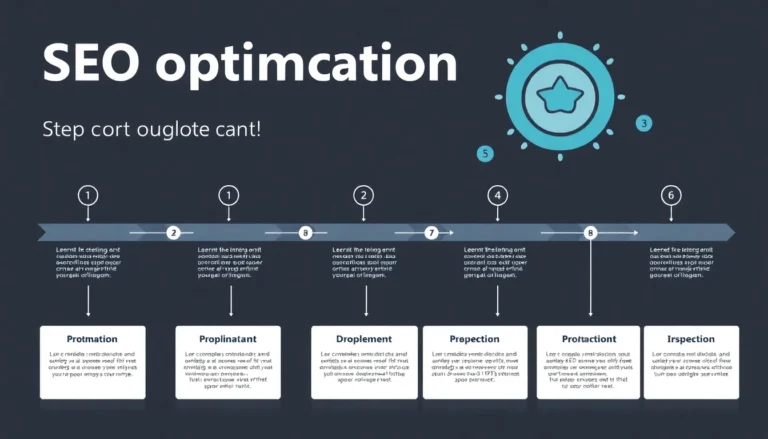
Implementing effective SEO optimization requires a systematic approach. This six-step process provides a proven framework you can follow regardless of your website’s current state or industry. Each step builds on the previous one, creating a comprehensive optimization strategy that addresses technical foundations, content quality, and ongoing measurement.
Step 1: Comprehensive SEO Audit (Week 1)
What: A complete assessment of your website’s current SEO health, identifying technical issues, content gaps, and optimization opportunities across all key ranking factors.
Why: You can’t improve what you don’t measure. An audit establishes your baseline performance and prioritizes the highest-impact fixes. Attempting optimization without understanding current problems wastes resources on low-value activities.
How: Use Google Search Console to identify crawl errors, indexing issues, and mobile usability problems. Run your site through Screaming Frog or a similar crawler to map your site architecture, find broken links, analyze title tags and meta descriptions, and identify duplicate content. Check Core Web Vitals in PageSpeed Insights for performance bottlenecks. Review your current keyword rankings and organic traffic trends in Google Analytics. See also: Search Engine Optimization.
Common mistake: Conducting surface-level audits that miss critical technical issues like redirect chains, orphaned pages, or improper canonicalization. Use comprehensive crawling tools and check multiple data sources.
Pro tip: Create a spreadsheet tracking every issue discovered, categorized by severity (critical, high, medium, low) and estimated implementation time. This becomes your optimization roadmap.
Time estimate: 1 week for thorough audit of a 50-500 page website. Recommended owner: In-house if you’ve technical skills; agency or consultant for complex sites.
Step 2: Keyword and Intent Mapping (Week 2)
What: Research and documentation of target keywords aligned with specific pages and user intent stages (informational, navigational, commercial, transactional).
Why: Matching content to search intent is the foundation of modern SEO optimization. Users searching for “what’s email marketing” have different needs than those searching for “email marketing software pricing.” Your content must satisfy the specific intent behind each query.
How: Use keyword research tools (Semrush, Ahrefs, or free alternatives) to identify search volume, difficulty, and related terms. Analyze top-ranking pages for your target keywords to understand what content format and depth Google favors. Create a keyword map spreadsheet listing each target page, primary keyword, secondary keywords, search intent, and current ranking position.
Common mistake: Targeting high-volume keywords without considering competition level or business relevance. A keyword with 10,000 monthly searches but 90/100 difficulty and low purchase intent may be less valuable than a 500-search keyword with 30/100 difficulty and high conversion potential.
Pro tip: Group keywords into topical clusters around pillar content. For example, a pillar page on “content marketing” connects to cluster pages on “blog writing,” “video marketing,” “content calendar templates,” and “content distribution strategies.”
Time estimate: 1 week for comprehensive research of 20-50 target keywords. Recommended owner: In-house marketer or SEO specialist.
Step 3: Technical SEO Fixes (Weeks 3-4)
What: Resolution of technical issues preventing optimal crawling, indexing, and rendering of your website content.
Why: Even the best content won’t rank if search engines can’t efficiently access and understand it. Technical problems create a ceiling on your SEO performance that content improvements alone can’t overcome.
How: Address critical issues first: fix broken links, resolve duplicate content through canonical tags, improve site speed by optimizing images and leveraging browser caching, ensure mobile responsiveness, implement SSL certificates, create or update XML sitemaps, and configure robots.txt properly. Add structured data markup for your content type (Article, Product, LocalBusiness, etc.).
Common mistake: Attempting to fix everything simultaneously without prioritization. Focus on critical issues affecting crawlability and indexing first, then move to performance optimizations, then enhancement features like structured data.
Pro tip: Test every technical change in a staging environment before deploying to production. A misconfigured robots.txt or canonical tag can accidentally de-index your entire site.
Time estimate: 2 weeks for typical technical fixes on a small-to-medium website. Recommended owner: Developer or technical SEO specialist.
Step 4: On-Page Content and UX Improvements (Weeks 5-8)
What: Optimization of individual page elements including title tags, meta descriptions, headers, body content, images, and internal links to improve relevance and user experience.
Why: On-page optimization directly influences how search engines understand your content’s topic and how users engage with your pages. Well-optimized pages rank higher and convert better.
How: Rewrite title tags to include target keywords and compelling value propositions (50-60 characters). Craft meta descriptions that encourage clicks (150-155 characters). Structure content with clear H2 and H3 headings using semantic keyword variations. Add relevant images with descriptive alt text. Implement strategic internal links to related content. Improve readability with shorter paragraphs, bullet points, and white space.
Common mistake: Over-optimizing content with unnatural keyword usage that damages readability. Write for humans first, then refine for search engines.
Pro tip: Update your highest-traffic pages first to maximize impact. A 10% improvement in rankings for a page receiving 1,000 monthly sessions delivers more value than optimizing a page with 50 sessions.
Time estimate: 4 weeks to optimize 20-30 priority pages thoroughly. Recommended owner: In-house content team or SEO copywriter.
Step 5: Internal Linking and Authority Signal Development (Weeks 9-10)
What: Strategic internal linking to distribute authority throughout your site and external link acquisition to build domain authority. See also: Global Seo Optimization.
Why: Internal links help search engines discover content, understand site structure, and distribute ranking power to important pages. External backlinks from authoritative sites signal trust and expertise in your topic area.
How: Audit existing internal links to identify orphaned pages and over-linked pages. Create a logical linking hierarchy with your most important pages receiving the most internal links. Use descriptive anchor text that includes relevant keywords naturally. For external links, focus on creating linkable assets (original research, comprehensive guides, tools, infographics) and promote them to relevant audiences. Pursue guest posting opportunities on reputable sites in your niche.
Common mistake: Neglecting internal linking while obsessing over backlinks. A strong internal linking structure can significantly improve rankings without a single new external link.
Pro tip: Implement a hub-and-spoke model where pillar pages link to all related cluster pages, and cluster pages link back to the pillar and to each other when contextually relevant.
Time estimate: 2 weeks for internal linking overhaul; external link building is ongoing. Recommended owner: SEO specialist for strategy; content team for execution.
Step 6: Measurement, Iteration, and Scaling (Ongoing)
What: Continuous monitoring of SEO performance metrics, testing optimization hypotheses, and scaling successful tactics.
Why: SEO optimization is never truly finished. Search algorithms evolve, competitors improve their sites, and user behavior changes. Regular measurement and iteration ensure you maintain and improve rankings over time.
How: Set up custom dashboards in Google Analytics and Search Console tracking organic sessions, keyword rankings, click-through rates, conversion rates, and page-level performance. Establish weekly or monthly reporting cadences. Run A/B tests on title tags, meta descriptions, and content formats. Document what works and scale those tactics across more pages.
Common mistake: Measuring vanity metrics like total keyword rankings without connecting SEO performance to business outcomes like leads and revenue.
Pro tip: Create a simple scorecard tracking 5-7 key metrics: organic sessions, organic conversions, average ranking position for target keywords, pages indexed, Core Web Vitals scores, and backlink growth. Review monthly and adjust strategy based on trends.
Time estimate: Ongoing, with 2-4 hours per week for monitoring and reporting. Recommended owner: In-house marketing team or SEO manager.
SEO Optimization for E-Commerce
E-commerce sites face unique SEO optimization challenges that require specialized approaches. Product pages must balance keyword optimization with persuasive sales copy. Category pages need to provide value beyond just product listings to avoid thin content penalties. Faceted navigation (filtering by color, size, price, etc.) can create thousands of duplicate or low-value URLs if not properly managed.
Key e-commerce SEO priorities include:
- Implementing canonical tags and parameter handling in Google Search Console to prevent duplicate content from faceted navigation
- Writing unique, detailed product descriptions that incorporate target keywords naturally while addressing customer questions and objections
- Creating category page content that provides buying guides, comparison information, and educational value beyond product grids
- Using Product schema markup to enable rich snippets showing price, availability, and ratings in search results
- Optimizing product images with descriptive filenames and alt text that include product names and key attributes
- Building internal links from blog content to relevant product and category pages to drive authority to commercial pages
How to Measure SEO Optimization Results
Measuring SEO optimization success requires tracking metrics at each step of the user journey. Start with visibility metrics (impressions in Search Console), then engagement metrics (clicks, CTR), then outcome metrics (conversions, revenue).
Step-level KPIs include:
| Step | Primary KPI | Target |
|---|---|---|
| Audit | Technical issues identified | Complete inventory |
| Keyword Mapping | Target keywords mapped | 100% of priority pages |
| Technical Fixes | Critical errors resolved | 100% within 2 weeks |
| On-Page Optimization | Pages optimized | 20-30 priority pages |
| Internal Linking | Orphaned pages eliminated | 0 orphaned pages |
| Measurement | Organic traffic growth | 10-30% quarter-over-quarter |
Track rankings weekly for your target keywords, but focus on broader traffic and conversion trends rather than obsessing over daily ranking fluctuations. A keyword dropping from position 3 to position 5 matters less than overall organic traffic and conversion trends.
On-Page SEO Optimization and Content Strategy
On-page SEO optimization encompasses all elements you control directly on your web pages. While technical SEO ensures search engines can access your content, on-page optimization ensures they understand what your content is about and recognize it as the best answer for specific queries. This section covers the essential on-page elements and content strategies that drive rankings in 2026.
Title Tags and Meta Descriptions
Title tags remain one of the most important on-page ranking factors. Your title tag should include your target keyword near the beginning, communicate clear value, and stay within 50-60 characters to avoid truncation in search results. Effective title tag formulas include:
- How-to format: “How to [Achieve Desired Outcome]: [Number] [Keyword] [Tips/Strategies/Steps]”
- List format: “[Number] [Keyword] [Benefits/Examples/Tools] for [Target Audience]”
- Question format: “What’s [Keyword]? [Complete/Ultimate] Guide for [Year]”
- Comparison format: “[Option A] vs [Option B]: Which [Keyword] is Best?”
Example title tags:
- “SEO Optimization: Complete 2026 Guide to Rankings & Traffic” (58 characters)
- “10 SEO Optimization Strategies That Actually Work in 2026” (57 characters)
- “What’s SEO Optimization? Beginner’s Guide + Checklist” (54 characters)
Meta descriptions don’t directly impact rankings but significantly influence click-through rates. Write compelling descriptions that include your target keyword, communicate unique value, and incorporate a call-to-action. Keep descriptions between 150-155 characters to avoid truncation.
Example meta description: “Learn proven SEO optimization strategies to improve rankings and traffic. Includes step-by-step process, checklist, and 30/60/90-day plan. Start today.” (154 characters)
Header Structure and Semantic Keywords
Proper header hierarchy (H1, H2, H3) helps search engines understand your content structure and improves readability for users. Your H1 should contain your primary keyword and clearly communicate the page’s main topic. Use only one H1 per page. See also: Video Thumbnail Optimization. Learn more at Search Engine Optimization (SEO) Starter Guide.
H2 headings divide your content into major sections and should include semantic variations of your primary keyword. For example, if your primary keyword is “SEO optimization,” your H2s might include: Learn more at SEO is easy. The EXACT process we use to scale our … -….
- “What is SEO Optimization?” (exact match)
- “Why SEO Optimization Matters in 2026” (exact match with context)
- “SEO Optimization: Step-by-Step Process” (exact match with format)
- “On-Page SEO Optimization Checklist” (semantic variation)
- “Technical SEO Best Practices” (related concept)
H3 headings break down H2 sections into subtopics and provide additional opportunities for long-tail keyword variations. Use descriptive H3s that clearly communicate what each subsection covers. Learn more at SEO tips for small businesses – BDC.
Content Structure and Answer Blocks
Modern SEO optimization requires structuring content for both human readers and search engine features. Answer blocks—concise paragraphs that directly answer specific questions—increase your chances of appearing in featured snippets and AI-generated summaries. Learn more at What Is SEO? Search Engine Optimization Best Practices – Moz.
Effective content structure includes:
- TL;DR summaries: Brief overview at the top of long articles (40-60 words) that can be extracted for featured snippets
- Passage-friendly paragraphs: Self-contained blocks of 3-5 sentences that address specific sub-questions, making it easy for Google to extract relevant passages
- Strategic use of lists: Bullet points and numbered lists that break down complex information and are easily scannable
- Clear transitions: Logical flow between sections that guides readers through your content naturally
- Visual hierarchy: Appropriate use of bold text, italics, and formatting to emphasize key points without over-optimization
Example answer block optimized for the question “What’s SEO optimization?”:
“SEO optimization is the process of improving a website’s on-page content, technical performance, and authority signals so search engines can index and rank it higher for relevant queries. It encompasses keyword research, content creation, technical improvements, link building, and user experience optimization. When done correctly, SEO drives organic traffic, qualified leads, and measurable business results without ongoing advertising costs.”
Entity-First Content and Topical Authority
Search engines now evaluate content based on entities (people, places, organizations, concepts) and relationships between them rather than just keyword matching. Entity-first content optimization means:
- Using consistent terminology when referring to entities (e.g., always calling “Google Search Console” by its full name before using abbreviations)
- Explicitly defining key concepts and entities early in your content
- Linking to authoritative sources that establish entity relationships
- Building comprehensive content that covers all relevant entity attributes and relationships
- Creating content clusters that demonstrate topical authority across related entities
For example, an article about SEO optimization should reference and explain related entities like Google Search Console, Google Analytics, organic traffic, keyword research, backlinks, and Core Web Vitals. Each entity should be introduced clearly and used consistently throughout the content.
Content Types and Formats
Different content types serve different purposes in your SEO optimization strategy:
- Pillar pages: Comprehensive guides (2,000-5,000 words) covering broad topics that link to related cluster content. These establish topical authority and target high-volume, competitive keywords.
- Cluster pages: Focused articles (1,000-2,000 words) covering specific subtopics that link back to pillar pages and to each other. These target long-tail keywords and address specific user questions.
- FAQ pages: Question-and-answer format content that targets voice search queries and featured snippet opportunities.
- Comparison pages: Head-to-head evaluations of products, services, or approaches that target commercial intent keywords.
- How-to guides: Step-by-step tutorials with clear instructions that target informational queries and can use HowTo schema markup.
- List articles: Numbered lists of tips, tools, examples, or resources that are highly shareable and snippet-friendly.
Content Optimization Checklist
Use this checklist to ensure every piece of content is properly optimized:
- ☑ Primary keyword in title tag (near the beginning)
- ☑ Primary keyword in H1 (exactly or close variation)
- ☑ Primary keyword in first paragraph (within first 100 words)
- ☑ Primary keyword in at least one H2 heading
- ☑ Secondary keywords distributed naturally throughout content
- ☑ Meta description includes keyword and call-to-action (150-155 characters)
- ☑ URL slug includes primary keyword (short and descriptive)
- ☑ Images include descriptive alt text with relevant keywords
- ☑ Internal links to related content (3-5 contextual links minimum)
- ☑ External links to authoritative sources (2-3 minimum)
- ☑ Content length appropriate for topic depth (typically 1,500+ words for competitive topics)
- ☑ Clear header hierarchy (H1 → H2 → H3, no skipped levels)
- ☑ Scannable formatting (short paragraphs, bullet points, white space)
- ☑ Answer blocks for featured snippet targeting
- ☑ Schema markup appropriate for content type
Content Optimization for Featured Snippets
Featured snippets appear above organic results in “position zero” and can dramatically increase your visibility and click-through rate. To optimize for featured snippets:
- Identify snippet opportunities: Use tools like Semrush or Ahrefs to find keywords where competitors own snippets or where snippets exist but you’re ranking in positions 1-5.
- Match the snippet format: Google displays three main snippet types—paragraphs (definitions and answers), lists (steps, rankings, items), and tables (comparisons, specifications). Format your content to match the existing snippet type.
- Provide concise answers: Write 40-60 word paragraph answers or 5-8 item lists that directly address the query. Place these immediately after an H2 heading that phrases the question.
- Use clear formatting: Employ numbered lists for steps, bullet points for non-sequential items, and tables for comparisons. Ensure formatting is clean in your HTML.
- Include context: While the snippet itself should be concise, provide additional context and detail in the paragraphs following your answer block.
- Update regularly: Featured snippets favor fresh content, so update your snippet-targeted content every 3-6 months with new data or examples.
Keyword Research and Intent Mapping
Effective SEO optimization begins with understanding what your audience searches for and why. Keyword research in 2026 goes beyond finding high-volume terms; it requires mapping keywords to user intent and content types.
The four types of search intent are:
- Informational: User wants to learn something (e.g., “what’s SEO optimization,” “how to improve rankings”). Target with educational content, guides, and tutorials.
- Navigational: User wants to find a specific website or page (e.g., “Google Search Console login,” “Moz blog”). Target with branded pages and clear site structure.
- Commercial: User is researching options before purchase (e.g., “best SEO tools,” “Semrush vs Ahrefs”). Target with comparison pages, reviews, and tool roundups.
- Transactional: User is ready to take action (e.g., “hire SEO consultant,” “buy Ahrefs subscription”). Target with service pages, pricing pages, and product pages.
Keyword research tools and techniques:
- Google Keyword Planner: Free tool showing search volume and competition for Google Ads (useful for SEO as well)
- Google Search Console: Shows actual queries driving traffic to your site, revealing optimization opportunities
- Semrush/Ahrefs: Premium tools providing keyword difficulty scores, SERP analysis, and competitor keyword gaps
- Answer the Public: Visualizes question-based queries around seed keywords
- Google autocomplete: Type your seed keyword and note autocomplete suggestions for related searches
- People Also Ask boxes: Reveal related questions users are asking about your topic
Create a keyword mapping spreadsheet with columns for: target page, primary keyword, search volume, keyword difficulty, search intent, current ranking, and priority level. This becomes your content optimization roadmap.
Technical SEO Best Practices
Technical SEO optimization ensures search engines can efficiently crawl, index, and understand your website. While on-page optimization focuses on content quality and relevance, technical SEO addresses the infrastructure that makes that content accessible. Even the most valuable content won’t rank if search engines can’t properly access and process it.
Crawlability and Indexability
Search engines discover and rank content through crawling (following links to find pages) and indexing (storing and organizing that content). Technical issues can prevent pages from being crawled or indexed, effectively making them invisible to search engines.
Essential crawlability and indexability optimizations:
- Robots.txt configuration: This file tells search engines which pages to crawl and which to ignore. Ensure you’re not accidentally blocking important pages. Test your robots.txt file in Google Search Console’s robots.txt Tester.
- XML sitemaps: Submit comprehensive XML sitemaps to Google Search Console and Bing Webmaster Tools listing all important pages. Update sitemaps automatically when you publish new content.
- Canonical tags: Use rel=”canonical” tags to indicate the preferred version of duplicate or similar pages. This prevents duplicate content penalties and consolidates ranking signals.
- Meta robots tags: Use noindex tags only on pages you intentionally want to exclude from search results (admin pages, thank you pages, duplicate content you can’t remove).
- Crawl budget optimization: For large sites (10,000+ pages), eliminate crawl waste by fixing redirect chains, removing duplicate content, and blocking low-value pages from crawling.
- Internal link structure: Ensure every important page is reachable within 3-4 clicks from your homepage. Orphaned pages with no internal links pointing to them may not be crawled.
Common indexability issues to check:
- Pages blocked by robots.txt or noindex tags that should be indexed
- Redirect chains or loops preventing access to content
- Server errors (5xx) or client errors (4xx) on important pages
- Pages requiring JavaScript rendering that search engines can’t access
- Duplicate content without proper canonical tags
Mobile-First Optimization and Core Web Vitals
Google uses mobile-first indexing, meaning it primarily evaluates the mobile version of your site for ranking purposes. Additionally, Core Web Vitals—metrics measuring page loading performance, interactivity, and visual stability—are confirmed ranking factors.
The three Core Web Vitals metrics are:
- Largest Contentful Paint (LCP): Measures loading performance. Target: 2.5 seconds or less. Improve by optimizing images, removing render-blocking resources, and upgrading hosting.
- Interaction to Next Paint (INP): Measures interactivity and responsiveness. Target: 200 milliseconds or less. Improve by minimizing JavaScript execution time and optimizing third-party scripts.
- Cumulative Layout Shift (CLS): Measures visual stability. Target: 0.1 or less. Improve by specifying image dimensions, avoiding dynamically injected content, and using font-display: swap for web fonts.
Mobile optimization best practices:
- Use responsive design that adapts to all screen sizes
- Ensure tap targets (buttons, links) are at least 48×48 pixels
- Avoid intrusive interstitials that cover content on mobile devices
- Use legible font sizes (minimum 16px for body text)
- Test mobile usability in Google Search Console’s Mobile Usability report
- Optimize for thumb-friendly navigation with important elements within easy reach
Actionable Core Web Vitals improvements:
- Compress and serve images in next-gen formats (WebP, AVIF)
- Implement lazy loading for images below the fold
- Minimize CSS and JavaScript files
- Use a content delivery network (CDN) to reduce server response time
- Enable browser caching for static resources
- Defer or async load non-critical JavaScript
- Reduce third-party script impact by loading them asynchronously
- Optimize server response time (aim for under 200ms TTFB)
Site Architecture and Internal Linking
Logical site architecture helps search engines understand your content hierarchy and distributes ranking authority effectively throughout your site. A well-planned structure also improves user experience by making content easy to find. See also: Google Assistant Optimization.
Effective site architecture principles:
- Flat structure: Keep important pages within 3-4 clicks of the homepage. Deeper pages receive less crawl priority and authority.
- Topic-based organization: Group related content into clear categories and subcategories that reflect user mental models.
- Breadcrumb navigation: Implement breadcrumbs showing the path from homepage to current page, helping both users and search engines understand site hierarchy.
- Hub-and-spoke model: Create pillar pages covering broad topics that link to related cluster pages, with cluster pages linking back to pillars.
- Siloing: Keep topically related content grouped together with internal links primarily within the same topic silo.
Strategic internal linking distributes authority (PageRank) from high-authority pages to pages you want to rank. Internal linking best practices:
- Link from high-traffic pages to important pages you want to rank
- Use descriptive anchor text that includes relevant keywords naturally
- Add contextual links within content, not just navigation menus
- Ensure every page has at least 2-3 internal links pointing to it
- Link to deep pages, not just top-level category pages
- Regularly audit for broken internal links and fix them promptly
Structured Data and Schema Markup
Structured data helps search engines understand your content’s meaning and context, enabling rich results like featured snippets, knowledge panels, and enhanced SERP displays. Implementing schema markup is an advanced SEO optimization technique that can significantly improve visibility.
Essential schema types for most websites:
- Article/BlogPosting: Identifies articles and blog posts, enabling article rich results and news carousels
- HowTo: Marks up step-by-step instructions, potentially earning enhanced how-to rich results
- FAQ: Structures frequently asked questions, potentially expanding your SERP presence with FAQ rich results
- LocalBusiness: Provides business information for local SEO, including address, hours, and contact information
- Product: Marks up product information for e-commerce, enabling product rich snippets with price and availability
- Organization: Identifies your organization and can enable knowledge panel features
- BreadcrumbList: Marks up breadcrumb navigation, improving SERP display of your site structure
Implement schema markup using JSON-LD format (Google’s recommended approach) placed in the <head> section or immediately after the content it describes. Always test your structured data using Google’s Rich Results Test tool before publishing.
Security and Performance Optimization
Site security and performance directly impact both user experience and search rankings. Google has confirmed that HTTPS is a ranking signal, and Core Web Vitals (performance metrics) are factored into rankings.
Security essentials:
- HTTPS/SSL certificate: Encrypt all pages with SSL certificates. Google Chrome marks non-HTTPS sites as “Not Secure,” damaging trust and potentially rankings.
- Security headers: Implement security headers like Content-Security-Policy and X-Frame-Options to protect against common vulnerabilities.
- Regular updates: Keep your CMS, plugins, and themes updated to patch security vulnerabilities.
- Strong authentication: Use strong passwords and implement two-factor authentication for admin access.
Performance optimization techniques:
- Image optimization: Compress images without quality loss using tools like TinyPNG or ImageOptim. Serve images in next-gen formats (WebP). Implement lazy loading.
- Caching: Enable browser caching and server-side caching to reduce load times for returning visitors.
- Minification: Minify CSS, JavaScript, and HTML to reduce file sizes.
- CDN: Use a content delivery network to serve static assets from servers geographically close to users.
- Database optimization: Regularly clean and optimize your database, especially for WordPress and other CMS platforms.
- Hosting quality: Invest in quality hosting with adequate resources and fast server response times.
Local SEO Optimization Checklist
Local businesses need specialized SEO optimization tactics to appear in local search results and Google Maps. Local SEO focuses on geographic relevance signals.
Essential local SEO optimizations:
- Google Business Profile: Claim and fully optimize your Google Business Profile with accurate business information, categories, hours, photos, and regular posts.
- NAP consistency: Ensure your Name, Address, and Phone number are identical across your website, Google Business Profile, and all citation sources.
- Local citations: Get listed in relevant local directories (Yelp, Yellow Pages, industry-specific directories) with consistent NAP information.
- Reviews: Actively request and respond to Google reviews. Review quantity, quality, and recency all impact local rankings.
- Local content: Create content targeting local keywords (e.g., “plumber in Austin Texas”) and local topics.
- LocalBusiness schema: Implement LocalBusiness structured data with your complete business information.
- Location pages: For multi-location businesses, create unique, valuable pages for each location with distinct content.
- Local link building: Earn links from local organizations, chambers of commerce, local news sites, and community websites.
Local SEO KPIs to track: Google Business Profile views, direction requests, phone calls, website clicks, local pack rankings, and reviews received.
Advanced SEO Optimization Techniques
Once you’ve mastered fundamental SEO optimization practices, these advanced techniques can help you gain competitive advantages and scale your organic traffic growth. These strategies require more expertise and resources but deliver significant returns for businesses ready to invest in sophisticated SEO.
Semantic Optimization and Topical Authority
Semantic optimization goes beyond individual keywords to focus on topics, entities, and the relationships between them. Building topical authority means creating comprehensive content coverage that demonstrates expertise across an entire subject area, not just isolated keywords.
Implementing semantic SEO optimization:
- Entity mapping: Identify the core entities related to your business (products, services, concepts, people) and create definitive content for each entity.
- Topic clusters: Organize content into hub-and-spoke models where pillar pages cover broad topics and link to cluster pages covering specific subtopics.
- Co-occurrence optimization: Include entities and terms that frequently appear together in authoritative content about your topic (e.g., “SEO optimization” content should naturally mention Google Search Console, organic traffic, backlinks, etc.).
- Contextual relationships: Use internal linking to explicitly connect related entities and topics, helping search engines understand relationships.
- Comprehensive coverage: Address all aspects of a topic thoroughly rather than creating shallow content on many loosely related keywords.
Building topical authority requires patience and consistency. Create a content roadmap covering all subtopics within your niche, then systematically publish high-quality content on each subtopic. Over time, search engines recognize your site as an authoritative source for the entire topic area, boosting rankings across all related keywords.
Content Pruning and Consolidation Strategy
Not all content improves your SEO performance. Low-quality, thin, or outdated content can actually harm your rankings by diluting your site’s overall quality signals and wasting crawl budget. Content pruning involves strategically removing or consolidating underperforming content.
When to prune content:
- Thin content: Pages with less than 300 words that don’t provide unique value
- Duplicate content: Multiple pages targeting the same keyword or covering identical information
- Outdated content: Information that’s no longer accurate or relevant (old product pages, obsolete tutorials)
- Zero-traffic pages: Pages receiving no organic traffic for 12+ months despite optimization efforts
- Cannibalized content: Multiple pages competing for the same keyword, splitting ranking signals
Content pruning strategies:
- Delete: Remove pages with no value and no inbound links. Ensure proper 410 (Gone) status codes or 301 redirects to relevant alternatives.
- Consolidate: Merge multiple thin pages on similar topics into one comprehensive page. Implement 301 redirects from old URLs to the consolidated page.
- Update: Refresh outdated content with current information, new examples, and improved optimization. Update the publication date to signal freshness.
- Noindex: For pages you need to keep but don’t want in search results (customer portals, thank you pages), add noindex meta tags.
Conduct content audits quarterly, analyzing metrics like organic traffic, rankings, conversions, and engagement. Prioritize updating high-traffic pages first, then consolidate or remove low-performers.
International SEO and Hreflang Implementation
Businesses serving multiple countries or languages need international SEO optimization to ensure users see content in their preferred language and search engines understand which version to show in each market.
International SEO best practices:
- URL structure: Choose between country-code top-level domains (example.co.uk), subdomains (uk.example.com), or subdirectories (example.com/uk/). Subdirectories are generally easiest to manage and maintain domain authority.
- Hreflang tags: Implement hreflang annotations to tell search engines which language and regional versions of pages exist. This prevents duplicate content issues and ensures the correct version appears in each market’s search results.
- Content localization: Don’t just translate content—adapt it for local culture, idioms, currency, measurements, and search behavior. Research local keywords rather than directly translating English keywords.
- Local hosting: Consider hosting content on servers in target countries to improve page speed for local users.
- Country-specific link building: Earn backlinks from websites in each target country to build local authority signals.
Hreflang implementation example for a page with English US, English UK, and Spanish versions: See also: Alexa Skill Optimization.
<link rel="alternate" hreflang="en-us" href="https://example.com/page" />
<link rel="alternate" hreflang="en-gb" href="https://example.com/uk/page" />
<link rel="alternate" hreflang="es" href="https://example.com/es/page" />
<link rel="alternate" hreflang="x-default" href="https://example.com/page" />
Automating SEO Reporting and Scaling Content Workflows
As your SEO optimization efforts scale, manual processes become bottlenecks. Automation tools and systematic workflows help you maintain quality while increasing output.
SEO reporting automation:
- Google Data Studio (Looker Studio): Create automated dashboards pulling data from Google Analytics, Search Console, and other sources. Schedule automatic email delivery of reports.
- Rank tracking automation: Use tools like Semrush or Ahrefs to automatically track keyword rankings daily or weekly and alert you to significant changes.
- Technical monitoring: Implement tools like Screaming Frog Cloud or Sitebulb to automatically crawl your site regularly and alert you to technical issues.
- Backlink monitoring: Set up automatic alerts for new backlinks, lost backlinks, and competitor link activity.
Content workflow scaling:
- Editorial calendars: Use project management tools (Asana, Trello, Monday.com) to plan content production months in advance with clear ownership and deadlines.
- Content templates: Create standardized templates for common content types (how-to guides, product comparisons, case studies) to maintain quality and speed production.
- SEO briefs: Develop detailed content briefs for writers including target keywords, search intent, competitive analysis, required sections, and word count targets.
- Quality checklists: Implement pre-publish checklists ensuring every piece meets SEO standards before going live.
- Batch processing: Group similar tasks (keyword research, image optimization, internal linking) and complete them in batches for efficiency.
Link Acquisition Strategy Overview
While this guide focuses primarily on on-page and technical optimization, link building remains an important component of comprehensive SEO optimization. Quality backlinks from authoritative sites signal trust and expertise to search engines.
High-level link acquisition approaches:
- Content marketing: Create genuinely valuable resources (original research, comprehensive guides, free tools, infographics) that naturally attract links when promoted to the right audiences.
- Digital PR: Pitch newsworthy stories, expert commentary, or data to journalists and bloggers in your industry.
- Guest posting: Write high-quality articles for reputable sites in your niche, including natural links back to relevant resources on your site.
- Broken link building: Find broken links on relevant websites, create content replacing the dead resource, and suggest your content as a replacement.
- Unlinked mentions: Find places where your brand is mentioned without a link and request the author add one.
- Resource page outreach: Identify resource pages listing helpful links in your niche and suggest your content for inclusion.
Focus on quality over quantity. Ten links from authoritative, relevant sites provide more value than 100 links from low-quality directories or blog networks. Avoid black-hat tactics like buying links or participating in link schemes, which can result in manual penalties.
When to Hire an SEO Expert vs. DIY
Deciding whether to handle SEO optimization in-house or hire external expertise depends on your resources, complexity, and opportunity cost.
Consider DIY SEO if:
- You’ve time to learn and implement SEO fundamentals
- Your website is relatively simple (under 500 pages)
- You operate in a low-competition niche
- Your budget is under $500/month for SEO
- You’re comfortable with basic technical tasks
Consider hiring an SEO professional if:
- You need faster results than DIY learning allows
- Your website is large or technically complex
- You compete in a highly competitive industry
- You’ve attempted DIY SEO without results
- Your time is better spent on core business activities
- You need specialized expertise (international SEO, enterprise SEO, technical audits)
Vetting SEO providers checklist:
- Ask for case studies with measurable results (traffic, rankings, conversions)
- Request references from current or past clients
- Verify they follow Google’s guidelines and avoid black-hat tactics
- Ensure they provide transparent reporting and regular communication
- Confirm they’ve expertise in your industry or niche
- Understand their process and what deliverables you’ll receive
- Clarify contract terms, including length and cancellation policies
| Factor | DIY SEO | Hire Expert |
|---|---|---|
| Monthly Cost | $0-$500 (tools) | $500-$10,000+ |
| Time Investment | 10-40 hours/month | 2-5 hours/month (oversight) |
| Technical Complexity | Basic to moderate | All levels |
| Speed to Results | Slower (learning curve) | Faster (immediate expertise) |
| Best For | Small sites, tight budgets | Complex sites, competitive niches |
Measuring SEO Success: KPIs, Dashboards and Attribution
Effective SEO optimization requires measuring the right metrics and understanding what success looks like at each stage of your strategy. Vanity metrics like total keyword rankings or domain authority scores don’t directly impact business outcomes. Focus on metrics that connect to actual business value: traffic, leads, and revenue from organic search.
Primary SEO KPIs
These core metrics should be tracked monthly (or weekly for active campaigns) to evaluate SEO performance:
- Organic sessions: Total visits from organic search traffic. This is your primary volume metric showing the reach of your SEO efforts. Track overall trends and segment by landing page, device, and geographic location.
- Organic conversions: Completed goal actions from organic traffic (form submissions, purchases, downloads, signups). This connects SEO to business outcomes and calculates ROI.
- Assisted conversions: Conversions where organic search played a role in the customer journey but wasn’t the final touchpoint. This reveals SEO’s contribution to multi-touch attribution.
- Keyword rankings: Positions for target keywords in search results. Track your top 20-50 priority keywords weekly. Focus on trends (improving/declining) rather than daily fluctuations.
- Click-through rate (CTR): Percentage of impressions that result in clicks. Average CTR varies by position (position 1 averages 28-35%, position 5 averages 5-8%). Improving CTR increases traffic without ranking changes.
- Impressions: How many times your pages appear in search results. Growing impressions indicates expanding visibility even before ranking improvements.
Secondary SEO Metrics
These supporting metrics provide context and help diagnose issues:
- Bounce rate: Percentage of single-page sessions. High bounce rates may indicate poor content-intent match or UX issues. Compare to industry benchmarks (40-60% is typical for blogs).
- Average session duration: How long visitors spend on your site. Longer sessions generally indicate higher engagement and content value.
- Pages per session: Average number of pages viewed per visit. Higher numbers suggest effective internal linking and engaging content.
- Pages indexed: Number of your pages in Google’s index. Track via Google Search Console. Significant drops indicate indexing problems.
- Core Web Vitals scores: LCP, INP, and CLS metrics. Monitor in Search Console and PageSpeed Insights. Failing pages should be prioritized for optimization.
- Backlink growth: Net new backlinks acquired. Track total referring domains (quality) more than total backlinks (quantity).
- Top landing pages: Which pages receive the most organic traffic. Double down on optimizing and promoting top performers.
Sample SEO Dashboard Setup
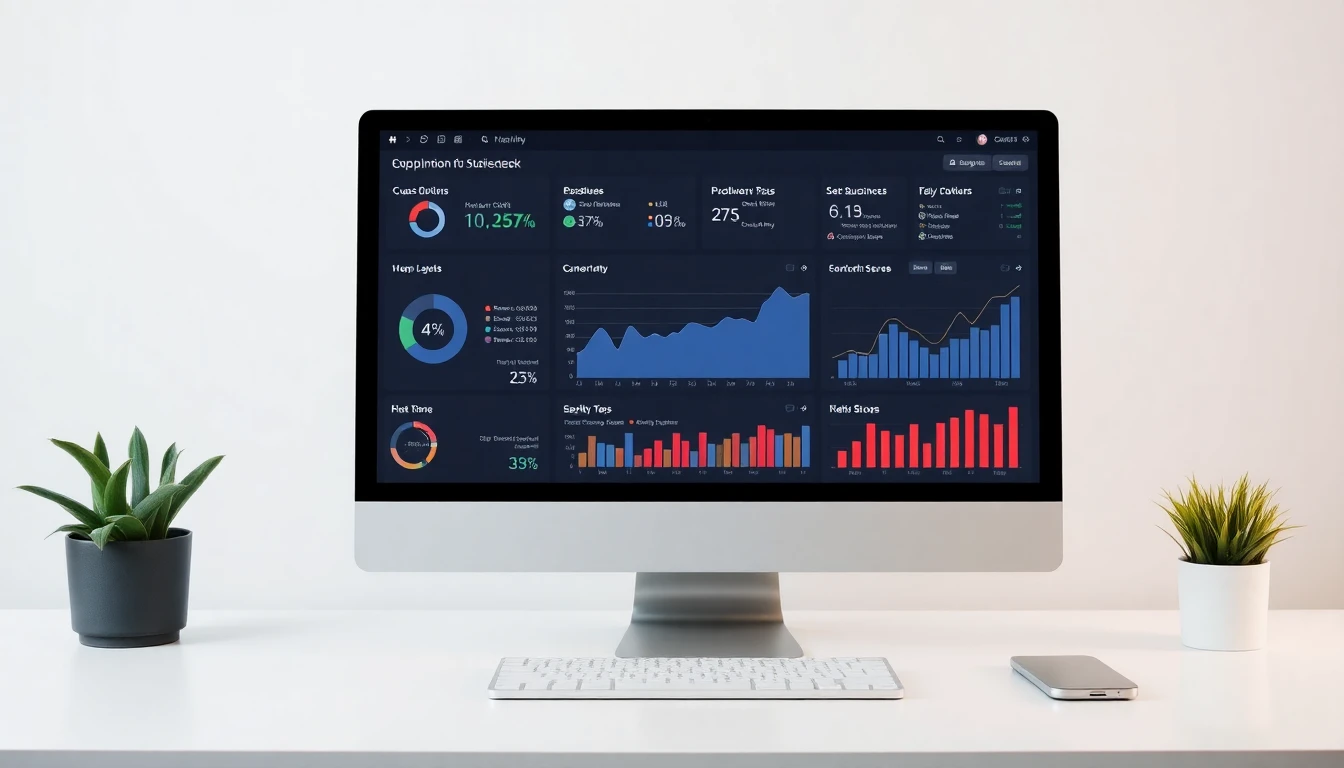
Create a centralized dashboard pulling data from Google Analytics 4, Google Search Console, and rank tracking tools. A well-designed dashboard provides at-a-glance status updates and detailed drill-down capabilities.
Recommended dashboard sections:
- Executive summary: Month-over-month comparison of organic sessions, conversions, and conversion rate. Include year-over-year comparison to account for seasonality.
- Traffic trends: Line graph showing organic sessions over the past 12 months with annotations for major algorithm updates or site changes.
- Keyword performance: Table showing top 20 target keywords with current ranking, previous ranking, change, search volume, and estimated traffic.
- Top landing pages: Table of top 10 organic landing pages by sessions, including bounce rate, average time on page, and conversion rate.
- Conversion funnel: Visualization showing organic visitors → engaged sessions → goal completions → revenue (if e-commerce).
- Technical health: Core Web Vitals scores, crawl errors, pages indexed, and mobile usability issues from Search Console.
- Competitive benchmarking: Comparison of your visibility metrics against top 3-5 competitors (requires paid tools like Semrush).
Tools for building SEO dashboards:
- Google Looker Studio (free): Connects to Analytics, Search Console, and other data sources. Highly customizable with shareable links.
- Google Analytics 4: Built-in reports and custom explorations. Create custom reports focusing on organic traffic segments.
- Semrush/Ahrefs dashboards: Pre-built templates for rank tracking, backlink monitoring, and competitive analysis.
- Supermetrics: Pulls SEO data into Google Sheets or Data Studio from multiple sources for advanced custom reporting.
Measurement Pitfalls to Avoid
Common mistakes that lead to misinterpretation of SEO optimization results:
- Ignoring seasonality: Many businesses have seasonal traffic patterns. Compare year-over-year rather than month-over-month to account for natural fluctuations.
- Attribution errors: Incorrectly attributing all conversions to the last touchpoint. Use multi-touch attribution models to understand SEO’s role in the customer journey.
- Incorrect filters: Including internal traffic, bot traffic, or spam referrals in your data. Implement proper filters in Google Analytics to ensure clean data.
- Focusing on rankings alone: A keyword can rank #1 but drive zero conversions if it doesn’t match commercial intent. Prioritize keywords that drive qualified traffic.
- Short-term thinking: SEO typically takes 3-6 months to show significant results. Judging success after 30 days leads to premature strategy changes.
- Vanity metrics: Celebrating increases in total keywords ranked without checking if they’re valuable keywords driving traffic and conversions.
Running SEO Experiments and Attributing Wins
To truly understand what’s working in your SEO optimization efforts, implement controlled experiments and carefully attribute results to specific actions.
SEO testing methodology:
- Hypothesis: