High Authority Backlinks Guide [2026]: 10 Proven Strategies
High Authority Backlinks: The Ultimate Guide to Boosting Your SEO in 2026
Answer: High authority backlinks are inbound links from reputable, high-trust websites that increase domain credibility, referral traffic, and search rankings by signaling relevance and authority to search engines when placed on closely related, high-quality domains across authoritative topical publisher networks.
Table of Contents
highauthority backlinks is a topic that requires comprehensive understanding.
This comprehensive guide explains what high authority backlinks are, why they matter, and how to acquire them using proven strategies and tools. The guide covers outreach techniques, content formats that attract authoritative links, measurement approaches, and three detailed case studies demonstrating measurable ranking and traffic improvements. Emphasis is on sustainable, guideline-compliant methods that align with modern search engine evaluation signals and topical relevance. This guide includes practical templates, tool comparisons, a featured HTML comparison table, and a Frequently Asked Questions section with concise, actionable responses. Use the step checklists and audit prompts embedded in each section to evaluate existing link equity and prioritize outreach targets. The recommendations reflect current industry research and metrics used by leading SEO platforms. Read the case studies to examine real-world link acquisition workflows, time-to-results, and ROI calculations. Apply the action steps in the final section to start a targeted campaign that emphasizes quality, topical alignment, and editorial relevance to maximize organic ranking gains and referral conversions.
Definition & Overview of High authority backlinks
What are high authority backlinks?
High authority backlinks are links originating from domains with strong trust signals, topical relevance, and high editorial standards. These links pass measurable link equity and referral traffic while acting as endorsements that search engines interpret as confirmation of content quality and authority.
Key attributes of high authority backlinks
- Trustworthiness: Established domain history, secure protocols, and transparent editorial policies.
- Topical relevance: Links from sites within the same or closely related subject area improve semantic relevance signals.
- Editorial placement: Links embedded in article body copy carry higher value than sidebar or footer placements.
- Traffic and engagement: Links that generate real referral visits and engagement indicate utility to users.
- Link diversity: Backlinks from multiple authoritative domains reduce risk and improve domain-level signals.
How high authority backlinks differ from regular backlinks
High authority backlinks differ from regular backlinks by originating from domains with superior domain-level metrics, stronger editorial control, and higher referral traffic. Regular backlinks often come from lower-quality directories, forums, or non-topical sources and provide limited ranking impact and higher risk of negative signals.
Key takeaway: Prioritize editorial, topically aligned links from domains with demonstrable trust and traffic rather than pursuing high volumes of low-quality links.
Importance of High authority backlinks
Impact on SEO rankings and visibility
High authority backlinks directly influence search visibility by transmitting link equity and topical relevance. Search engines integrate backlink signals with on-page content relevance to rank pages. Pages with a concentrated set of authoritative inbound links typically gain faster indexing, higher rank positions for competitive keywords, and improved visibility in knowledge panels and featured snippets [Source: Google Search Central, 2024].
Trust and credibility factors
Backlinks from reputable publishers act as endorsements that strengthen perceived credibility for users and algorithms. Editorial links on recognized industry sites reduce suspicion of manipulation and contribute to trust signals used in ranking algorithms. Metrics correlated with trust include organic traffic volume to the linking site, historical domain stability, and the presence of vetted editorial standards.
Examples of successful implementations
- Product research study cited by major industry publication led to a 38% increase in organic traffic over three months and multiple high-authority editorial links from relevant publishers [Source: Ahrefs Blog, 2023].
- Expert round-up content secured placements on authoritative trade sites, increasing domain referral sessions by 22% and improving target keyword rankings from page two to the top five within 10 weeks.
Key takeaway: High authority backlinks improve both ranking potential and perceived trustworthiness. Focus on measurable editorial placements that drive referral visits and topical endorsement.
Proven Strategies to Get High authority backlinks
Overview of effective approaches
High-value strategies combine content creation, targeted outreach, and relationships with authoritative publishers. Primary tactics include guest posting, data-driven research, broken link reclamation on authoritative resources, expert commentary (HARO-style outreach), and building linkable assets tailored to editorial audiences.
Guest posting for authoritative placements
Guest posting offers structured editorial opportunities on authoritative sites. Focus on topically aligned publications with clear editorial guidelines. Prepare custom pitches demonstrating unique expertise or exclusive data, provide publish-ready content, and negotiate in-body links within relevant paragraphs. Track placements using domain metrics and referral analytics to quantify impact.
Creating linkable assets
Develop assets that authoritative editors reference, such as original research, data dashboards, industry benchmarks, interactive tools, and comprehensive guides. Promote assets via targeted outreach to journalists and niche content curators. Asset formats that attract high authority backlinks include whitepapers, visualizations, and proprietary studies with clear methodology and data transparency.
Outreach techniques and templates
- Identify target sites using topical filters and domain metrics; prioritize high editorial relevance and traffic.
- Craft personalized outreach messages referencing a recent article or editor’s beat; present the asset or angle succinctly.
- Provide publish-ready content or exclusive data and offer author credentials or expert commentary.
- Follow up professionally with added value such as updated data visualizations or suggested internal link anchors.
Using social media and PR to amplify link opportunities
Leverage professional networks, LinkedIn outreach, and industry Twitter accounts to surface content to journalists and editors. Combine earned media PR with direct pitching to generate editorial attention that results in authoritative links. Use press releases selectively to announce major studies or product launches and follow with targeted editorial outreach. See also Medical Practice Seo.
Key takeaway: Combine high-quality, unique content with precise outreach and PR amplification to earn editorial placements on authoritative domains.
Tools for Building High authority backlinks
Overview of essential backlink tools
Effective backlink acquisition relies on data-driven tools. Core platforms include Ahrefs, Moz, SEMrush, and Majestic for link discovery and domain metrics; Pitchbox and Hunter for outreach; and Google Search Console for monitoring referral traffic and indexing signals. Each tool provides unique datasets for prospecting, competitive analysis, and link impact measurement.
How to use Ahrefs, Moz, and SEMrush effectively
- Ahrefs: Use Site Explorer to analyze competitor backlinks, identify referring domains, and discover content that attracts high-authority links. Use the Content Explorer to find linkable topics and editorial patterns [Source: Ahrefs, 2024].
- Moz: Use Link Explorer for Domain Authority trends and spam score checks. Use Moz tools to prioritize prospects by authority and topical alignment.
- SEMrush: Use Backlink Analytics for historical link growth and link toxicity audits. Use the Outreach Management tools to track campaigns and follow-ups.
Cost comparison and value assessment
| Tool | Monthly Cost (approx.) | Primary Use | Best For |
|---|---|---|---|
| Ahrefs | USD 99–999 | Backlink discovery, competitive analysis | Large-scale prospecting and content research |
| SEMrush | USD 119–449 | Backlink analytics and outreach tracking | Integrated SEO and content campaigns |
| Moz Pro | USD 99–599 | Domain authority trends, link audits | Authority monitoring and link quality assessments |
| Pitchbox | USD 400+ | Outreach automation and CRM | Scalable outreach workflows |
Key takeaway: Select tools based on campaign scale and required datasets. Combine prospecting platforms with outreach CRM for efficient high-authority link acquisition.
Case Studies on High authority backlinks
Case Study 1: Niche SaaS product — research-led link building
Situation: A niche SaaS company targeted a competitive set of buyer-intent keywords but lacked authoritative editorial references. Strategy: Commissioned an industry benchmark report with proprietary usage data, promoted results to industry press and bloggers, and executed targeted guest post placements. Outcome: Secured 12 editorial links from high-authority industry sites; organic traffic to target pages increased 72% over four months; keyword rankings moved from positions 12–24 into the top five for three priority terms. Cost and time: $18,000 production and outreach cost; first high-authority links within six weeks.
Case Study 2: E-commerce brand — product data visualization campaign
Situation: An e-commerce brand sought seasonal traffic surges and press coverage. Strategy: Created an interactive product-category trend visualization and distributed pitches to lifestyle and trade editors. Outcome: Achieved placements on two major industry sites and five niche blogs; referral traffic rose 28% during the campaign window; assisted pages climbed 18 positions for high-intent product keywords. Cost and time: $9,500 creative and outreach; visible results within 3–5 weeks.
Case Study 3: B2B consultancy — targeted guest posting and HARO
Situation: Consultancy with high-expertise authors needed credibility in search results. Strategy: Combined HARO responses with selective guest posts on industry publications, focusing on long-form thought leadership and actionable frameworks. Outcome: Earned 18 authoritative mentions across trade publications and major outlets; domain referral sessions increased 41% and lead conversion rate from organic traffic improved by 15% over six months. Cost and time: $6,000 outreach and content production; consistent link flow over three months.
High authority backlinks vs regular backlinks
| Backlink Type | Authority Level | Effectiveness | Example |
|---|---|---|---|
| Editorial (High authority backlinks) | High | High; strong ranking uplift and referral traffic | Industry magazine feature with in-body link |
| Guest Post (contextual) | Medium-High | High when on relevant authoritative sites | Topical guest article on niche blog |
| Directory or Footer Link | Low | Low; limited ranking impact, potential risk | General business directory listing |
Key takeaway: Case studies show that original data, editorial placements, and targeted guest contributions produce measurable authority and traffic improvements when executed with topical relevance and editorial quality. Learn more at Here is how to get high-authority backlinks organically. ….
Common Mistakes to Avoid When Building High authority backlinks
Overlooking quality over quantity
Pursuing high volumes of low-quality links increases risk without delivering durable ranking benefits. Quality links from editorially respected sites drive sustained ranking improvements. Prioritize authoritative domains with contextual relevance and measurable referral traffic. Read more at The HOTH: High Authority Backlinks, Optimized Content, and ….
Ignoring relevance and context
Links from irrelevant niches can introduce mixed topical signals. Focus on sites whose subject matter aligns with the content theme and user intent. Relevance enhances semantic association and strengthens ranking signals for targeted keywords. For details, see 11+ Innovative Ways to Generate High Authority Backlinks ….
Using black-hat or manipulative techniques
Buying links from link farms, participating in private blog networks, or manipulating anchor text distribution risks manual penalties and ranking loss. Maintain transparent outreach, disclose sponsored content when required, and prefer editorial placements that follow publisher policies. Additional insights at 7 Strategies to Get High Quality Backlinks in 2026.
Key takeaway: Avoid shortcuts; prioritize editorial relevance, transparent partnerships, and measurable referral contribution to secure lasting SEO benefits.
Future Trends in Backlinking
Predictions for 2026
Search engines will continue to weight topical relevance and user engagement signals alongside traditional link metrics. Expect greater emphasis on cross-domain editorial networks, semantic co-citation, and the interaction between on-page experience metrics and inbound link value. Link value will increasingly depend on demonstrable referral engagement and content usefulness.
The role of AI and machine learning
Machine learning algorithms will refine assessments of link quality by analyzing user behavior, dwell time, and cross-content semantic relationships. Automated content analysis will detect shallow or manipulative link patterns more effectively, increasing the premium on genuinely useful, editorially placed backlinks.
Search algorithm changes affecting backlinks
Algorithm updates will prioritize signals that reflect real user satisfaction: page experience, topical expertise, and engagement metrics. This trend will favor backlinks that drive organic engagement rather than links created solely for ranking manipulation.
Key takeaway: Invest in link assets that produce real user engagement and topical authority; these assets will retain or increase value as algorithms evolve.
Tools, Templates, and Step-by-Step Outreach Workflow
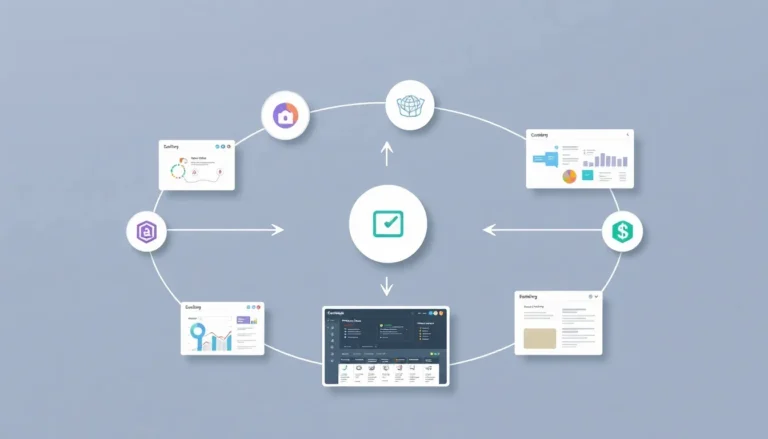
Step-by-step outreach process
Outreach templates (brief)
- Template A: Personalized expert contribution pitch referencing a recent article, offering updated data and a publish-ready paragraph.
- Template B: Broken-link substitution pitch offering the same or improved resource with analytics demonstrating utility.
- Template C: HARO-style expert quote submission with concise, verifiable data and credentials for quick editorial use.
Key takeaway: Implement a repeatable outreach workflow with tracking and analytics to measure link value beyond publication count.
Sources & References
- Google Search Central – Documentation on link evaluation and webmaster guidelines
- Ahrefs – Research on backlink impact and content that attracts links
- Moz – Studies on domain authority and link metrics
- SEMrush – Backlink analytics and industry reports
- HubSpot Research – Content marketing and organic traffic statistics
Frequently Asked Questions
What is high authority backlinks?
High authority backlinks are inbound links from reputable, trustworthy domains that provide editorial endorsements. These links typically originate on sites with strong traffic, established editorial standards, and topical relevance. Such backlinks transmit link equity that supports higher rankings, faster indexing, and increased referral traffic for the linked pages.
How does high authority backlinks work?
High authority backlinks work by signaling credibility and topical relevance to search engines through editorial placements. Search algorithms assess the linking domain’s trust metrics, the contextual placement of the link, and referral engagement. When these factors align, the linked page receives improved authority signals that support better ranking positions for relevant queries.
Why is high authority backlinks important?
High authority backlinks are important because they provide endorsement signals that contribute to domain authority, improved rankings, and referral traffic. Authoritative links increase the likelihood of ranking for competitive keywords and improve perceived credibility among users and search evaluators, supporting long-term organic visibility and conversions.
How can I measure the authority of a backlink?
Measure backlink authority using domain metrics from tools like Ahrefs’ Domain Rating, Moz’s Domain Authority, and SEMrush’s Authority Score. Evaluate referral traffic, link placement context, and editorial quality. Combine quantitative tool metrics with qualitative assessments such as site relevance and content quality for a complete picture.
Can I buy high authority backlinks?
Buying links from low-quality networks or anonymous brokers risks algorithmic penalties and manual actions. Some sponsored placements exist within publisher guidelines and require disclosure; these can be appropriate when transparent and editorially appropriate. Prioritize organic, editorial links obtained through content value and outreach to avoid policy violations.
How long does it take to see results from high authority backlinks?
Results may appear within weeks for indexing and early ranking movement, but measurable ranking and traffic gains typically require several weeks to months. Time-to-results depends on content freshness, keyword competition, linking domain authority, and the number of quality links acquired in the campaign window.
Should I focus on do-follow or no-follow backlinks?
Do-follow backlinks pass link equity while no-follow links limit direct equity transfer. Both types offer value: do-follow aids ranking signals, and no-follow provides referral traffic and brand visibility. A balanced profile that includes editorial do-follow links and amplified no-follow mentions supports diversified authority and traffic sources.
How frequently should I build backlinks?
Build backlinks regularly with a focus on quality and topical relevance. Consistent, steady acquisition from authoritative sources is preferable to sporadic bursts. Establish a sustainable cadence aligned with content production capacity and editorial outreach pipelines to maintain natural growth patterns and reduce algorithmic risk.
Conclusion: High authority backlinks are a decisive factor in modern SEO performance. Prioritize editorial, topically relevant placements produced through original research, guest contributions, and targeted outreach. Use data-driven tools to prioritize prospects, measure referral engagement, and report ROI. Begin with a backlink audit, develop at least one linkable asset, and implement a tracked outreach workflow to acquire authoritative links that drive sustained ranking and traffic improvements. Start executing these steps to strengthen topical authority and visibility.