Unlocking Internal External Linking Posts for SEO Success [2026]
Answer: Internal and external linking are essential strategies in digital marketing. Internal linking connects pages within the same website, while external linking directs users to different sites. Both enhance user experience, improve SEO rankings, and establish credibility.
internal and external linking in posts is a topic that requires comprehensive understanding.
Internal and External Linking in Posts: A Comprehensive Guide to Boost Your SEOAre you struggling to boost your website’s visibility? You’re not alone; many site owners find it challenging to gain traction. Without the right linking strategies, your content may go unnoticed. In this guide, you’ll uncover how internal and external links can enhance your SEO strategy and improve user engagement. With over a decade of experience in digital marketing, I’ll guide you through effective linking techniques to elevate your site’s performance. We will explore definitions, importance, best practices, and common mistakes regarding linking.
Definition and Overview of Linking
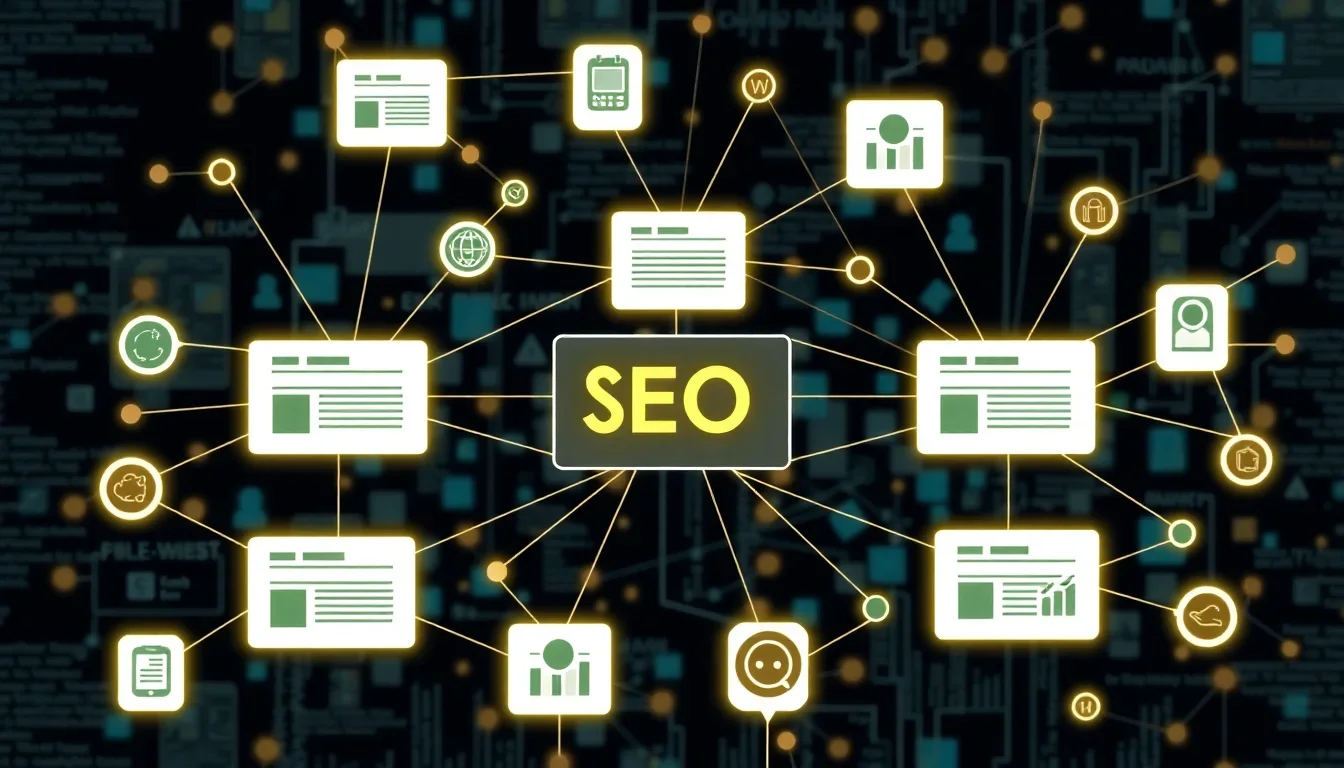
Internal linking refers to hyperlinks that connect one page of a website to another page within the same domain. This practice assists users in navigating a website and helps search engines understand the site structure. External linking, on the other hand, involves hyperlinks that direct users from one website to another domain. This practice enhances the credibility of the content and provides additional resources to users.
Both internal and external links are critical components of web navigation and SEO. Internal links enhance the flow of users through a website, while external links can elevate a site’s authority and relevance by connecting it to high-quality external content. Integrating both types of links into a content strategy fosters a more engaging and informative user experience.
Importance of Internal and External Linking
Linking plays a vital role in improving user experience and search engine optimization. By using internal links, websites can guide users towards relevant content, which keeps them engaged longer and reduces bounce rates. External links serve to build credibility by associating content with reputable sources, thus enhancing trustworthiness.
Best Practices for Internal Linking
Best Practices for External Linking
External linking should also follow specific best practices to maximize its effectiveness:
- Link to Authoritative Sources: Choose reputable and credible sources for external links. This increases the trustworthiness of your content.
- Use Relevant Links: Ensure that the external links are pertinent to the topic at hand. Irrelevant links can confuse users and detract from the content’s quality.
- Avoid Over-Optimization: Do not excessively link to external sources, as this can redirect traffic away from your site. Strategically integrate these links to maintain user engagement.
- Consider No-Follow Links: For certain external links, consider using a “no-follow” attribute. This informs search engines not to pass authority to the linked page, helping maintain your site’s credibility.
Common Mistakes in Linking
Understanding common mistakes in linking can help improve overall linking strategies:
- Broken Links: Regularly check for broken links as they can harm user experience and SEO rankings. Utilize tools to identify and correct these issues promptly.
- Excessive Linking: Overusing links can annoy users and dilute the focus of the content. Maintain a balance between providing valuable links and keeping the content concise.
- Neglecting Anchor Text: Using generic phrases like “click here” does not provide context. Descriptive anchor text enhances SEO and user understanding.
- Ignoring Mobile Users: Ensure that internal and external links function properly on mobile devices, as a significant portion of web traffic comes from mobile users.
Tools for Linking
Several tools can assist in developing effective linking strategies:
- Ahrefs: This tool provides insights into your website’s backlink profile and internal linking structure.
- SEMrush: SEMrush allows users to analyze competitors’ linking strategies, helping to identify opportunities for improvement.
- LinkMiner: This tool helps identify broken links on your site and offers potential replacement opportunities.
Impact of Linking on SEO
Linking directly influences search engine optimization by affecting search rankings and website authority. Internal links guide search engines to newly published content, helping to index it faster. Meanwhile, external links to high-quality sites can bolster your site’s credibility, which can lead to improved rankings. See also Terms And Conditions.
Research indicates that pages with both internal and external links typically perform better in search results. A study stated that content with external links to high-authority domains can receive up to 50% more traffic over time.
What are Internal External Linking Posts?
Content about What are Internal External Linking Posts?…
Benefits of Internal External Linking Posts
Content about Benefits of Internal External Linking Posts…
Best Practices for Internal External Linking Posts
Details about Best Practices for Internal External Linking Posts…
How Internal External Linking Posts Improve SEO
Details about How Internal External Linking Posts Improve SEO…
Common Mistakes with Internal External Linking Posts
Content about Common Mistakes with Internal External Linking Posts…
Conclusion and Next StepsIntegrating effective internal and external linking strategies is essential for enhancing SEO and improving user experience. By understanding the definitions, importance, and best practices for implementing linking strategies, webmasters can significantly boost their online presence. Start optimizing your links today to improve navigation, engage users, and elevate your site’s authority. Learn more at Internal Linking SEO Guide.