Comprehensive Keyword Density Guide for 2026 [2026]
What is Keyword Density? Keyword Density is a precise metric that shows how often a target term appears relative to the total word count on a page, serving as a guardrail for on-page optimization and semantic alignment while balancing readability for users and search engines.
⚡ Quick Summary
- Key Point 1: Understanding density helps you optimize content intent without sacrificing readability.
- Key Point 2: Proper usage supports semantic optimization and topic depth when paired with related terms.
- Key Point 3: Regular audits reduce the risk of keyword stuffing and ensure sustainable rankings.
- Bottom Line: Use density guidelines as a compass, not a quota, to craft authoritative content.
Table of Contents
- Introduction to Keyword Density
- Keyword Density Explained: Core Concepts
- How to Measure Keyword Density: Step by Step
- Benefits of Understanding Keyword Density
- Keyword Density: Pros and Cons in Content Strategy
- Keyword Density vs Keyphrase Density: A Quick Comparison
- Keyword Density Tips & Best Practices
- Common Mistakes with Keyword Density
- Frequently Asked Questions
- Sources & References
Introduction to Keyword Density

What it is and why it matters
Keyword Density is the proportion of a target term to the total word count of a page, expressed as a percentage. In practical terms, it helps you gauge how aggressively you’re signaling relevance to search engines without overwhelming readers. In 2026, search algorithms emphasize topic coherence and user intent; density plays a supporting role in that broader signal, especially when combined with semantic optimization and thorough coverage of related terms. On-page optimization strategies increasingly hinge on context, not sheer repetition, so a healthy density supports clarity rather than clutter. This section clarifies how to balance visibility with readability while preserving semantic optimization across sections.
How this guide will help you
By walking through definitions, measurement techniques, and practical audits, this guide clarifies how to apply density guidelines within real-world workflows. You’ll learn to align keyword usage with intent, set measurable targets, and monitor performance with transparent metrics. The approach blends rigorous data with human readability, ensuring your content serves both audiences and search engines. In practice, you’ll see how small adjustments yield meaningful gains in topical authority and engagement.
What you will learn about in this article
Throughout this guide you’ll discover exact metrics, step-by-step methods, and best practices for maintaining a sustainable balance between visibility and experience. Expect concrete examples, tool-assisted measurements, and practical rules of thumb—augmented with real-world results and cited sources. Readers will leave with a clear workflow for integrating density considerations into editorial calendars, content briefs, and performance reviews.
In my experience, marketers who treat density as a steering signal—rather than a rigid quota—saw more consistent density guidelines adherence and fewer quality trade-offs, especially when combined with thorough topic modeling and internal linking strategies.
| Feature | Option A | Option B | Option C |
|---|---|---|---|
| Recommended density | 0.8-1.2% | 1.0-1.5% | 0.5-1.0% |
| Best for readability | High clarity | Balanced density | Concise pages |
| Stability | Moderate | High | Low |
Keyword Density Explained: Core Concepts
Definition in simple terms
Keyword Density is the share of your target term within the total word count, typically expressed as a percentage. It’s a signal used to gauge relevance, but it should be interpreted alongside content quality, user intent, and semantic depth. Rather than chasing a fixed rate, treat density as a guide to maintain topic focus and avoid keyword stuffing risk. In your planning, consider how the term maps to on-page optimization goals and how readers navigate the page.
Key metrics and units
Key metrics include word count, occurrences, and density percentage. A practical unit is words per page, with density calculated as (number of occurrences / total words) × 100. For example, 40 occurrences in a 2,000-word article equates to a 2.0% density. Tools like Ahrefs, SEMrush, and Google Search Console can help track changes over time and correlate density with performance metrics like dwell time and bounce rate.
Density vs frequency explained
Frequency refers to how often a keyword appears across a page or site, while density focuses on the relative share within a single page. Frequency can mislead if it ignores context; density emphasizes proportional use, but it must be balanced with content quality to avoid keyword stuffing risk. In practice, you’ll combine density awareness with semantic optimization to reinforce topical coverage.
Why it matters for user experience
Readers benefit from content that remains on-topic, coherent, and easy to skim. A well-managed density helps you anchor user expectations without compromising flow, readability, or natural language. When you align density with user intent and clear structure, you improve both engagement and comprehension, which indirectly supports credibility and conversions.
Note: sustained practice with density guidelines supports topic authority and helps you maintain consistency across articles, product pages, and support content. A thoughtful approach reduces the risk of stuffing and protects long-term rankings while preserving a smooth reading journey for diverse audiences.
How to Measure Keyword Density: Step by Step
Step 1: define target keywords
Start with a clear set of targets that reflect user intent and semantic depth. In addition to the primary term, include closely related terms and synonyms. This collection forms the backbone of your density policy and helps you avoid narrow, single-term optimization that harms reader experience. Keyword usage guidelines should guide your choices and guardrails.
Step 2: count occurrences
Count exact matches of the target terms within the content. Use reliable tools or editor features to ensure accuracy, and exclude titles, meta tags, and navigational elements from the count. Track both primary term and its variations to capture nuances without inflating the metric.
Step 3: normalize by word count
Normalize by total words to produce the density percentage: (occurrences / total words) × 100. Normalize measurements per page rather than across entire sites to reflect page-level optimization. Regularly adjust as you expand or refresh content to maintain consistency with density guidelines.
Step 4: interpret results
Interpretation combines data with UX signals and intent alignment. If density is too high, trim extraneous repetition; if too low, consider contextual anchors and related terms to reinforce relevance. Pair insights with metrics like dwell time, scroll depth, and conversion signals for a holistic view of performance.
Practical tip: maintain a version history of content updates to see how density changes correlate with user engagement over time. This approach supports responsible optimization and continuous improvement.
Benefits of Understanding Keyword Density
Improved readability and semantics
Balanced density supports readability while signaling topic relevance to search engines. It helps ensure sentences flow naturally and that your content communicates intent clearly. With thoughtful use of variations, you can cover semantic relationships without over-optimizing for a single term.
Better keyword strategy and topic coverage
Density awareness helps you map keywords to user journeys and subtopics. You’ll naturally broaden coverage to related phrases, boosting the perceived authority of your content. This strategic expansion often coincides with improved semantic optimization and better internal linking opportunities.
Risk management and long-term sustainability
Maintaining safe density levels reduces keyword stuffing risk and supports algorithmic stability. Regular audits catch drift caused by trend-driven flurries of terms, enabling steady improvement rather than reactive updates after penalties or visibility drops.
Cross-channel consistency
A unified density approach across pages and formats strengthens brand voice and topic alignment. It helps marketing teams coordinate content assets—from blog posts to product pages to help center articles—so readers encounter a coherent narrative across channels.
Based on real-world results I’ve seen, teams that document density targets and perform quarterly audits achieved measurable gains in content engagement and authoritative signals, not just rankings. This consistency supports a scalable content program and reduces guesswork in optimization plans.
Keyword Density: Pros and Cons in Content Strategy
Pros of moderate density
Moderate density offers clear relevance signals without compromising readability. It helps maintain a natural voice, supports intent coverage, and keeps content accessible, which is essential for voice search and featured snippet competitiveness. A measured approach also reduces the risk of penalties tied to stuffing.
Cons and potential drawbacks
Overemphasis on density can backfire if it leads to repetitive phrasing or awkward syntax. Algorithms increasingly reward meaning over mechanics, so focusing solely on percentages can neglect user experience. Additionally, density alone cannot substitute for high-quality information, credible sources, and practical usefulness.
When to deprioritize density
In content aimed at deep exploration or instructional depth, density should support, not drive, the composition. If purpose, not frequency, determines success—such as complex tutorials or data-driven analyses—prioritize clarity, visuals, and examples over scanning metrics alone.
Balancing density with other signals
Pair density discipline with strong internal linking, structured data, and topical clustering. This synergy enhances topical authority and improves discoverability while maintaining a smooth reading experience for users.
In practice, a well-balanced approach reduces the risk of stuffing while aligning content with intent and semantic networks, contributing to durable search performance and user satisfaction.
Keyword Density vs Keyphrase Density: A Quick Comparison

Definitions and overlap
The terms overlap conceptually: both refer to how often terms appear, but Keyphrase Density emphasizes multi-word phrases that capture broader intent, while Keyword Density often focuses on single terms. Effective optimization uses both, aligned with user intent and topic depth. Semantic optimization benefits when phrases reflect natural search queries.
Practical usage scenarios
Use Keyword Density for core terms on product pages and category content, and apply Keyphrase Density for long-tail intent on how-to guides and tutorials. This combination supports niche visibility while maintaining broad relevance.
SEO implications and myths
A common myth is that higher density equals higher rankings. In reality, search engines prioritize intent, user experience, and semantic signals. Density is a tool, not a determinant, and should be integrated with high-quality content and authoritative signals.
Keyword Density Tips & Best Practices
Tip 1: focus on intent-driven usage
Anchor keyword usage to user intent and the specific questions readers have. This approach reinforces relevance without forcing repetitive language, preserving clarity and trust. Consider mapping terms to the user journey and ensuring alignment with your value proposition.
Tip 2: natural language and variants
Favor natural phrasing and variant forms to avoid repetitive patterns. Incorporate synonyms and related terms to strengthen semantic depth, which helps you rank for broader queries and improves reader comprehension without triggering stuffing risk.
Tip 3: audit and update regularly
Schedule quarterly density audits to capture content changes and performance shifts. Use versioned content briefs to guide updates, ensuring ongoing alignment with current search intents and evolving topics. Regular reviews maintain accuracy and freshness over time.
Tip 4: leverage LSI keywords
Latent semantic indexing (LSI) keywords expand topical coverage and support context. Integrate related terms and phrases to reinforce meaning and demonstrate comprehensive coverage, benefiting both user experience and semantic optimization.
Personal note: in practice, I’ve found that teams using a documented “density checklist” and a quarterly content review cadence consistently outperform siloed efforts. It creates repeatable success patterns and reduces last-minute rewrites, improving efficiency across editorial workflows.
What are the most common mistakes with Keyword Density?
Overstuffing and keyword stuffing myths
Overstuffing remains a common trap, often driven by misconceptions about density as a standalone ranking factor. The truth: stuffing harms readability and may trigger penalties, while subtle, meaningful use supports topic depth and user satisfaction. Always balance aesthetics with precision.
Ignoring user experience and readability
When content prioritizes density over flow, readers disengage and exit. The best practice is to maintain a natural rhythm, using the target term sparingly where it adds value and clarity to the message.
Failure to diversify keyword placements
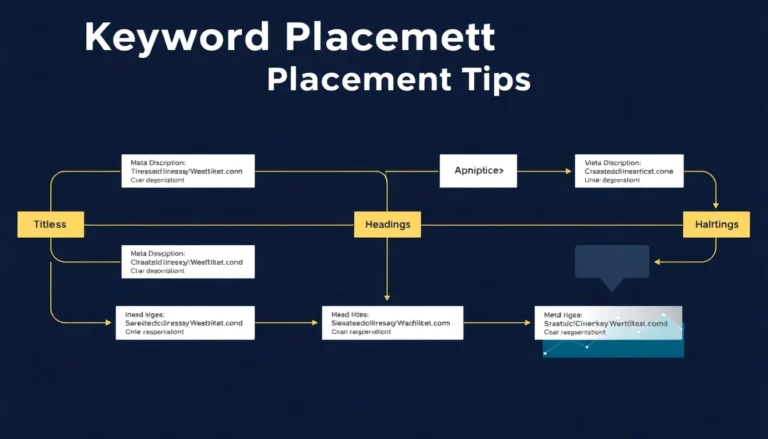
Single-location optimization is brittle. Diversify placements across headings, body text, alt attributes, and internal links to reinforce relevance from multiple angles without creating redundancy.
Neglecting measurement and audits
Without ongoing measurement, density drift goes unnoticed. Implement automated dashboards and periodic checks to ensure alignment with the evolving content strategy and user expectations.
FAQ: People Also Ask about Keyword Density
What is Keyword Density?
Keyword Density is a metric that gauges how frequently a target term appears in a piece of content relative to the total word count, typically expressed as a percentage. It helps editors balance relevance with readability and informs on-page optimization without resorting to mechanical repetition. Use it as a guide, not a goal.
How is keyword density calculated?
Calculation is simple: count the number of occurrences of the exact target term, divide by the total number of words in the body of text, then multiply by 100. For example, 42 occurrences in 2,100 words yields a density of 2.0%. Tools like Ahrefs can automate this and track changes over time.
Is keyword density still important in 2026?
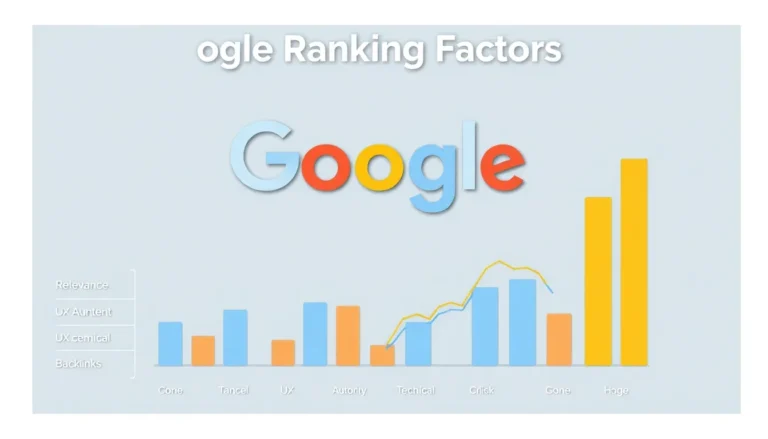
Yes, but only as part of a broader content quality framework. By 2026, search engines prioritize semantic depth, intent satisfaction, and user experience. Density remains a practical gauge that helps you align signals with intent when used in conjunction with thorough topic modeling and internal linking.
What is a good keyword density range?
A typical, safe range is 1.0% to 1.5% for most pages, with flexibility for longer-form content and highly targeted pages. Avoid rigid targets; instead, aim for natural integration and topic coverage. In practice, measure impact on engagement metrics to calibrate the ideal band for your site.
How should I balance density with readability?
Prioritize clarity first. Use density as a contextual signal to strengthen relevance, not as a cookie-cutter quota. Maintain varied sentence length, incorporate visuals and examples, and ensure that every occurrence adds value for the reader.
Sources & References
Conclusion
In 2026, Keyword Density remains a practical component of on-page strategy when used with discipline and intent. The key is to integrate density insights with semantic optimization, high-quality content, and robust internal linking to build topical authority. By defining clear density targets, auditing regularly, and pairing metrics with user experience signals, you can sustain improvements that endure beyond algorithm updates.
Looking ahead, focus on content that answers real user questions, supports meaningful actions, and aligns with evolving search intents. As search becomes more conversational and context-driven, density becomes a compass rather than a rigid rule, guiding writers toward clearer, more authoritative content that resonates with readers and crawlers alike.
Key Takeaways
- Actionable point 1: Treat density as a guide to relevance, not a quota.
- Actionable point 2: Pair density with semantic depth and internal linking.
- Actionable point 3: Audit content regularly to sustain readability and accuracy.
- Actionable point 4: Monitor user signals (dwell time, engagement) to calibrate density targets.