Monthly SEO Services: Plans & Pricing | Sparltech 2025
Monthly SEO services are recurring programs where an agency or consultant delivers a set scope of technical, on-page, content, and off‑page work each month to grow organic visibility, traffic, and conversions. If you’re paying $500–$7,000+ a month, you’re probably wondering what you should expect, how to avoid wasted spend, and how to pick the right vendor. I’ve run SEO campaigns for US small and mid‑market businesses for years, and I’ve seen what works (and what wastes money). This guide gives you a practical checklist, a 90‑day pilot plan, transparent pricing ranges, two real anonymized case studies, and a vendor selection checklist so you can decide with confidence.
Last updated: December 10, 2025.
Quick preview: you’ll get a concise deliverables checklist, a month‑by‑month onboarding roadmap, a pricing table with typical US ranges, and a 30/60/90 day action plan you can use to vet proposals. Ready? Let’s get practical.
Definition & overview

What are monthly SEO services? Monthly SEO services are retainer-based programs where a provider commits to recurring monthly work—technical fixes, on-page optimization, content production, link outreach, and regular reporting—to improve organic performance over time. The work compounds: small fixes this month enable content and link efforts in later months.
Why the monthly model exists: search is a long game. One-off projects can fix visible issues, but sustained growth typically requires continuous content, backlink acquisition, and iterative testing. Retainers let agencies plan long-term campaigns, spread cost, and measure compounding results.
Who buys monthly SEO in the US?
- Local service businesses (plumbers, clinics, law firms) who need steady local visibility.
- Small e‑commerce stores aiming for niche category traffic.
- Regional chains and multi-location businesses that need coordinated local and national strategy.
- Mid-market brands that want an internal+agency hybrid.
Core components in most monthly SEO retainers:
- Technical SEO (crawlability, speed, schema)
- On‑page optimization (titles, meta, internal linking)
- Content strategy and content creation (blogs, landing pages)
- Link building (outreach, content promotion, partnerships)
- Reporting, analytics, CRO, and account management
Short timeline note: retainers rose as content marketing and link outreach became essential—monthly engagement lets teams test, measure, and iterate. Key takeaway: monthly SEO services are about consistent, prioritized work that compounds; they’re not an instant rank machine.
How it works — Monthly SEO process (first 90 days + ongoing)

Think of the first three months as building the foundation. After that you shift into growth and iteration. Below is a practical month-by-month breakdown showing what to expect, why it matters, how long it takes, plus common mistakes and pro tips.
Pre-onboarding (what happens before month 1)
What: audit, goal setting, contract/SLA, access provisioning (GA4, Search Console, CMS, server), and success metrics. This sets expectations and scope.
- Why: you need a baseline to measure progress and define priorities.
- How: agency runs a technical crawl audit, content gap analysis, and competitive keyword research.
- Time estimate: 3–10 business days for data collection; one kickoff meeting.
- Common mistake: signing without a documented SLA or deliverables list.
- Pro tip: insist on a prioritized 30/60/90 roadmap attached to the contract.
Month 1: foundation and quick wins
What: fix high-impact technical issues, prioritize on-site changes, set up tracking, and create a content gap list.
- Why: technical problems block indexing and thin content wastes crawl budget.
- How: run Screaming Frog or Sitebulb crawl, fix redirect chains, resolve duplicate meta tags, improve page speed bottlenecks (e.g., image compression, critical CSS), and implement schema where it helps.
- Time estimate: 2–6 weeks depending on site size and dev bandwidth.
- Common mistake: delaying technical fixes because “we’ll do content instead.”
- Pro tip: get devs an itemized ticket list (Jira, Trello, or email) so fixes don’t linger.
Month 2: content & on-page optimization
What: publish high-priority content, optimize existing pages, and implement internal linking improvements.
Month 3: outreach, amplification, and CRO
What: begin link outreach campaigns, amplify content, and run basic conversion rate optimization tests.
- Why: backlinks and amplification accelerate visibility; friction in conversion funnels wastes traffic.
- How: outreach to resource pages, guest post opportunities, PR mentions; A/B test headlines or CTAs on high-traffic pages.
- Time estimate: outreach needs at least 12 weeks to yield placements; CRO tests run 2–6 weeks depending on traffic.
- Common mistake: expecting dozens of links in month 1 from outreach—link building often starts slow.
- Pro tip: aim for 2–10 high-quality links per month based on niche difficulty; measure link quality (Domain Rating, traffic, relevance).
Ongoing months: iterate, test, report
What: monthly execution of the agreed scope—content, links, tests—and a monthly reporting cadence with roadmap updates.
- Why: search needs continuous iteration based on data and ranking signals.
- How: monthly sprints with specific deliverables, quarterly strategy reviews, and pivot when necessary.
- Time estimate: ongoing, with quarterly strategy adjustments.
- Common mistake: agencies sending reports without a clear “what we did and why it matters” section.
- Pro tip: require an outcomes-focused monthly report that ties activities to KPIs (leads, visibility, revenue).
“A structured 90‑day plan separates vendors who act from vendors who report.” — practical rule of thumb
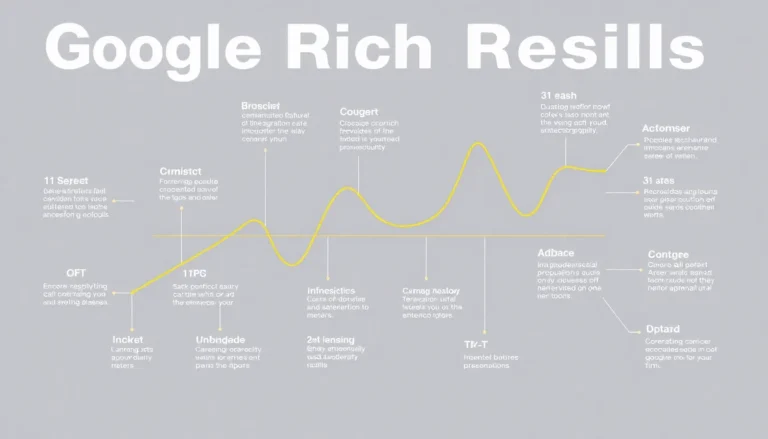
Visual recommendation: include a process infographic labeled “Month 1 → Month 3: SEO roadmap.” Key takeaway: the first 90 days are foundation-heavy; after that, expect compounding results with consistent content and link work.
Deliverables & KPIs — What you should get every month

A good monthly SEO retainer includes clear, measurable deliverables and KPIs tied to business outcomes. If the proposal lists vague “SEO work” without specifics, ask for clarity.
Deliverables checklist by tier
- Local tier (typical $500–$1,500/month): GMB optimization, 4–8 local citations, 2 blog posts (500–800 words), 3 hours of technical fixes, monthly report, 2–4 outreach attempts.
- Small Business/Niche ($1,500–$3,000/month): Technical audit + prioritized fixes, 4–8 content pieces (800–1,500 words total), on-page optimization, 3–6 link outreach tasks, monthly reporting and 4–6 hours account management.
- National ($3,000–$7,000/month): Larger content calendar (8–12 pieces), aggressive outreach (5–15 links/month depending on quality), CRO tests, dedicated account strategist, and deeper technical work.
- Enterprise ($7,000+/month): Cross-functional teams, content hubs, advanced link campaigns, modeling and integrations with product/analytics teams.
Specific deliverables to expect every month
- Technical fixes: broken links, canonical issues, redirect chains, structured data, mobile UX issues.
- On‑page edits: prioritized title/meta updates, header structure, image alt tags, and internal linking updates.
- Content: blog posts, landing pages—define word counts and intents up front (e.g., two 1,200-word blog posts + one landing page monthly).
- Link building: outreach logs, type of outreach (guest post, resource, digital PR) and monthly targets.
- Reporting: traffic (sessions), keyword visibility, conversions/leads, pages fixed, and next month’s plan.
- Meetings/support: defined hours of account management per month (e.g., 4–8 hours).
KPIs to track
- Organic sessions and session change %
- Keyword visibility (rankings for priority keywords)
- Leads or revenue from organic channels
- Conversion rate of organic landing pages
- Pages crawled and fixed / technical health score
Snippet-ready passage: “A good monthly SEO retainer includes a technical audit and fixes, on-page optimizations, a content calendar with published assets, a measured link-building campaign, and a monthly report that ties activities to traffic and leads.”
Key takeaway: insist on specific monthly deliverables tied to KPIs, not vague “ongoing SEO.”
Benefits & ROI expectations
Understanding realistic outcomes helps you judge proposals and avoid disappointment. SEO is compounding, so early wins are often technical or content-related, while meaningful ranking improvements can take longer.
Typical timeline
- 1–3 months: technical and content quick wins (indexing, fix crawl issues, small traffic lifts).
- 3–6 months: steady organic traffic growth for low- to medium-competition keywords.
- 6–12 months: meaningful ranking improvements and lead/revenue growth for competitive terms.
Sample ROI scenarios (realistic examples)
Scenario A — Local service business on $2,819/month plan: If the plan drives 50 extra leads per month and the average order value (AOV) is $1,200, monthly incremental revenue = 50 × $1,200 = $60,000; even with 10% close rate that’s 5 customers × $1,200 = $6,000 in new revenue, roughly double the monthly spend. This is a simple illustration—actual ROI depends on conversion rates and deal value.
Scenario B — E‑commerce on $4,500/month: If a site sees a 20% lift in organic traffic resulting in a 15% lift in revenue, the revenue delta may far exceed the retainer once product margins are considered.
Hidden benefits
- Improved site health that benefits paid channels (better Quality Score, cheaper CPCs).
- User experience improvements (faster pages, clearer funnels) that increase conversions.
- Competitive intelligence from keyword research that informs product and marketing strategy.
Who benefits most vs who should avoid monthly retainers
- Best fit: businesses with defined conversion paths, resources to act on content and technical recommendations, and mid-term growth goals.
- Not a fit: organizations needing immediate results in weeks, or those without budget to execute recommendations on the site.
Key takeaway: expect compound growth; early months are investment, later months deliver payoff. Evaluate proposals by projected traffic-to-lead conversion math, not promises.
Pricing / cost guide for monthly SEO services
Transparent pricing helps you compare proposals objectively. The average SEO plan costs vary widely, but here’s a practical market snapshot and a sample tiered table you can use as a benchmark.
| Tier | Typical Monthly Range (US) | What you get |
|---|---|---|
| Local | $500–$1,500 | GMB + citations, small content, light technical fixes |
| Small Business / Niche | $1,500–$3,000 | Full audit, content, on-page work, modest link outreach |
| National | $3,000–$7,000 | Broad content, active outreach, CRO, dedicated strategy |
| Enterprise | $7,000+ | Cross-channel SEO, large content hubs, advanced link and data work |
Average market data point (benchmark): the average SEO plan often cited in industry surveys is approximately $2,819 per month; this aligns with the small-to-mid business tier for broad services.
Factors that raise or lower price
- Site size and technical debt (more pages = more work)
- Competition for target keywords
- Content volume and quality needs
- Link acquisition difficulty in your niche
- Reporting and analytics depth required
Money-saving tactics
- Start with an audit-first approach and a fixed-scope 90-day pilot.
- Use a hybrid model: in-house content with agency outreach.
- Bundle paid and organic efforts when channels overlap to reduce duplicated tools and resources.
Snippet-ready answer: For US businesses expect about $500–$3,000/month for local and small business plans, $3,000–$7,000 for national campaigns, and $7,000+ for enterprise programs. Prices vary with site complexity, competition, and link/content needs.
CTA (medium): Get 3 Agency Quotes in 72 hours
Key takeaway: use these ranges to set expectations, then vet proposals for deliverables and outcomes—not just price.
Comparison & alternatives
Monthly retainers aren’t the only option. Below is a table comparing common models so you can pick what’s right for your stage and budget.
| Option | Best for | Pros | Cons | Typical cost |
|---|---|---|---|---|
| Monthly Retainer | Ongoing growth | Compound results, predictable roadmap | Requires commitment | $500–$7,000+ |
| Project-based | Specific fixes or migrations | One-off cost, clear scope | No ongoing growth support | $2,000–$50,000+ |
| Hourly Consultant | Ad-hoc advice | Flexible, pay-as-you-go | Limited bandwidth | $100–$300/hr |
| In-house | Long-term internal capability | Deep brand knowledge | Hiring cost, skill gaps | $4,000–$12,000+/mo salary equivalent |
| DIY Tools | Small budgets | Cheap, educational | Steep learning curve, time-intensive | $50–$400/mo |
Decision framework: when to pick each model
- Need tactical fixes only (migration, indexation)? Choose project-based.
- Limited budget but need guidance? Hourly consultant or hybrid with in-house execution.
- Want steady growth and don’t have full internal chops? Monthly retainer.
- High-volume, long-term content and cross-functional needs? Consider in-house + agency.
Transactional checklist — If you want to hire now:
- Get an audit first (paid or discounted) to identify priorities.
- Request a 90-day pilot with clear milestones and deliverables.
- Compare 3 proposals on scope, not just price.
- Confirm reporting cadence and SLA for deliverable completion.
CTA (strong): Request a custom proposal
Key takeaway: match the model to the business need—don’t pick retainers by default if you only need a specific project.. Learn more from National SEO Services
Best practices & red flags for vendors
Vetting vendors is where most buyers either lock in a great partner or sign a toxic contract. Use this checklist during evaluation and the red flags as deal killers.. According to Monthly SEO Services
Vendor selection checklist
- Transparent reporting: sample monthly report that ties actions to KPIs.
- Clear SLA and deliverables: list of monthly tasks and expected timelines.
- Link-building policy: must describe outreach methods and quality controls.
- References and case studies: ask for similar-industry examples and contactable refs.
- Ownership of assets: content and access—who owns copy and analytics data?
- Tools used: Screaming Frog, Ahrefs, Google Search Console, Google Analytics (GA4), Semrush.
- Onboarding timeline: clear 30/60/90 plan included in the proposal.
Red flags
- Guaranteed rankings—no ethical vendor promises specific positioning.
- Vague deliverables like “SEO work” with no specifics or timelines.
- Heavy reliance on private blog networks (PBNs) or link farms.
- No case studies or references, or ones that can’t be verified.
- Month-to-month with hidden termination or content ownership clauses.
Real example anecdote: I once saw a vendor promise page-one rankings in 30 days. The client paid upfront, and the vendor delivered a 500-word blog and a report with vanity metrics—no traffic lift. The contract had no SLA. We recovered the site, but it cost the client extra months and several thousand dollars.. As explained in SEO Packages & Monthly Plans That Drive Traffic & Sales
Key takeaway: ask for specifics, require a pilot with clear milestones, and avoid vendors who promise exact rankings.. For more details, see Affordable SEO…Money Back Guarantee…If You Don’t Rank, You …
Case studies
Two anonymized client summaries to illustrate scope, investment, and results. These are realistic we-stood-up scenarios showing how a focused monthly strategy performed.
Case Study A — Local service provider
Background: A local home services provider struggled to rank for service + city keywords. They had poor Google Business Profile optimization, duplicate content on service pages, and low-quality citations.
- Investment: $1,800/month
- Scope: technical clean-up (duplicate content, redirects), Google Business Profile optimization, local citations, 8 blog posts (600–800 words), and on-page optimization for 6 service pages.
- Timeline: 6 months
- Results: +62% organic leads; +34% organic traffic; improved top-3 rankings for 5 core service+city keywords.
Key takeaway: focused local fixes + content produced measurable lead growth within six months at a mid-tier budget.
Case Study B — Niche e-commerce
Background: A niche e-commerce brand had seasonal sales but limited organic traction for category pages. Site speed was mediocre and product descriptions were thin.
- Investment: $4,500/month
- Scope: content overhaul for category pages, technical speed optimizations, link outreach with product reviewers and resource pages, and CRO tests on category landing pages.
- Timeline: 9 months
- Results: +120% organic sessions; +48% revenue increase attributed to organic traffic; conversion uplift from CRO tests by 14% on key category pages.
Key takeaway: combining technical work, strategic content, and targeted outreach can double organic sessions and materially impact revenue for e‑commerce sites, but it requires a 6–9 month horizon.
Regional / Local guide — US-specific notes
Local SEO in the US has nuances by state, city size, and industry. Here are practical, US-focused tips that matter.
Google Business Profile and citations
- Optimize your Google Business Profile with categories, hours, services, and photos—this is often the first interaction for local searches.
- Citation priority: Yelp, industry-specific directories, Apple Maps, Bing Places, and relevant local chambers of commerce.
State-level review strategy
Reviews matter everywhere, but review acquisition strategies can differ. For example, densely populated areas may rely more on volume and recency, while smaller markets depend on a few authoritative local citations and reviews.
Local schema and review schema
Implement LocalBusiness schema and review schema where appropriate—this helps search engines surface important information in local packs and rich snippets.
Quick local audit checklist (5 items)
- Is your Google Business Profile claimed and fully filled out?
- Are NAP (name, address, phone) entries consistent across top citations?
- Do top landing pages include local intent keywords and schema?
- Are local reviews recent and responded to?
- Does mobile page speed meet acceptable thresholds (under 3 seconds ideal)?
Key takeaway: strong local SEO requires attention to Google Business Profile, consistent citations, local content, and review operations tailored to your market.
Getting started — 30/60/90-day action plan (use for pilots)
Use this practical roadmap to run a 90‑day pilot with any vendor. It’s a simple checklist so you can measure progress and avoid vague promises.
Week 1 checklist
- Sign agreement and share access: GA4, Search Console, CMS, hosting, and Google Business Profile.
- Complete baseline audit: crawl results, top traffic pages, and quick tech checklist.
- Set goals and KPIs: target traffic, keyword sets, and lead goals for the pilot.
30-day goals
- Fix 80% of high-priority technical issues (redirect chains, robots, canonical errors).
- Publish the first high-impact content piece (service or product landing page).
- Monthly report with baseline metrics and next-month plan.
60-day goals
- Complete on-page optimization for top 5–10 pages.
- Begin outreach for backlinks to the new content (2–6 link attempts).
- Run first CRO test on a high-traffic landing page.
90-day goals
- Secure initial authoritative backlinks (1–5 depending on niche).
- Demonstrate measurable traffic or ranking improvements for priority keywords.
- Present pilot review: decision to scale, pause, or pivot based on thresholds.
How to measure pilot success
- KPIs: organic sessions change, keyword visibility for priority terms, number of leads from organic, pages fixed, and backlinks earned.
- Thresholds (example): at least a 10–20% improvement in relevant organic sessions or measurable increases in lead volume for local businesses; for enterprise, a clear path to growth must be established.
CTA (before FAQ, medium): Get a 30-minute vendor audit
Key takeaway: require a 90‑day pilot with clear milestones; judge vendors by what they deliver in that window.
FAQ
How much should I pay for SEO services per month?
For US small businesses expect roughly $500–$3,000/month for local and basic services, $3,000–$7,000/month for national campaigns, and $7,000+ for enterprise-level engagements. Costs vary based on site complexity, competition, content needs, and link acquisition goals.
Is SEO a monthly service?
SEO can be retainer-based (monthly), project-based, or hourly. Monthly retainers are common because search benefits from continuous content, backlinks, and iterative testing. Projects are good for migrations or one-time fixes.
What is the 80/20 rule for SEO?
The 80/20 rule means roughly 20% of pages or keywords often drive 80% of traffic. Prioritize high-impact pages and keywords first—optimize and expand those before broad content expansion.
How long until I see results from monthly SEO services?
Expect technical and content gains within 1–3 months, meaningful ranking and traffic growth around 6–12 months depending on competition, and measurable revenue impacts typically after 6+ months for competitive keywords.
What should a monthly SEO report include?
A good monthly report shows traffic trends, keyword visibility for priority terms, leads/conversions from organic, actions completed that month, experiments and their outcomes, and a clear plan for next month.
Can I cancel a monthly SEO contract anytime?
Contracts vary. Some are month-to-month with notice periods, others have 3–6 month minimums. Always check termination terms, deliverable ownership for created content, and any notice windows before signing.
Should I hire an agency or a freelancer for monthly SEO?
Agencies offer broader resources (content, links, dev coordination); freelancers can be more affordable and specialized. Choose based on scope, budget, and whether you need cross-functional execution (agency) or a niche skill (freelancer).
Are guaranteed rankings a red flag?
Yes. Guaranteed rankings are unrealistic and often indicate spammy tactics. Ethical providers promise processes, transparency, and measurable metrics, not exact rank positions.
How many links should a monthly SEO package include?
Quality matters more than raw quantity. A good campaign sets realistic targets—often 2–10 high-quality links per month depending on niche difficulty. Focus on relevance and editorial context.
Can I do monthly SEO in-house?
Yes—if you have skills across technical SEO, content strategy, and outreach, and the bandwidth to execute. Many companies opt for a hybrid model: in-house team for content, agency for outreach and technical support.
Conclusion
Monthly SEO services are a strategic investment: the right retainer combines technical fixes, content, and link building into a monthly machine that compounds over time. Key takeaways: 1) Expect foundational work in the first 90 days and compounding gains after 6–12 months; 2) Use the pricing ranges and deliverables checklist to compare proposals, not just price; 3) Vet vendors with a clear SLA, pilot roadmap, and transparent reporting. Your single action: run a 90‑day pilot using the 30/60/90 checklist above and evaluate vendors on delivered milestones—not promises. Monthly SEO services can pay off handsomely when scoped correctly and measured by outcomes.
Download the Monthly SEO Checklist (free) • Start a 90‑Day SEO Pilot