Nonprofit Organization SEO Guide [2026]: 10 Key Strategies
Answer: Nonprofit organization SEO refers to strategies that improve online visibility for nonprofits, increasing organic traffic, engagement, donor conversions, and volunteer recruitment through targeted keyword research, optimized content, technical fixes, local presence optimization, and measurement using analytics and conversion tracking.
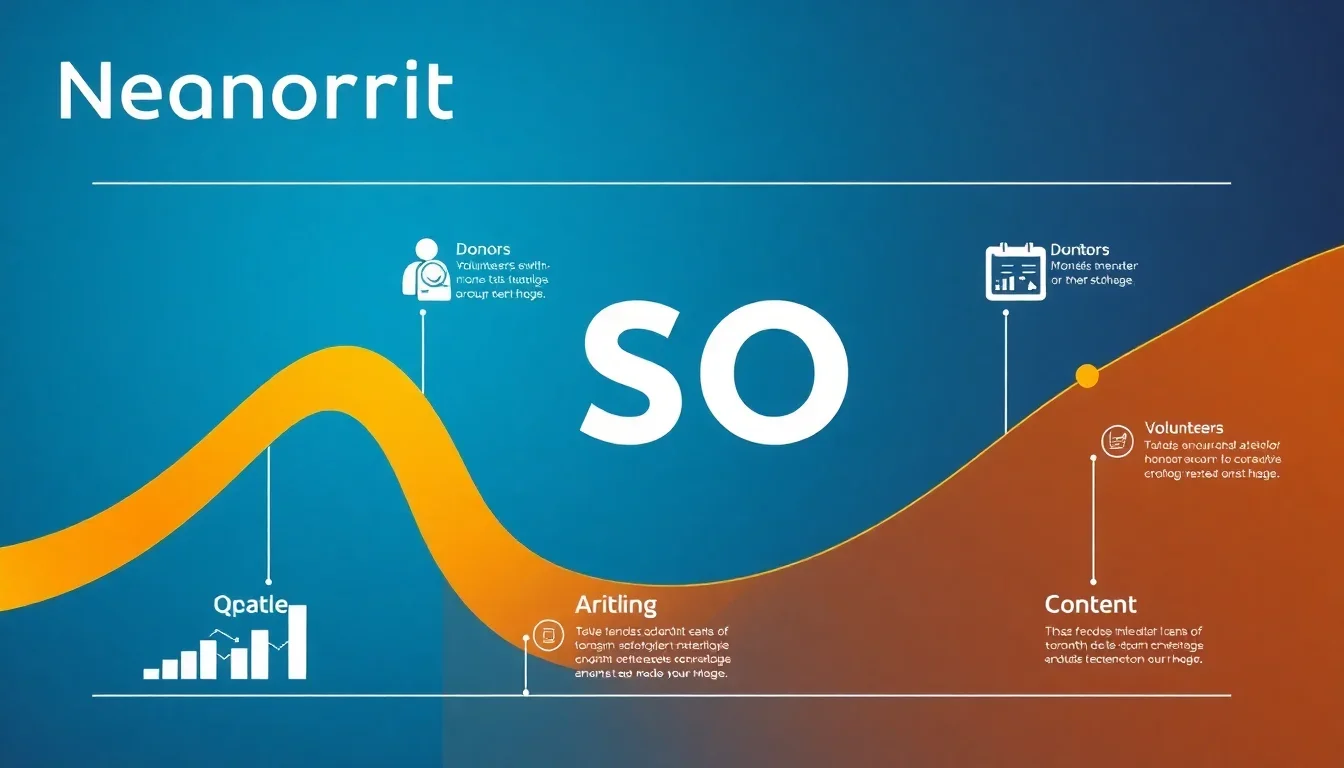
Nonprofit organization SEO requires an integrated program of research, content, technical setup, and ongoing measurement. This guide explains step-by-step processes for organizations of any size, prioritizes low-cost and high-impact tactics, and includes practical templates and case studies. Readers will find tactical keyword selection methods, on-page and off-page optimization priorities, content planning tailored to mission-driven audiences, social integration techniques, analytics frameworks, and a reproducible implementation plan. The recommendations focus on measurable outcomes: increased organic sessions, higher engagement rates, improved conversion paths for donations and volunteer sign-ups, and scalable practices that staff or volunteers can execute. The guide highlights accessible tools, sample metrics, and two case studies showing specific results. Each section concludes with a key takeaway and at least one actionable task. Use this guide as an operational playbook for planning a 6–12 month nonprofit SEO program and for aligning resources, stakeholders, and reporting to board or leadership objectives.
Nonprofit organization SEO Basics
Nonprofit organization SEO is the process of optimizing a nonprofit’s website and digital content to rank higher in search engine results for queries relevant to the mission, services, and donation opportunities. The process includes keyword selection, content optimization, technical improvements, link building, and analytics. Nonprofits benefit from SEO by attracting mission-aligned visitors, converting supporters, and reducing reliance on paid media. Common misconceptions include thinking SEO is only for commercial sites, that only paid ads produce traffic, or that SEO requires large budgets. Organizations with clear goals and consistent content production can achieve meaningful organic growth with modest resources.
Definition and core components
Core components include keyword research, on-page optimization, technical SEO health, content strategy, local presence optimization, and measurement. Each component interacts: keywords guide content, technical health enables crawling, and links signal authority. Implementing these components sequentially yields cumulative gains.
Why nonprofits need SEO
SEO provides cost-effective long-term visibility, increases discovery by potential donors and volunteers, and supports program awareness. Organic traffic often produces higher engagement and conversion rates compared with paid channels because visitors arrive with intent related to the nonprofit’s mission.
Key takeaway: Treat nonprofit organization SEO as an integrated program combining content, technical health, and measurement to deliver sustained organic growth.
Benefits of SEO for Nonprofits
SEO increases visibility, improves engagement, and raises conversion rates for donations and volunteer recruitment. These outcomes result from attracting users searching for mission-related information and converting them through optimized content and clear user pathways.
Increased visibility and reach
Higher search rankings expand the nonprofit’s reach to audiences actively searching for services, volunteering options, or donation opportunities. Organic search often surfaces evergreen content that continues to drive traffic over time, providing a compounding return on content investment.
Enhanced community engagement
Optimized content that addresses common questions and resources increases time on site, repeat visits, and social sharing. Content that answers specific needs positions the nonprofit as a trusted resource in the community.
Higher conversion rates for donations and volunteers
SEO improves conversion when landing pages align with search intent, provide clear calls to action, and reduce friction in donation or sign-up flows. Well-structured content and transparent impact reporting increase donor confidence and completion rates.
Key takeaway: Prioritize search-driven content and conversion-optimized landing pages to convert mission-aligned traffic into supporters.
Keyword Research Strategies for Nonprofit organization SEO
Effective keyword research identifies phrases that potential supporters use and groups them by intent: informational, navigational, and transactional. Use a combination of tools and stakeholder knowledge to build a prioritized keyword list tied to program goals.
Tools for keyword research
Use Google Keyword Planner, Google Search Console, Ahrefs, Semrush, and Ubersuggest for volume, difficulty, and performance data. Use Google Trends to track seasonality and topic interest over time. Combine tool outputs with internal search queries and donation page search terms to capture real user language.
How to find relevant keywords for nonprofits
- Map program and service terms to audience intent (e.g., “free legal aid” = informational/transactional).
- Use long-tail variations that reflect user phrases (e.g., “how to volunteer after natural disaster cityname”).
- Analyze competitor and partner sites for keywords with achievable competition scores.
- Review Google Search Console for queries that already drive impressions but low clicks; optimize pages for those queries.
Long-tail vs. short-tail keywords
Long-tail keywords are lower volume but higher conversion because they reflect specific intent. Short-tail keywords drive awareness but require stronger authority to rank. Nonprofits should prioritize long-tail and local phrases initially to secure measurable wins.
Key takeaway: Build a keyword roadmap that balances high-intent long-tail opportunities and strategic short-tail targets tied to organizational goals.
On-Page SEO Best Practices for Nonprofit organization SEO
On-page SEO optimizes individual pages for target keywords and user experience, using titles, headings, meta descriptions, structured content, images, and internal linking to improve relevance and click-through rates.
Essential elements of on-page SEO
- Title tags containing primary and secondary keywords within 50–60 characters.
- Meta descriptions that summarize page value and include calls to action within 140–160 characters.
- Header hierarchy (H1-H3) that structures content and includes keyword variations in H2/H3 elements.
- Optimized images with descriptive alt text and compressed file sizes.
- Clean URL structures with readable slugs and relevant keywords.
- Schema markup inclusion by technical teams for donations, events, and organization details (handled outside content).
Crafting effective meta tags and descriptions
Compose title tags that present the page topic and organizational name where appropriate. Create meta descriptions that directly answer common search queries and include a clear next step such as “Donate,” “Volunteer,” or “Learn more.” Use unique meta tags for each page to avoid duplication.
Importance of mobile optimization
Mobile responsiveness and load speed directly influence rankings and conversion. Use responsive design, prioritize essential content above the fold, and streamline donation forms for mobile. Measure Core Web Vitals and improve layout shift, interactivity, and loading performance.
Key takeaway: Focus on clear, actionable on-page signals for both search engines and users to increase relevance and conversions.
Off-Page SEO Strategies for Nonprofit organization SEO
Off-page SEO builds external signals of authority and trust through backlinks, partnerships, social presence, and citations. Nonprofits should pursue quality relationships and shareable content that naturally attracts links and references.
Building backlinks for nonprofits
- Partner with local institutions, universities, and media to secure editorial mentions and resource links.
- Create data-driven reports, toolkits, and local resource pages that other organizations cite.
- Use HARO or expert commentary to earn high-authority backlinks from news outlets.
- Reclaim mentions by monitoring brand mentions and requesting links where only non-linked citations exist.
Social media integration
Use social platforms to amplify content and drive referral traffic. Social signals do not directly determine rankings, but increased visibility from shares can attract linking domains and search demand. Align social posts with seasonality and campaign goals to maximize discovery.
Guest blogging and partnerships
Contribute thought leadership to relevant blogs and partner newsletters with clear author bios and resource links. Seek partner co-creation for events and reports that include backlinks. Prioritize relevance and quality over volume of guest posts.
Key takeaway: Build deliberate partnerships and produce linkable assets to increase authority and referral traffic.
Content Marketing Strategies for Nonprofit organization SEO
Content marketing for nonprofits focuses on providing value to audiences through educational resources, impact stories, and program-specific information that aligns with keyword targets and conversion goals.
Creating valuable content for your audience
Produce content that answers searcher intent, such as how-to guides, local resource pages, impact reports, and donor transparency pages. Use interviews, beneficiary stories, and data to create unique content that differentiates the organization.
Types of content to focus on
- Long-form guides and pillar pages that cover core topics comprehensively.
- Case studies and impact reports with measurable results and visuals.
- Local landing pages for service areas and offline programs.
- Short multimedia content such as explainer videos and infographics to increase shares.
Content distribution channels
Distribute content via organizational email lists, partner newsletters, social platforms, and community forums. Repurpose long-form content into multiple formats to reach diverse audiences. Use targeted outreach to secure amplification from partners and local media. Learn more at Nonprofit SEO 101: Make it easy for supporters to find you ….
Key takeaway: Align content production with keyword intent and distribution strategies to convert organic traffic into mission outcomes. Read more at SEO Global Home.
Measuring Success with Analytics for Nonprofit organization SEO
Measurement verifies impact and guides iterative improvements. Track traffic, behavior, and conversion metrics to evaluate SEO performance and inform resource allocation. For details, see SEO for Nonprofits: 4 Best Practices To Increase Your ROI.
Key metrics to track
- Organic sessions and users
- Click-through rate (CTR) from search results
- Bounce rate and engaged sessions
- Goal completions: donations, volunteer sign-ups, newsletter subscriptions
- Average donation value and conversion rate by channel
- Top-performing landing pages and keyword-driven performance
Tools for analytics
Use Google Analytics 4 for event-driven conversion tracking, Google Search Console for impressions and query data, and backlink tools for domain authority monitoring. Use simple dashboards to report to leadership monthly with a focus on KPI trends and action items. Additional insights at SEO for non-profit organizations: Basics, tips & beginner tools.
Adapting strategy based on data
Prioritize pages with high impressions but low CTR for meta optimization. Improve pages with high impressions and low engagement by enhancing content relevance and page layout. Allocate content resources to topic clusters that show consistent organic traffic growth.
Key takeaway: Build a measurement cadence that links SEO activities to donations and volunteer outcomes for transparent reporting.
Getting Started with Nonprofit organization SEO
Begin with an audit, a prioritized action plan, and a 6–12 month execution calendar. Focus initial efforts on high-impact, low-effort items such as keyword-driven landing pages and technical fixes that block indexing.
Step-by-step action plan
- Perform an SEO audit: crawl errors, indexation issues, speed, and mobile responsiveness.
- Establish goals: sessions, conversion targets, and donor acquisition costs.
- Develop a keyword roadmap prioritized by intent and feasibility.
- Create a content calendar linking topics to page intent and publishing dates.
- Optimize existing high-potential pages for keywords and conversion.
- Implement backlink outreach and partnership campaigns.
- Measure results, report monthly, and iterate.
Common pitfalls to avoid
- Avoid keyword stuffing or creating low-value pages that dilute authority.
- Do not ignore mobile performance and core web vitals.
- Avoid neglecting conversion pathways on donation and volunteer pages.
Key takeaway: Execute a prioritized plan with defined goals and monthly measurement to achieve steady progress.
Case Studies: Successful Nonprofit organization SEO Examples
This section presents two anonymized case studies that illustrate practical application and results of nonprofit SEO strategies.
Case Study 1: Regional Health Nonprofit
The organization focused on local keyword clusters and optimized 12 service-area pages. Within six months organic sessions increased by 85%, donation page conversions rose 28%, and volunteer sign-ups increased 40%. Primary actions included localized content, structured FAQs for schema, and partnerships with local clinics that generated backlinks.
Case Study 2: Environmental Advocacy Group
The group produced data-rich reports and infographics tied to high-intent campaign pages. Outreach to academic and policy partners produced multiple high-authority backlinks. Organic referral traffic to campaign pages increased by 230% over nine months, and petition signature conversions improved due to optimized landing pages and clearer CTAs.
Key takeaway: Targeted local pages and linkable, data-driven assets deliver measurable traffic and conversion improvements for nonprofits.
Future Trends in Nonprofit organization SEO
Search trends indicate increased importance of structured data, semantic search, voice queries, and content that demonstrates expertise and trust. Nonprofits should prioritize authoritative, well-cited content and accessible web experiences.
Predictions for SEO in the nonprofit sector
- Structured data and entity optimization will improve visibility for events, donation opportunities, and organization profiles.
- Voice search will increase demand for concise answers and local queries.
- Search engines will favor content demonstrating verifiable results and transparent impact metrics.
Adapting to algorithm changes
Maintain continuous learning, monitor performance signals, and prioritize content quality and user experience. Use A/B testing for key landing pages and maintain an accessible site architecture for crawlers and users.
Key takeaway: Invest in structured content, measurable impact reporting, and accessible site performance to remain resilient to algorithm shifts.
Quick Reference: SEO Actions Summary
Action comparison table
| Action | Difficulty | Time to Impact | Expected Outcome |
|---|---|---|---|
| Keyword-driven landing pages | Medium | 4–12 weeks | Increased targeted organic traffic |
| Technical fixes (mobile, speed) | Low–Medium | 2–6 weeks | Improved rankings and engagement |
| Backlink outreach | Medium | 2–6 months | Higher domain authority and referral traffic |
| Data-driven reports/infographics | Medium | 1–3 months | Linkable assets and increased shares |
FAQ: Nonprofit organization SEO
Sources & References
- Google Search Central – Documentation on indexing and search best practices
- HubSpot Research – Studies on content marketing and inbound acquisition
- Moz Blog – Guidance on link building and on-page optimization
- Ahrefs – Keyword research and backlink analysis methodologies
- Google Analytics Documentation – Measurement and event tracking guidance
SEO is a strategic, measurable investment for nonprofits seeking sustained visibility and support. Implement an audit, prioritize high-impact content and technical fixes, pursue relevant partnerships for backlinks, and maintain a measurement cadence focused on donations and volunteer conversions. Begin by optimizing 3–5 high-priority pages, track performance for 90 days, then scale content production based on measured results. Apply the checklist and actions in this guide to create a repeatable SEO program aligned with organizational goals. Nonprofit organization SEO should be integrated into overall fundraising and communications plans to maximize long-term impact.

![Complete Guide to Google Ads [2026]](https://sparltech.com/wp-content/uploads/2026/01/google_ads_img1-768x439.webp)