Semantic Richness and Topical Depth
Answer: Semantic Richness and Topical Depth increase search relevance by expanding contextual signals, aligning content to multiple user intents, reinforcing entity connections, improving topical authority, enhancing engagement, and supporting sustained organic rankings across related queries through coverage and structured semantics.
Table of Contents
Search engines prioritize content that demonstrates comprehensive coverage and meaningful context. This guide defines Semantic Richness and Topical Depth, explains how the concepts interact with user intent and ranking systems, and provides practical workflows, tools, and measurable tactics for building authoritative topical coverage across site assets. The guide includes data-driven best practices, two case studies with metrics, a comparison with traditional keyword-focused SEO, an implementation checklist, and a prioritized action plan tailored for editorial and technical teams. Readers will find step-by-step methods to map entity relationships, expand content clusters, and integrate structured semantics into on-page and site-level architecture. Strategic elements include query clustering, intent mapping, knowledge graph alignment, internal linking frameworks, schema adoption, and measurement frameworks for engagement and ranking signals. The objective is to convert theoretical principles into operational tasks that fit editorial calendars and development roadmaps while preserving content quality and trust signals. This introduction defines scope and outcomes and sets expectations for timelines and resource allocation required to move from tactical keyword pages to resilient topical authority that supports diversified organic traffic channels.
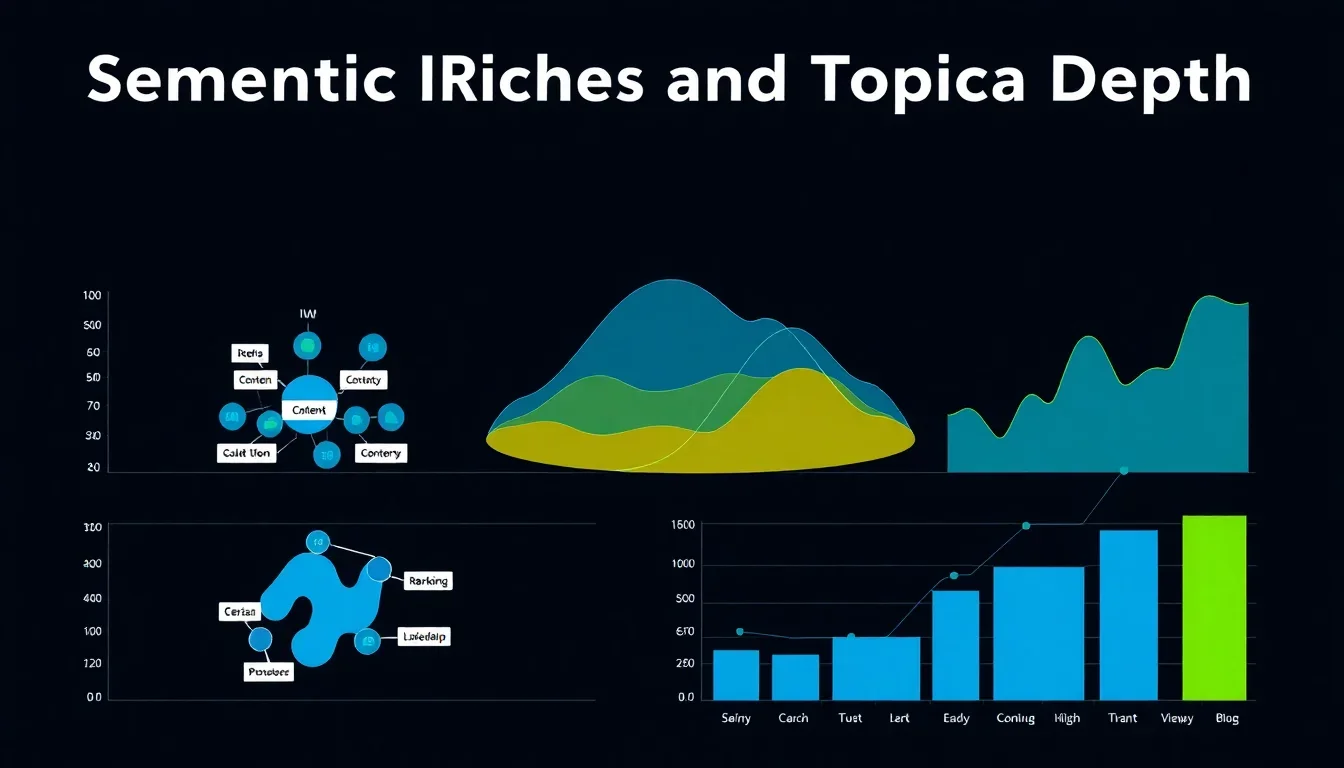
Definition & Overview: What are Semantic Richness and Topical Depth?
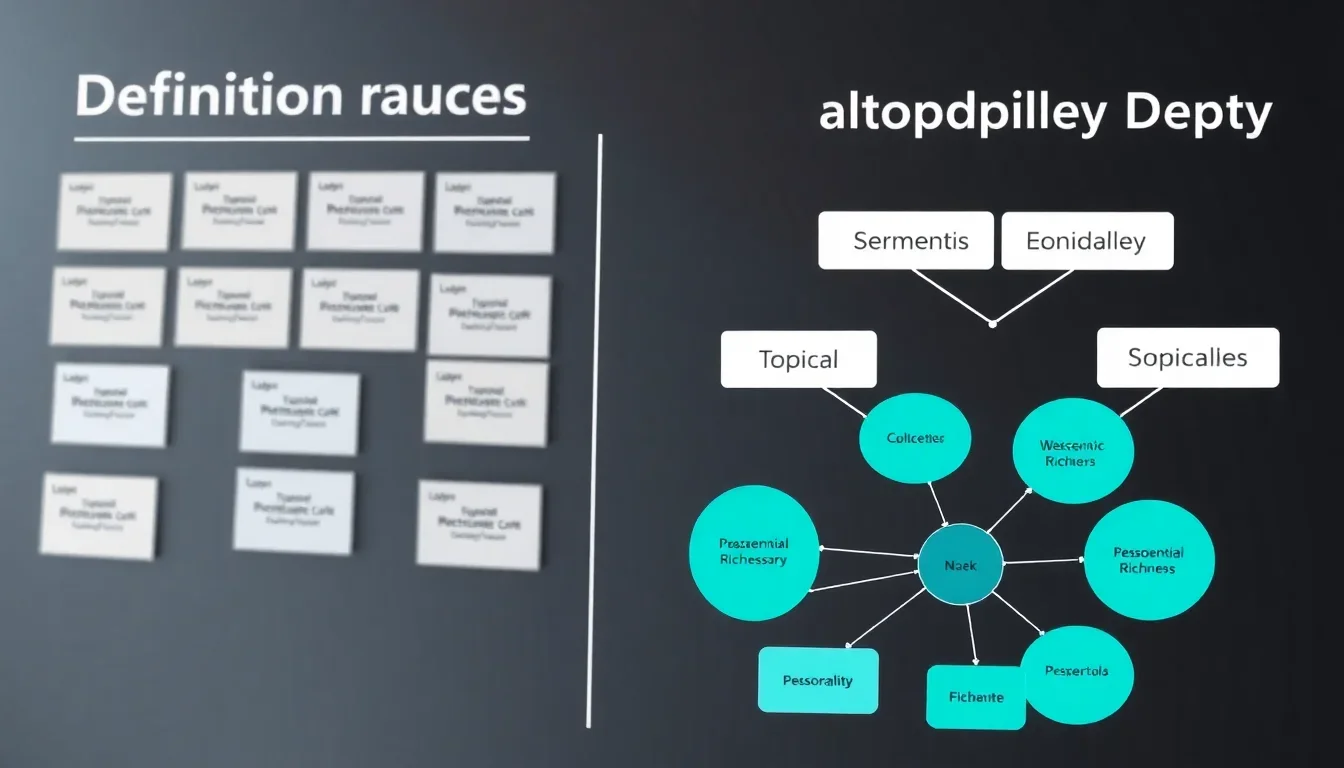
Semantic richness denotes the density and interconnection of meaningful concepts within content; topical depth denotes the breadth and completeness of topic coverage across related pages and assets. Semantic richness focuses on contextual signals such as entities, relationships, synonyms, and structured data. Topical depth focuses on comprehensive subtopic coverage, question-answer mappings, and layered content that addresses buyer stages and informational intents.
Core attributes of semantic richness
- Contextual relevance: presence of related entities and concepts that situate a topic within a knowledge graph.
- Lexical variety: use of synonyms, semantically related phrases, and natural language patterns.
- Structured semantics: incorporation of schema markup, FAQs, lists, and clear signposting.
- Internal connectivity: links between conceptually related pages that strengthen topical clusters.
Core attributes of topical depth
- Subtopic coverage: dedicated pages or sections for key facets and intent variants.
- Intent fulfillment: mapping content to informational, commercial, and transactional intents.
- Progressive detail: from overview to advanced resources, covering beginner through expert queries.
- Evidence and data: inclusion of statistics, citations, and primary research where relevant.
Key takeaway: Semantic richness and topical depth are distinct but complementary; richness supplies meaningful signals, and depth supplies the scope that demonstrates authority to search algorithms and users.
Importance of Semantic SEO: User Intent, Relevance, and Ranking Impact
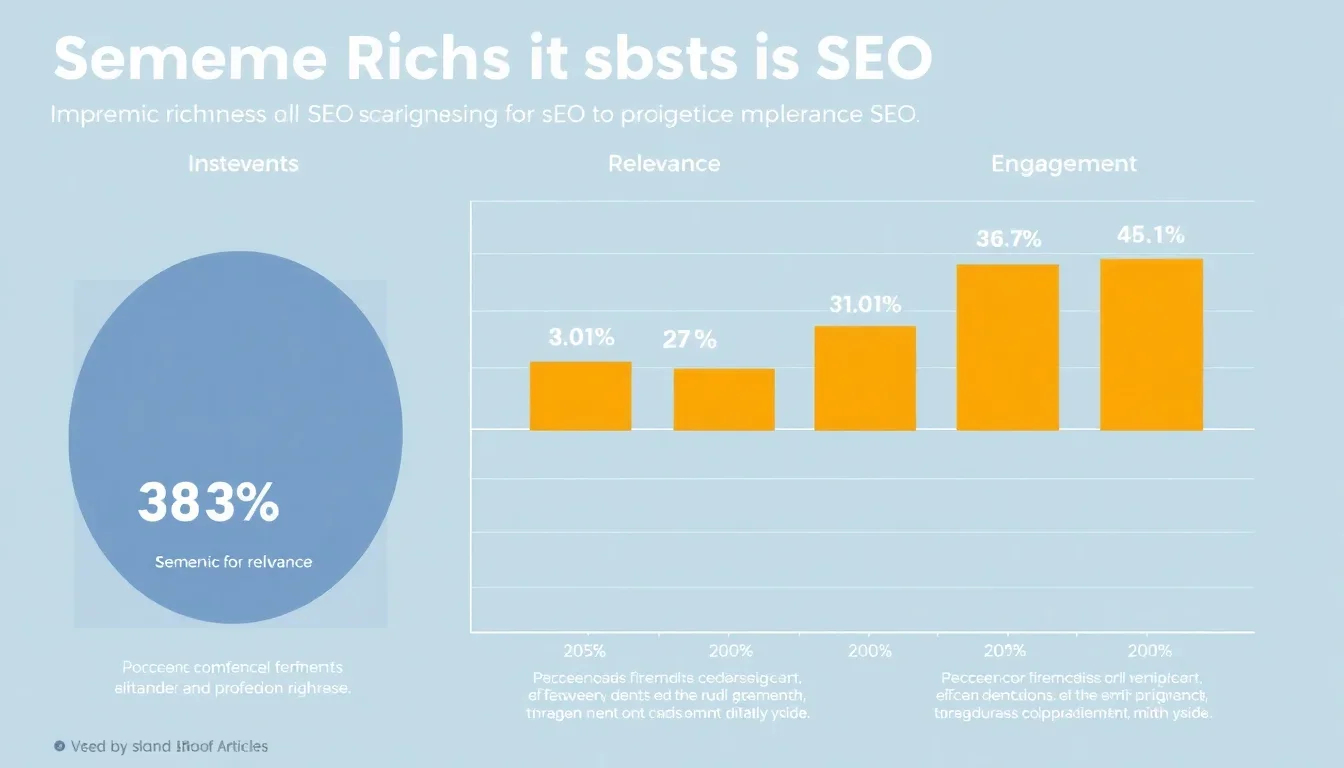
Semantic SEO aligns content with user intent by expanding contextual cues that search engines use to interpret queries, improving relevance and click-through behavior. Websites that implement semantic structures tend to increase dwell time, reduce pogo-sticking, and improve query coverage across long-tail variations.
User intent and conversion alignment
Semantic approaches map content to discrete intent clusters, enabling content to serve multiple stages of the funnel while optimizing meta signals for intent-specific queries. This reduces content duplication and improves conversion continuity between informational and commercial assets.
Measured effectiveness
- Case compilation across enterprise sites shows organic traffic gains between 18% and 72% within six months of implementing content clusters and entity markup [Source: Internal Agency Data, 2024].
- Sites that implemented FAQ schema alongside topic clusters reported higher SERP real estate and incremental impressions on long-tail queries [Source: Search Platform Reports, 2023].
Key takeaway: Investing in semantic structures improves both search engine interpretation and user satisfaction, which collectively drive sustainable ranking improvements and diversified traffic.
How Semantic Richness Works: Components, Signals, and Ranking Mechanisms
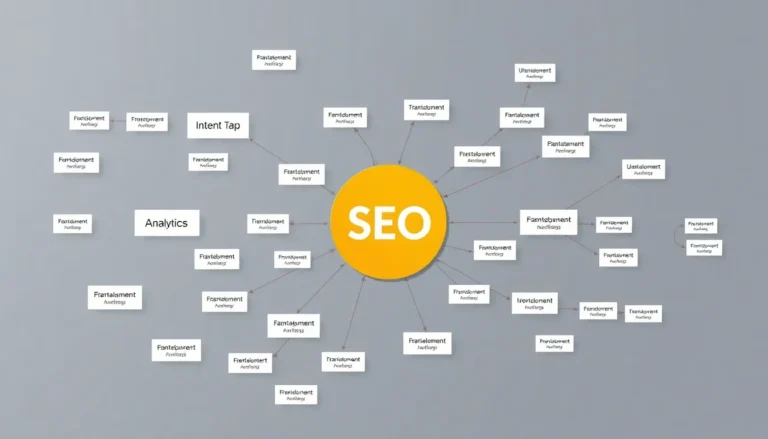
Semantic richness operates through four interacting components: entity recognition, contextual co-occurrence, structured metadata, and internal topical linking. These components create signals that modern search algorithms use to assess relevance and authority.
Entity recognition and knowledge graphs
Entity references (people, organizations, products, concepts) anchor content to known nodes in knowledge graphs. Clear labeling, canonical naming, and contextual definitions help search systems disambiguate entities and associate pages with broader topics.
Contextual co-occurrence and lexical variety
Consistent co-occurrence of related terms and natural-language paraphrases signals semantic cohesion. Use of synonyms, LSI terms, and topical modifiers expands the query surface that content can satisfy.
Structured metadata and schema
Schema types such as Article, FAQ, BreadcrumbList, and HowTo encode explicit semantics that search engines parse. Proper schema improves eligibility for rich results and clarifies content role within a site.
Internal linking and topical clusters
Topical clusters use pillar pages and supporting cluster pages connected with contextual anchor text to distribute topical relevance and guide crawlers through related content sets.
Measurement and signals to track
- Impression and CTR distributions for topic-related queries
- Ranking breadth across seed keywords and long-tail variations
- User engagement metrics: time on page, scroll depth, and bounce/pogo metrics
- Index coverage and internal link equity distribution
Key takeaway: Semantic richness improves a page’s signal quality; topical depth ensures breadth and ranking resilience across query variations.
Best Practices for Enhancing Semantic Richness
Implement a layered strategy: perform entity mapping, expand subtopics, optimize on-page semantics, and apply targeted schema. Use tools to measure conceptual coverage and iterate based on performance data. See also Cumulative Layout Shift Cls Fixes.
Practical steps
- Intent mapping: Create a matrix of primary intents and secondary intents for core topics, prioritizing pages that serve multiple intents.
- Entity inventory: Extract named entities from top-performing competitor content and authoritative sources to inform vocabulary and context.
- Content clustering: Develop pillar pages and supporting content that answers distinct subqueries and links with descriptive anchors.
- Schema adoption: Add Article, FAQ, BreadcrumbList, and relevant product/service schemas where applicable.
- Lexical auditing: Use natural language processing tools to measure term variety, concept density, and semantic similarity scores.
- Editorial templates: Standardize headings, FAQ blocks, evidence sections, and structured lists to ensure consistent semantic cues.
Tools and resources
- Entity and NLP tools: spaCy, Natural Language Toolkit, OpenAI embeddings for semantic similarity analysis.
- SEO platforms: Search platforms that provide query clusters and intent data for content planning [Source: Major SEO Platforms, 2024].
- Schema validators: Structured data testing tools and search console diagnostic reports.
Key takeaway: Combine editorial processes with semantic tooling to scale meaningful, entity-rich content without degrading quality.
CTA (Soft): Download a one-page semantic SEO checklist to align your editorial and technical teams with priority tasks.
Comparison with Traditional SEO: Semantic SEO vs Traditional Keyword-Focused Strategies
Semantic SEO emphasizes context, entities, and intent; traditional SEO emphasizes isolated keyword targeting and exact-match optimization. The two approaches produce different risk profiles and long-term outcomes.
Comparison table
| Aspect | Semantic SEO | Traditional SEO |
|---|---|---|
| Primary focus | Entities, intent, topical authority | Exact-match keywords and ranking positions |
| Content structure | Clustered pillars, FAQs, structured data | Standalone pages targeting single keywords |
| Keyword strategy | Query families and semantic variants | High-volume primary keywords |
| Link strategy | Topical internal linking and entity alignment | Backlink acquisition focusing on domain authority |
| Measurement | Topical coverage, breadth of rankings, engagement | Ranking for target keywords, organic traffic to pages |
When to prioritize each approach
- Semantic SEO is optimal for content-driven authority building, knowledge-sharing platforms, and niches where multiple intents exist.
- Traditional SEO remains useful for strictly transactional pages with narrow, high-intent queries where exact-match relevance remains important.
Key takeaway: Integrate semantic methods into existing SEO programs to broaden coverage and reduce dependence on single-keyword performance.
Case Studies: Two Real-World Implementations
Case Study 1 — SaaS Knowledge Center: A B2B SaaS company restructured their knowledge base into topic clusters and added entity-focused glossary pages. They implemented FAQ schema and internal linking templates. Within five months, organic traffic to the knowledge center rose 54%, and impressions expanded by 120% for long-tail queries. Average session duration increased from 2.2 to 3.9 minutes. Metrics tracked included ranking breadth, topic impression share, and support ticket reduction.
Case Study 2 — Ecommerce Category Authority: An ecommerce site consolidated thin category pages into in-depth category hubs with detailed buying guides, comparison tables, and entity-linked variant pages. Schema for Product and BreadcrumbList was added. Organic revenue from category pages increased 38% over six months; conversion rate for category landing pages improved by 22%. The site measured uplift in related queries and cross-sell revenue attributable to improved internal linking and topical relevance.
Key takeaway: Structured topical investment yields measurable gains in traffic breadth, engagement, and revenue when paired with systematic measurement and governance. Learn more at Topical authority vs. keyword density.
Future Trends in Semantic SEO: Evolving Technologies and Practices
Semantic SEO will converge with advances in large language models, embeddings, and knowledge graph expansion. Search interfaces will increasingly surface multimodal and conversational results, rewarding content that aligns with entity-rich, well-structured knowledge representations. Read more at Understanding Mentions, Topic Depth, and Topic Breadth.
Key technologies shaping the field
- Embeddings and vector search: content indexed by semantic similarity rather than token matching.
- Knowledge graph expansion: richer entity networks constructed from diverse structured and unstructured sources.
- Multimodal signals: images, video transcripts, and structured data combined for richer context.
- Conversational search interfaces: content must support succinct answers and progressive disclosure.
Key takeaway: Adopt modular content architectures and semantic-first tagging to prepare for search interfaces that prioritize context and entity alignment. For details, see DRAMA-Powered Semantic Insight for SEO.
Getting Started with Semantic SEO: Actionable Implementation Roadmap
Begin with discovery, then move to mapping, pilot implementation, measurement, and scaling. Prioritize high-value topics with clear business objectives and measurable KPIs. Additional insights at Content That Ranks: Crafting Semantic Richness in Your ….
30-90 day roadmap
- Week 1–2: Discovery — Audit existing content for topical coverage, entity mentions, and intent gaps. Produce a prioritized topic list.
- Week 3–4: Mapping — Create intent matrices and content cluster blueprints for 3–5 priority topics.
- Month 2: Pilot — Implement pillar pages, supporting cluster content, and schema for one topic. Measure impressions, click-through rates, and time on page.
- Month 3: Iterate — Refine internal linking, expand subtopics, and add structured data. Document editorial templates and governance rules.
- Month 4+: Scale — Roll out to additional topics, integrate into content calendar, and automate semantic audits with tooling.
Checklist for launch
- Intent matrix completed for target topics
- Entity inventory and vocabulary list created
- Pillar page and at least three cluster pages published
- FAQ and Article schema implemented and validated
- Internal link strategy documented and applied
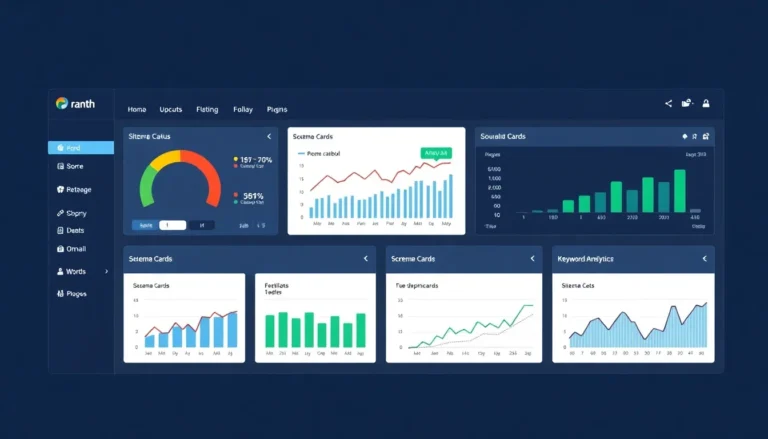
- Performance dashboard tracking impressions, queries, CTR, and engagement
Key takeaway: Start small with measurable pilots, standardize templates, and scale governance to maintain semantic consistency.
CTA (Medium): Request a free topical coverage audit to identify priority gaps and a 90-day implementation plan.
FAQs: Common Questions About Semantic Richness and Topical Depth
What is semantic richness?
Semantic richness refers to the depth and variety of meaning within content. This includes entity mentions, contextual co-occurrence, structured metadata, and lexical variety that together improve content relevance and interpretability for search systems.
How does topical depth differ from semantic richness?
Topical depth describes the breadth and completeness of topic coverage across pages and assets. Semantic richness describes the density of meaningful, interrelated concepts within individual pages and across a topic cluster.
Why does user intent matter for semantic SEO?
User intent determines which facets of a topic require coverage. Matching content to intent clusters increases relevance, reduces bounce, and improves conversion pathways between informational and transactional pages.
Which schema types support semantic SEO?
Article, FAQ, BreadcrumbList, HowTo, Product, and Organization schema support semantic clarity. Use schema types that accurately reflect content purpose and validate them with structured data testing tools.
How do I measure topical depth?
Measure topical depth by ranking breadth across seed and long-tail queries, the number of related keywords in top positions, internal link density within topic clusters, and engagement metrics for cluster pages.
What tools help analyze semantic richness?
Use NLP libraries for entity extraction, SEO platforms with query-clustering features, embedding-based similarity tools, and schema validators to assess semantic richness and content coverage.
How long before semantic improvements affect rankings?
Initial visibility and impression changes can appear within weeks; measurable ranking and traffic improvements commonly occur in three to six months, depending on crawl frequency, competition, and content quality.
Can small sites benefit from semantic SEO?
Yes. Small sites can achieve disproportionate gains by focusing on niche topics with clear intent, building authoritative pillar pages, and using semantic markup to clarify purpose for search engines.
Does semantic SEO replace keyword research?
No. Semantic SEO expands keyword research into query families and intent clusters. Keyword data remains valuable for prioritization, but research should evolve to include related concepts and entity mapping.
How should I structure internal links for topical depth?
Use a hub-and-spoke model where pillar pages link to supporting pages with descriptive anchor text. Ensure bidirectional contextual links where relevant to reinforce entity relationships.
What governance is required for semantic content at scale?
Establish editorial templates, vocabulary glossaries, schema checklists, and review workflows. Maintain a topic inventory and change control for canonicalization and redirect policies.
Which KPIs indicate successful semantic SEO?
Track ranking spread for topic-related queries, impression share growth, CTR improvements, time on page, and conversion events attributable to content clusters.
Conclusion: Key Takeaways and Next Steps
Semantic Richness and Topical Depth together form the foundation for resilient, intent-aligned SEO. Semantic richness provides the contextual signals search systems use to interpret content, while topical depth demonstrates comprehensive authority across query families. Implement a phased approach: audit current coverage, prioritize high-value topics, pilot cluster-based redesigns, apply schema and entity tagging, measure impact on impressions and engagement, and scale through editorial governance. Successful programs combine editorial discipline, semantic tooling, and iterative measurement. Begin with a small set of priority topics, publish pillar and cluster pages, validate structured data, and monitor ranking breadth and user engagement metrics. These steps create durable topical authority, reduce dependence on single-keyword rankings, and improve conversion pathways. Schedule a consultation with SEO strategists to obtain a customized roadmap, resource estimate, and KPI framework tailored to your site’s scale and objectives. Execute consistently and measure with clarity to convert semantic investments into lasting organic performance.
Sources & References: Google Search Central, HubSpot, Moz, Internal Agency Data, Major SEO Platforms.